A month-by-month fruit tree care calendar for beginners
Mango, guava, lemon and other home fruit trees need different care through the year. This calendar shows what to do and when, from flowering to harvest.
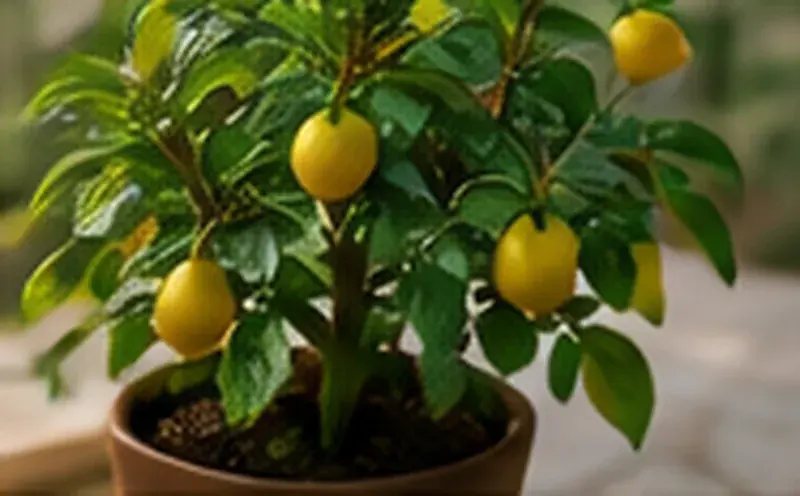
Fruit trees reward patience. Get the timing right on watering, feeding and pruning, and a single mango, guava or lemon tree can supply your household for decades. This calendar is written for tropical and subtropical climates such as most of South Asia. In cooler regions, shift each task by a month or two.
January–February: flowering season
- Mango: flower panicles appear. Hold back water for a few weeks before and during early flowering; too much water now encourages leaves instead of flowers.
- Check for mango hoppers and powdery mildew on new flowers. Spray neem oil at the first sign.
- Guava: harvest the sweet winter crop. Bag young fruit in paper bags to keep fruit flies away.
- Lemon: a light feed with a citrus fertilizer containing micronutrients.
March–April: fruit set
- Water regularly once fruit has set. Mango and lemon fruit drop badly if the soil dries out repeatedly.
- Mulch around the base, keeping it 10 cm from the trunk, to hold moisture as temperatures rise.
- Thin fruit on young trees and heavy-cropping guavas so the remaining fruit grows larger.
- Feed young trees with compost and a balanced fertilizer.
May–June: summer harvest and heat
- Harvest mangoes when the shoulders fill out and the skin near the stalk changes colour.
- Water deeply two or three times a week, especially potted trees, which may need daily water.
- Shade young trees planted in the last year with a 50% shade net during the hottest weeks.
- At the start of the monsoon, plant new fruit trees; the rains help them establish.
July–September: monsoon
- Check drainage. Water pooling around the trunk causes root and collar rot. Raise potted trees on stands.
- Feed after harvest: give mature mango trees 10–20 kg of well-rotted manure or compost plus a fertilizer with more potassium than nitrogen.
- Prune mango and guava after harvest. Remove dead, crossing and inward-growing branches to keep an open canopy.
- Air layer guava, lemon and other fruit trees while the humidity is high; roots form quickly.
- Watch for scale insects, mealybugs and sooty mould, which thrive in humid weather.
October–December: preparing for the next crop
- Guava: the main winter crop develops. Continue regular watering and feeding.
- Lemon: a strong flush of flowers and fruit. Feed every four to six weeks.
- Mango: from November, start reducing water gradually to encourage flowering in the new year.
- Remove weeds and grass from under the canopy, and refresh the mulch.
All year round
- Inspect trees every week for pests on new shoots and under leaves.
- Keep a garden notebook of flowering and harvest dates; it helps you fine-tune care for your own tree.
- Do not overfeed young trees. Little and often is better than one heavy dose.
- Remove flowers in the first two years on young grafted mango trees so they build a strong framework before fruiting.
Fruit trees in containers
Dwarf mango, lemon, guava, pomegranate and fig all grow well in large containers of at least 60 cm across. Use a free-draining mix of soil, compost and coarse sand, feed more often than trees in the ground, and repot or root-prune every two or three years.
Every tree is a long-term project, and it is normal for a young tree to take a few seasons to settle. Follow the rhythm of the year, and it will repay you with harvests for a lifetime.
Related Topics

Marco Bianchi
VerifiedFrom overgrown to organized, one visit at a time.
Comments & Discussion (0)
Share your tips, experiences, or ask questions about this guide.
Loading comments...