How to overwinter tender plants: citrus, fuchsias, agapanthus and more
Don't let the first frost take your favorite tender plants. Here is how to bring them through winter indoors, in a greenhouse or outside with the right protection.

Many of the plants that make summer gardens so colorful come from warm climates and cannot survive frost. Rather than buying new plants every spring, you can keep most of them alive through winter. It saves money, and older plants flower bigger and earlier each year.
Know your plants: tender or half-hardy?
- Tender plants are damaged by any frost and need a minimum of about 5–10 °C (41–50 °F). Examples include citrus, most succulents such as aeoniums, and tropical houseplants that summered outdoors.
- Half-hardy plants survive light frosts but not long, hard freezes, especially in wet soil. Examples include many fuchsias, agapanthus, calla lilies and red hot pokers.
Your climate makes a big difference. In USDA zones 8–10 and sheltered parts of southern England, many half-hardy plants survive outside with a good mulch. In colder areas, bring them under cover.
Option 1: bring them indoors
Best for citrus, aeoniums, pelargoniums and other plants that keep their leaves.
- Move them before the first frost, when nights start dropping below about 7 °C (45 °F).
- Check for pests first. Inspect leaf undersides and stems for aphids, mealybugs and scale, and hose plants down before bringing them in.
- Give them the brightest, coolest spot you have. A cool, bright room, porch or conservatory at 10–15 °C (50–60 °F) is ideal. Warm, dark rooms make plants weak and leggy.
- Water sparingly. Growth slows in winter, so let the top of the compost dry out between waterings. Overwatering is the most common way to lose plants indoors.
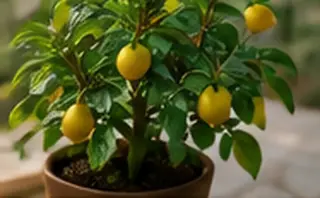
A lemon tree needs as much light as possible and may drop some leaves when moved inside. Keep it away from radiators and heating vents, and mist or stand it on a tray of damp pebbles to raise humidity.
Option 2: a cool greenhouse or garage
Fuchsias, agapanthus and many half-hardy shrubs can rest in a frost-free greenhouse, shed or garage.
- Cut fuchsias back by about a third and keep the compost barely moist. They may drop their leaves, which is normal.
- Keep evergreen agapanthus in their pots, in good light, and water only occasionally.
- On cold nights, a layer of horticultural fleece (row cover) over plants adds a few extra degrees.
- Open vents or doors on mild, sunny days to prevent mould.
Option 3: protect them outside
In mild areas, many plants come through winter in the ground with some help.
- Mulch the crowns of agapanthus, red hot pokers and calla lilies with 10 cm (4 in) of dry straw, bark or leaves.
- Wrap pots in burlap or bubble wrap and raise them onto pot feet so they drain freely. Wet, cold roots kill more plants than cold air.
- Cover small plants with fleece or a cloche during freezing spells.
- Keep evergreen bay trees sheltered from cold, drying winds, and move pots against a house wall.
Option 4: store them dormant
Dahlias, cannas, gladiolus and tuberous begonias can be dug up after frost blackens their leaves, dried and stored in a frost-free place in boxes of dry compost or paper. Check them monthly and remove any that rot.
Waking them up in spring
From late winter, increase watering gradually and start feeding as new growth appears. Harden plants off over 7–10 days before moving them back outside after your last frost date. Find your frost dates in our free Vegetable Planting Calendar, and see what else to do this month in the seasonal gardening calendar.
Related Topics

Marco Bianchi
VerifiedFrom overgrown to organized, one visit at a time.
Comments & Discussion (0)
Share your tips, experiences, or ask questions about this guide.
Loading comments...