Arborvitae
Thuja occidentalis and Thuja 'Green Giant'
Arborvitae is a dense, upright evergreen conifer used for privacy screens across the US. Narrow forms such as 'Emerald' suit small gardens, and 'Green Giant' grows quickly into a tall screen.
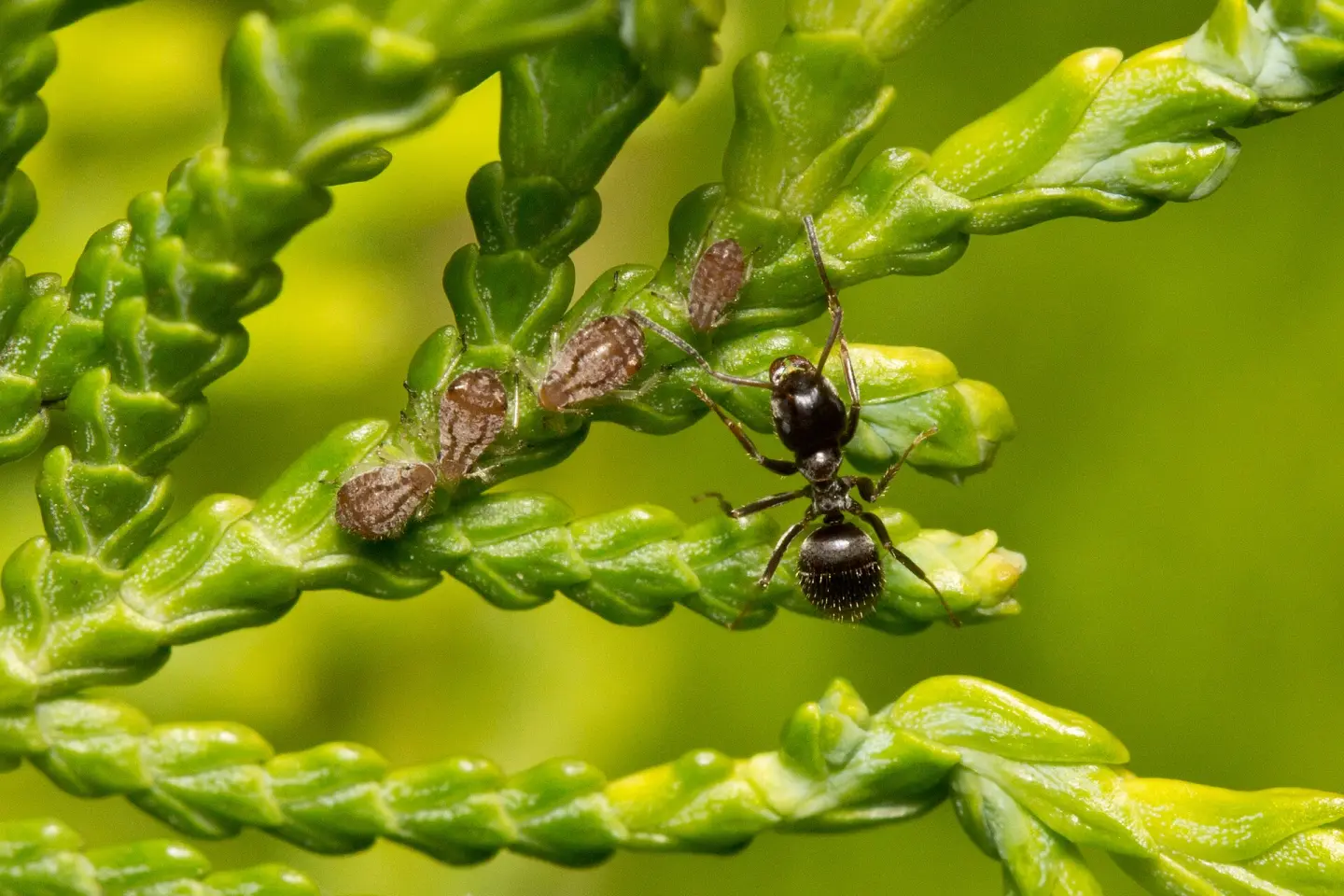
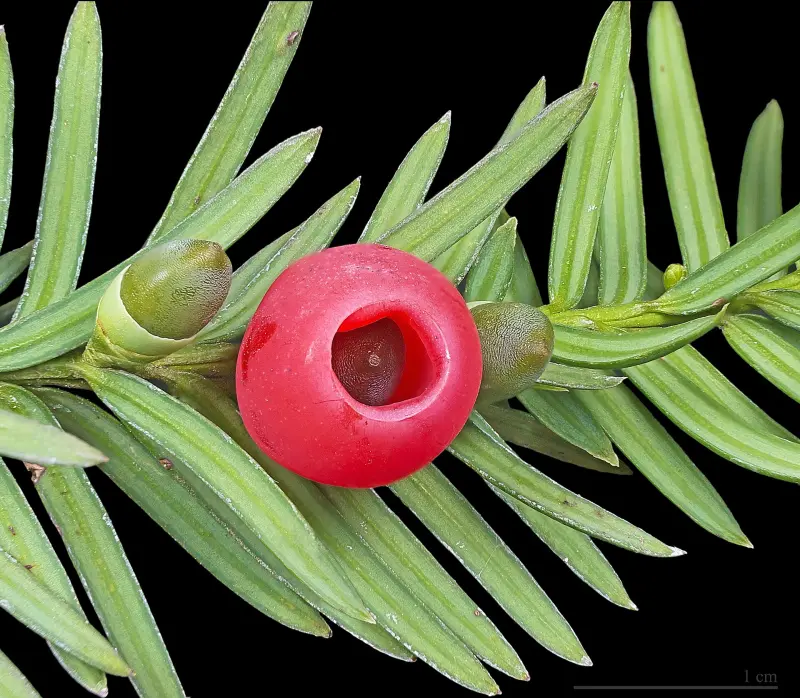
Photo: Carlos Delgado · CC BY-SA 3.0, via Wikimedia Commons
Essential Care Requirements
Light
Full sun, Partial sun
Watering
Moderate
Water deeply in the first two years and during drought.
Soil
Moist, well-drained soil; pH 6.0–8.0.
Temperature and humidity
-35–35 °C · Moderate humidity
Feeding
Feed in spring with a slow-release fertilizer.
Pruning and propagation
Propagate by stem cuttings
Trim lightly in late spring; do not cut into bare, brown wood, which will not regrow.
The foliage contains oils that can cause stomach upset in pets if eaten.
Top Cultivation Tips
Plant 1–1.5 m apart for a screen.
Deer browse T. occidentalis; 'Green Giant' is more resistant.
Shake heavy snow off branches.
Hardy in USDA zones 3–8.
Common problems
Bagworms
Caterpillars that live inside spindle-shaped silk bags covered with bits of leaf and strip evergreens and other shrubs of their foliage.
How to treat it →PestCaterpillars
The larvae of moths and butterflies, which chew holes in leaves, flowers and fruit and can strip a plant in days.
How to treat it →PestDeer and rabbit damage
Deer and rabbits browse leaves, buds and bark, causing ragged stems, missing shoots and girdled trunks.
How to treat it →DiseaseRoot rot
Roots decay in waterlogged soil, so the plant wilts and yellows even though the soil is wet.
How to treat it →PestSpider mites
Tiny sap-sucking mites that thrive in hot, dry conditions, causing speckled, dull leaves and fine webbing.
How to treat it →