Neem Tree
Azadirachta indica
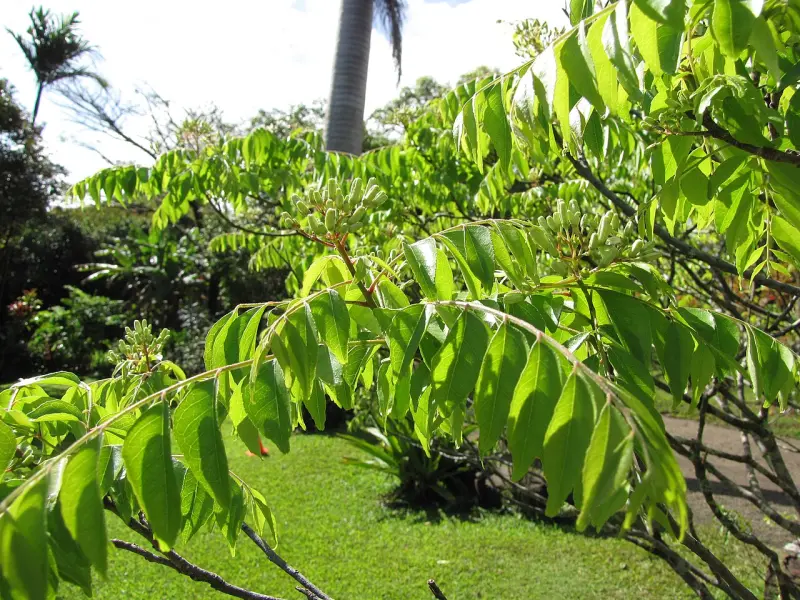
Neem is a fast-growing, drought-tolerant shade tree with feathery leaves and small, honey-scented white flowers. It is valued in gardens for its shade and for neem oil and leaf extracts, which are widely used in organic pest control.
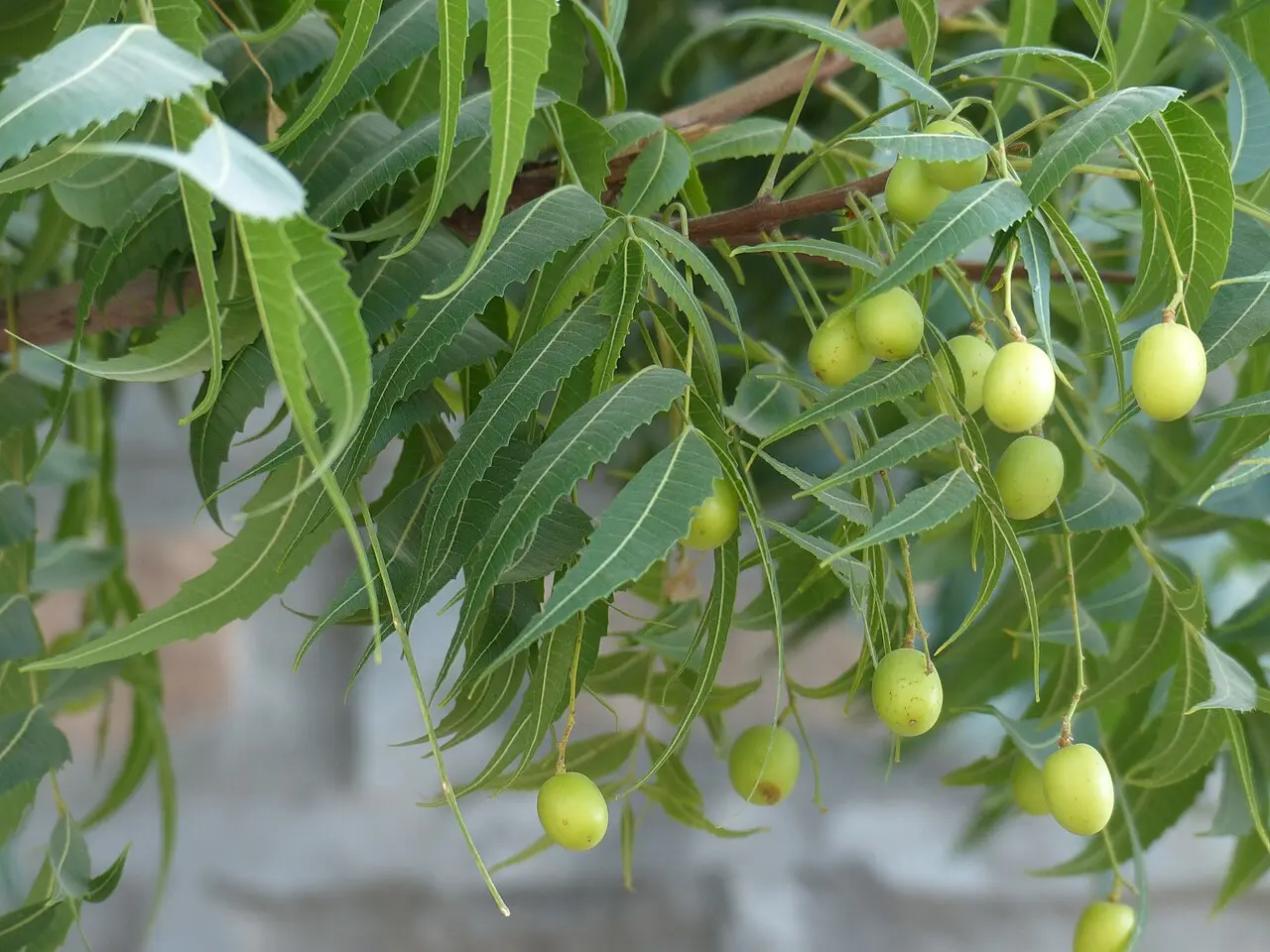
Photo: Dinesh Valke · CC BY-SA 2.0, via Wikimedia Commons
Essential Care Requirements
Light
Full sun
Watering
Low
Water young trees weekly through their first dry season. Once established, neem survives on rainfall in most tropical and subtropical areas and suffers more from waterlogging than from drought.
Soil
Grows in most well-drained soils, including poor, sandy and rocky ground, with a pH of 6.2–7.0. It does not tolerate waterlogged clay.
Temperature and humidity
5–48 °C · Low humidity
Feeding
Rarely needs feeding. A few kilograms of compost around young trees at the start of the monsoon helps them establish.
Pruning and propagation
Propagate by seed, stem cuttings
Remove low branches as the tree grows to lift the canopy, and cut out dead or damaged wood after the monsoon. It responds well to pruning and can be kept smaller in a large garden.
Neem oil and concentrated extracts are harmful if swallowed, especially by children and pets. Use neem sprays as directed and store them out of reach.
Top Cultivation Tips
Plant at least 5 m from buildings and drains: roots spread widely.
Sow fresh seed within a few weeks of collecting it; it loses viability quickly.
Fallen leaves make good mulch for other plants.
Use neem oil from your own supplier for sprays rather than raw leaves.