Boxwood
Buxus sempervirens
Boxwood is a slow-growing evergreen shrub with small, glossy leaves, the classic plant for low hedges, knot gardens and topiary shapes.
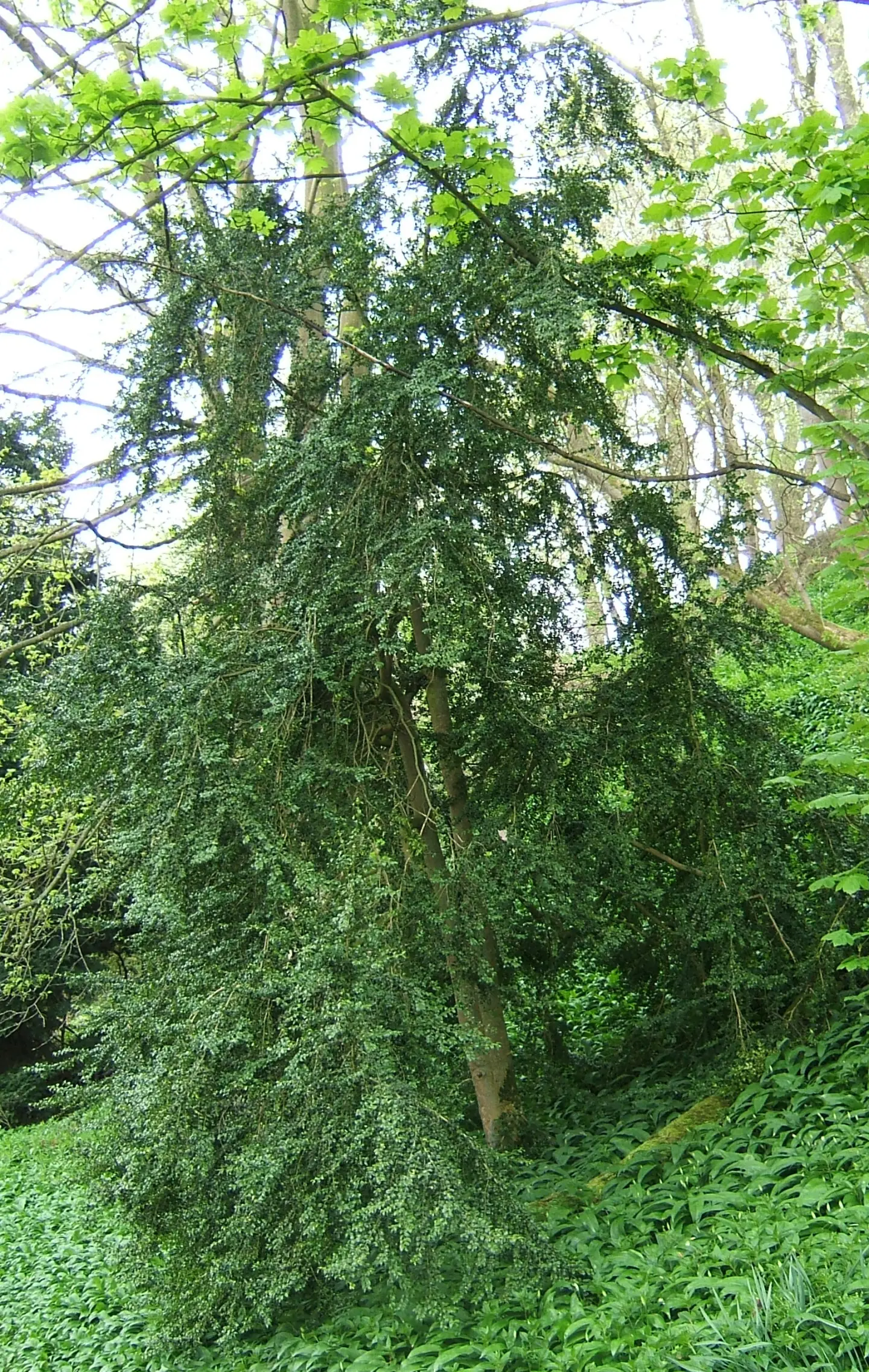
Photo: MPF · CC BY 2.5, via Wikimedia Commons
Essential Care Requirements
Light
Full sun, Partial sun
Watering
Moderate
Water in dry spells; keep pot-grown plants evenly moist.
Soil
Well-drained soil; pH 6.5–7.5.
Temperature and humidity
-25–35 °C · Moderate humidity
Feeding
Feed in spring with a balanced fertilizer.
Pruning and propagation
Propagate by stem cuttings
Clip once or twice a year, in early summer and late summer, on a cloudy day.
All parts are toxic if eaten, causing vomiting and diarrhoea.
Top Cultivation Tips
Clean clippers between plants to limit box blight.
Japanese holly and dwarf yaupon are alternatives where blight is common.
Feed after clipping.
Do not clip in hot sun.
Common problems
Box blight
A fungal disease that causes boxwood leaves to develop dark spots, turn brown and fall, leaving bare stems with black streaks.
How to treat it →PestBox tree moth
Green-and-black caterpillars that strip boxwood hedges and topiary, leaving webbing and bare, brown patches. A major pest in the UK and Europe, now spreading in North America.
How to treat it →PestCaterpillars
The larvae of moths and butterflies, which chew holes in leaves, flowers and fruit and can strip a plant in days.
How to treat it →DiseaseLeaf scorch
Brown, dry, crisp edges and patches on leaves, usually caused by too little water reaching the leaves in hot, windy or dry weather.
How to treat it →DiseaseLeaf spot
Fungal or bacterial infections that cause brown, black or purple spots on leaves, often with a yellow halo, leading to early leaf drop.
How to treat it →PestSpider mites
Tiny sap-sucking mites that thrive in hot, dry conditions, causing speckled, dull leaves and fine webbing.
How to treat it →