Lemon Tree
Citrus limon
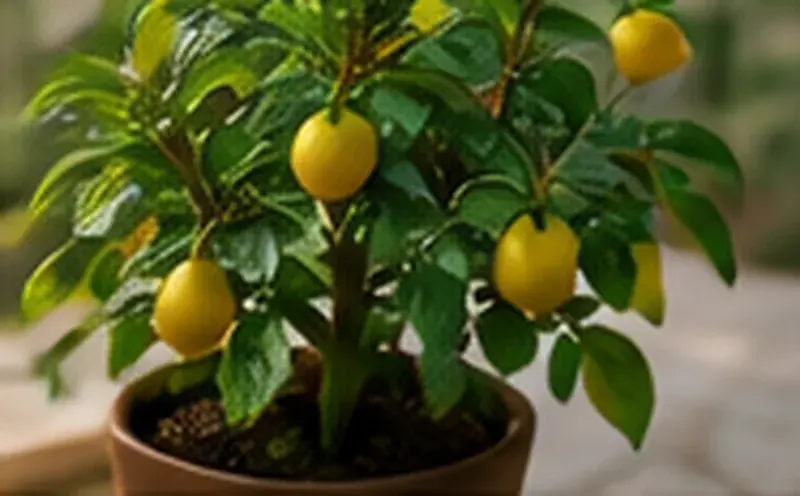
The lemon is a small, thorny evergreen tree with fragrant white flowers and sour, juicy fruit. Compact varieties fruit well in containers, often flowering and fruiting at the same time, which makes them one of the most rewarding trees for a balcony or terrace.
Essential Care Requirements
Light
Full sun
Watering
Moderate
Water thoroughly when the top 3–5 cm of soil is dry, then let the excess drain. Citrus dislikes both drought and wet feet; yellowing leaves and dropping fruit often point to irregular watering.
Soil
Light, well-drained, slightly acidic soil (pH 5.5–6.5). In pots, use a gritty mix of soil, compost and coarse sand or perlite.
Temperature and humidity
5–40 °C · Moderate humidity
Feeding
Feed every 4–6 weeks in spring and summer with a citrus or balanced fertilizer containing magnesium, iron and zinc. Pale leaves with green veins indicate a micronutrient shortage.
Pruning and propagation
Propagate by air layering, grafting, seed
Remove water shoots (fast, vertical shoots from the base) and dead or crossing branches after the main harvest. Keep the centre open for light and airflow.
The fruit is safe for people. Leaves, peel and essential oils can upset the stomach of cats and dogs if chewed.
Top Cultivation Tips
At least six hours of direct sun keeps it fruiting.
Repot every two to three years into a slightly larger pot.
Check new leaves for leaf miners and aphids.
Hand-pollinate indoor plants with a soft brush.
Common problems
Ants on plants
Ants rarely damage plants themselves, but they protect sap-sucking pests for their honeydew and may nest in pots, drying out the roots.
How to treat it →PestAphids
Small, soft-bodied insects that cluster on new shoots and buds, sucking sap and leaving sticky honeydew behind.
How to treat it →DiseaseBacterial leaf spot
Small, dark, water-soaked spots on leaves and fruit caused by bacteria that spread rapidly in warm, wet weather.
How to treat it →PestCaterpillars
The larvae of moths and butterflies, which chew holes in leaves, flowers and fruit and can strip a plant in days.
How to treat it →DiseaseCitrus canker
A bacterial disease of lemon and lime that causes raised, corky spots with yellow halos on leaves, twigs and fruit.
How to treat it →DiseaseCitrus greening
A serious bacterial disease of citrus spread by the Asian citrus psyllid that causes blotchy yellow leaves and small, bitter, misshapen fruit.
How to treat it →PestCitrus psyllid
Tiny sap-sucking insects on new citrus shoots that cause curled leaves and can spread greening, a serious incurable disease.
How to treat it →DiseaseCollar rot
A soil-borne fungal rot at the base of the stem, where it meets the soil, that causes plants to wilt and collapse.
How to treat it →DiseaseFrost damage
Injury caused when ice forms inside plant tissue, turning leaves, flowers and shoots black, limp or papery after a cold night.
How to treat it →DiseaseFruit cracking
Ripening fruit splits open, usually after a sudden heavy watering or rain following a dry spell.
How to treat it →DiseaseGummosis
A symptom in citrus, mango and stone fruit trees where sticky gum oozes from the bark, usually in response to disease, pests, wounds or stress.
How to treat it →DiseaseIron chlorosis
Young leaves turn yellow while the veins stay green, usually because alkaline soil stops the plant taking up iron.
How to treat it →PestLeaf miners
Larvae of small flies and moths that tunnel inside leaves, leaving pale, winding trails.
How to treat it →DiseaseMagnesium deficiency
Older leaves turn yellow between the veins while the veins stay green, often with reddish or purple tints.
How to treat it →PestScale insects
Immobile, shell-covered insects that cling to stems and leaves, draining sap and weakening trees and houseplants.
How to treat it →DiseaseSooty mould
A black, powdery fungal coating that grows on the sticky honeydew left by sap-sucking insects, blocking light from leaves.
How to treat it →DiseaseTransplant shock
Wilting, leaf drop and stalled growth after a plant is moved or repotted, while the roots recover and re-establish.
How to treat it →DiseaseWaterlogging
Soil so full of water that roots run short of oxygen, which causes yellow leaves, wilting and root rot.
How to treat it →PestWhiteflies
Small white flying insects that gather under leaves, sucking sap, spreading viruses and leaving sticky honeydew.
How to treat it →DiseaseYellow leaves
A common sign of a problem rather than a disease in itself, where leaves lose their green colour because of watering, light, nutrient or root problems.
How to treat it →DiseaseZinc deficiency
A trace-element shortage that causes small, narrow, yellowing leaves bunched on short shoots, most often on alkaline or sandy soils.
How to treat it →