Asparagus
Asparagus officinalis
Asparagus is a long-lived perennial vegetable grown for its tender spring spears. A bed takes two to three years to establish but then crops for 15 years or more, so it suits a permanent raised bed in cooler regions.
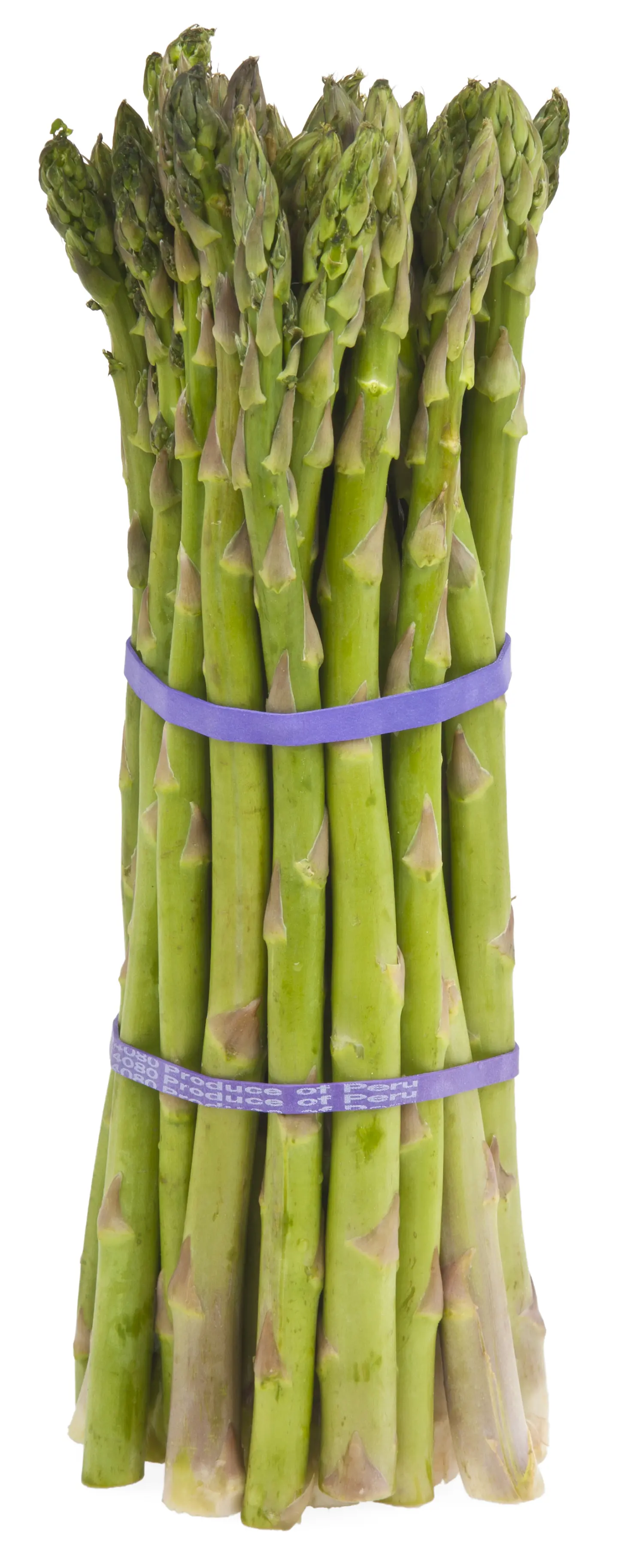
Photo: Evan-Amos · CC BY-SA 3.0, via Wikimedia Commons
Essential Care Requirements
Light
Full sun
Watering
Moderate
Water regularly in the first two years and during dry spells; avoid waterlogging.
Soil
Deep, sandy, well-drained soil rich in compost; pH 6.5–7.5.
Temperature and humidity
-10–32 °C · Moderate humidity
Feeding
Top-dress with compost each spring and after the harvest period.
Pruning and propagation
Propagate by division, seed
Leave the ferny growth to feed the crowns after harvest, and cut it down when it turns yellow.
The spears are safe to eat. The red berries on female plants are toxic to people and pets.
Top Cultivation Tips
Plant one-year-old crowns rather than seed.
Do not harvest in the first two years.
Cut spears at soil level when 15–20 cm tall.
Weed carefully; roots are shallow.
Common problems
Asparagus beetle
A small metallic blue-black beetle with yellow marks whose adults and grey grubs chew asparagus spears and ferns.
How to treat it →PestCaterpillars
The larvae of moths and butterflies, which chew holes in leaves, flowers and fruit and can strip a plant in days.
How to treat it →DiseaseFusarium wilt
A soil-borne fungus that blocks the water-conducting tissue, making plants yellow and wilt from one side.
How to treat it →DiseaseRust
A fungal disease that forms orange, brown or yellow powdery pustules, mainly on leaf undersides.
How to treat it →