Tomato
Solanum lycopersicum
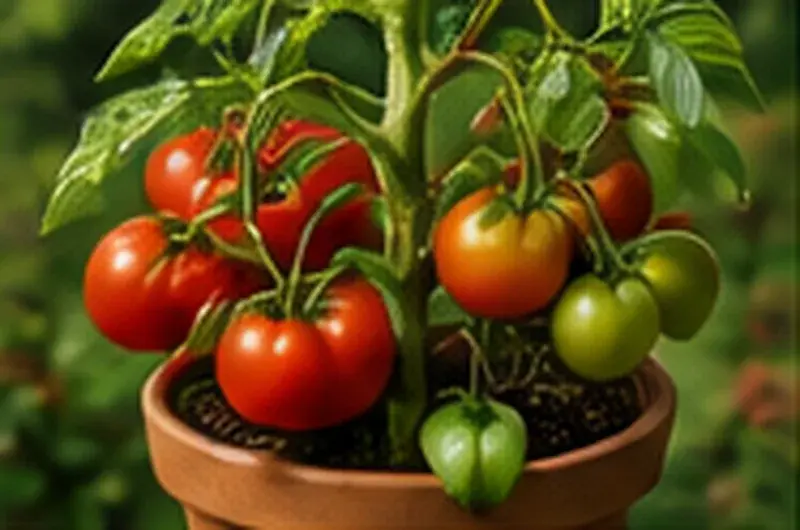
Tomatoes are among the most popular plants for home vegetable gardens and grow well in containers on a sunny balcony. Cherry tomatoes are the easiest and most productive in pots, while larger types need stronger supports and more feeding.
Essential Care Requirements
Light
Full sun
Watering
High
Water deeply and regularly so the soil stays evenly moist; potted plants may need water every day in warm weather. Irregular watering causes split fruit and blossom end rot.
Soil
Rich, well-drained soil with plenty of compost, pH 6.0–6.8. Use containers of at least 20 litres per plant.
Temperature and humidity
12–32 °C · Moderate humidity
Feeding
Mix compost into the soil at planting. Once flowers appear, feed every one to two weeks with a potassium-rich (tomato) fertilizer.
Pruning and propagation
Propagate by seed, stem cuttings
For tall (indeterminate) varieties, pinch out side shoots that grow between the main stem and leaves, and tie the stem to a stake. Bush types need little pruning.
Ripe fruit is safe. The leaves, stems and unripe green fruit contain solanine and can upset the stomach of pets.
Top Cultivation Tips
Sow in October–November in tropical climates for the best crop.
Mulch to keep soil moisture even.
Gently shake flowering plants to help pollination on balconies.
Pick fruit as soon as it colours to protect it from birds.
Common problems
Bacterial leaf spot
Small, dark, water-soaked spots on leaves and fruit caused by bacteria that spread rapidly in warm, wet weather.
How to treat it →DiseaseBacterial wilt
A soil-borne bacterial disease that causes sudden wilting of green plants, especially tomato, brinjal and chilli.
How to treat it →PestBlister beetles
Long, narrow, soft-bodied beetles that swarm over leaves and flowers, and release a chemical that causes painful blisters on skin.
How to treat it →DiseaseBlossom end rot
A dark, sunken patch at the base of tomatoes, chillies and other fruit, caused by a shortage of calcium in the developing fruit.
How to treat it →PestBroad mites
Microscopic mites that cause twisted, hardened, bronzed leaves and stunted growth on peppers, aubergines and many ornamentals.
How to treat it →DiseaseBud drop
Flower buds yellow and fall before opening, usually because the plant has been stressed by changes in water, light or temperature.
How to treat it →PestCabbage looper
A pale green caterpillar that arches its back as it walks and chews ragged holes in cabbage-family and other leafy plants.
How to treat it →DiseaseCalcium deficiency
A shortage of calcium reaching new growth and fruit, causing distorted young leaves, brown leaf tips on lettuce and cabbage, and sunken spots on fruit.
How to treat it →PestCaterpillars
The larvae of moths and butterflies, which chew holes in leaves, flowers and fruit and can strip a plant in days.
How to treat it →DiseaseCollar rot
A soil-borne fungal rot at the base of the stem, where it meets the soil, that causes plants to wilt and collapse.
How to treat it →PestColorado potato beetle
Yellow-and-black striped beetles and their reddish larvae that strip the leaves of potatoes, aubergines and tomatoes.
How to treat it →PestCorn earworm
A caterpillar that feeds on the tips of corn cobs and bores into tomato, pepper, chickpea and pigeon pea fruit and pods.
How to treat it →DiseaseCucumber mosaic virus
An aphid-spread virus that causes mottled, puckered leaves and stunted plants in cucumbers, melons, squash and many other plants.
How to treat it →DiseaseCurly top virus
A leafhopper-spread virus that makes leaves roll, thicken and turn yellow, and stunts beet, tomato, pepper and bean plants.
How to treat it →PestCutworms
Fat, greyish caterpillars that hide in the soil by day and chew through young seedlings at ground level at night.
How to treat it →DiseaseDamping off
Soil-borne fungi that rot seeds and young seedlings at soil level, causing them to collapse suddenly.
How to treat it →DiseaseEarly blight
A fungal disease of tomatoes and potatoes that causes brown spots with target-like rings on the lower leaves.
How to treat it →PestFall armyworm
A fast-spreading caterpillar that eats maize leaves and shoots, and also attacks many vegetables, leaving ragged holes and sawdust-like droppings.
How to treat it →DiseaseFrost damage
Injury caused when ice forms inside plant tissue, turning leaves, flowers and shoots black, limp or papery after a cold night.
How to treat it →PestFruit and shoot borer
Caterpillars of a small moth that bore into tender shoots and fruit, causing wilted tips and wormy fruit.
How to treat it →DiseaseFruit cracking
Ripening fruit splits open, usually after a sudden heavy watering or rain following a dry spell.
How to treat it →DiseaseFusarium wilt
A soil-borne fungus that blocks the water-conducting tissue, making plants yellow and wilt from one side.
How to treat it →DiseaseHeat stress
Damage caused when plants cannot cool themselves or take up water fast enough in very hot weather, leading to wilting, scorch and poor flowering.
How to treat it →DiseaseLate blight
A fast-spreading disease of tomatoes and potatoes that causes dark, greasy patches on leaves and fruit and can kill plants within days.
How to treat it →DiseaseLeaf curl virus
A whitefly-spread virus that makes leaves curl, crinkle and shrink, stunting tomato, chilli and papaya.
How to treat it →PestLeaf miners
Larvae of small flies and moths that tunnel inside leaves, leaving pale, winding trails.
How to treat it →DiseaseLeaf spot
Fungal or bacterial infections that cause brown, black or purple spots on leaves, often with a yellow halo, leading to early leaf drop.
How to treat it →DiseaseLeggy growth
Long, thin, pale stems with widely spaced leaves, caused when a plant stretches toward light because it is not getting enough.
How to treat it →DiseaseMagnesium deficiency
Older leaves turn yellow between the veins while the veins stay green, often with reddish or purple tints.
How to treat it →PestMole crickets
Stout burrowing insects with large digging front legs that tunnel through soil, cut roots and uproot seedlings in warm regions.
How to treat it →DiseaseNitrogen deficiency
An even yellowing of older, lower leaves with slow, weak growth, caused by a lack of available nitrogen.
How to treat it →DiseaseOedema
Small blisters and corky bumps on leaf undersides, caused when roots take up water faster than the leaves can release it.
How to treat it →DiseasePhosphorus deficiency
Slow growth with dull, dark green leaves that develop purple or reddish tints, and poor rooting and flowering.
How to treat it →DiseasePhytophthora blight
A water mould that causes sudden wilting, dark stem lesions and white-fuzzed rotting fruit in peppers and cucurbits during warm, wet weather.
How to treat it →DiseasePoor fruit set
Plants that flower well but drop their blossoms or produce few fruit, usually because of temperature, poor pollination or too much nitrogen.
How to treat it →DiseasePotassium deficiency
Older leaves develop yellow and then brown, scorched edges, and fruit is small and poorly coloured.
How to treat it →PestRoot-knot nematodes
Microscopic soil worms that invade roots and cause knobbly swellings, leaving plants stunted and prone to wilting.
How to treat it →DiseaseSeptoria leaf spot
A fungal disease that covers lower leaves in small round spots with dark edges and pale centres, then strips plants of foliage from the bottom up.
How to treat it →PestSnails and slugs
Night-feeding molluscs that chew ragged holes in leaves, seedlings and soft stems, especially in wet weather.
How to treat it →DiseaseSouthern blight
A soil-borne fungal disease of hot, humid climates that rots stems at the soil line under a white fan of mould dotted with tiny round seed-like bodies.
How to treat it →PestSpider mites
Tiny sap-sucking mites that thrive in hot, dry conditions, causing speckled, dull leaves and fine webbing.
How to treat it →PestSquirrels
Bushy-tailed rodents that dig up bulbs and seeds, strip bark, and eat fruit, nuts and sweetcorn.
How to treat it →PestStem borers
Caterpillars and grubs that tunnel inside stems and shoots, causing wilting, dead growing tips and broken stems.
How to treat it →PestStink bugs
Shield-shaped bugs that pierce fruit and pods to feed, leaving pale, corky spots and distorted fruit, and give off a bad smell when disturbed.
How to treat it →DiseaseSulfur deficiency
A nutrient shortage that makes whole plants, especially the youngest leaves, pale yellow-green, and is often mistaken for nitrogen deficiency.
How to treat it →DiseaseSunscald
Bleached, papery or brown patches on leaves, stems or fruit that were suddenly exposed to strong sun or heat.
How to treat it →PestTomato hornworm
Large green caterpillars with a horn on the tail that can strip tomato and pepper plants of leaves almost overnight.
How to treat it →DiseaseTomato leaf mould
A fungal disease of tomatoes in humid greenhouses and polytunnels that causes pale spots on top of leaves and olive-green velvety mould underneath.
How to treat it →DiseaseTomato mosaic virus
A very stable virus that causes mottled light and dark green leaves, distorted growth and poor fruit on tomatoes, peppers and relatives.
How to treat it →PestTomato psyllid
A tiny jumping sap-sucker that causes yellow, purple-tinged, upward-curling leaves on tomatoes, peppers and potatoes and can spread a bacterial disease.
How to treat it →DiseaseTomato spotted wilt virus
A virus carried by thrips that causes bronze rings and spots on leaves and fruit and wilts tomatoes, peppers, lettuce and many flowers.
How to treat it →DiseaseTransplant shock
Wilting, leaf drop and stalled growth after a plant is moved or repotted, while the roots recover and re-establish.
How to treat it →DiseaseUnderwatering
Too little water makes plants wilt, crisp at the edges and drop leaves, flowers and fruit.
How to treat it →DiseaseVerticillium wilt
A soil-borne fungal disease that blocks the water-conducting tissue, causing leaves to yellow and wilt, often on one side of the plant.
How to treat it →DiseaseWaterlogging
Soil so full of water that roots run short of oxygen, which causes yellow leaves, wilting and root rot.
How to treat it →PestWhiteflies
Small white flying insects that gather under leaves, sucking sap, spreading viruses and leaving sticky honeydew.
How to treat it →DiseaseWilting plants
Leaves and stems that droop, caused by too little water, too much water, heat or root and stem diseases.
How to treat it →DiseaseYellow leaves
A common sign of a problem rather than a disease in itself, where leaves lose their green colour because of watering, light, nutrient or root problems.
How to treat it →