Blackberry
Rubus fruticosus agg. and hybrids
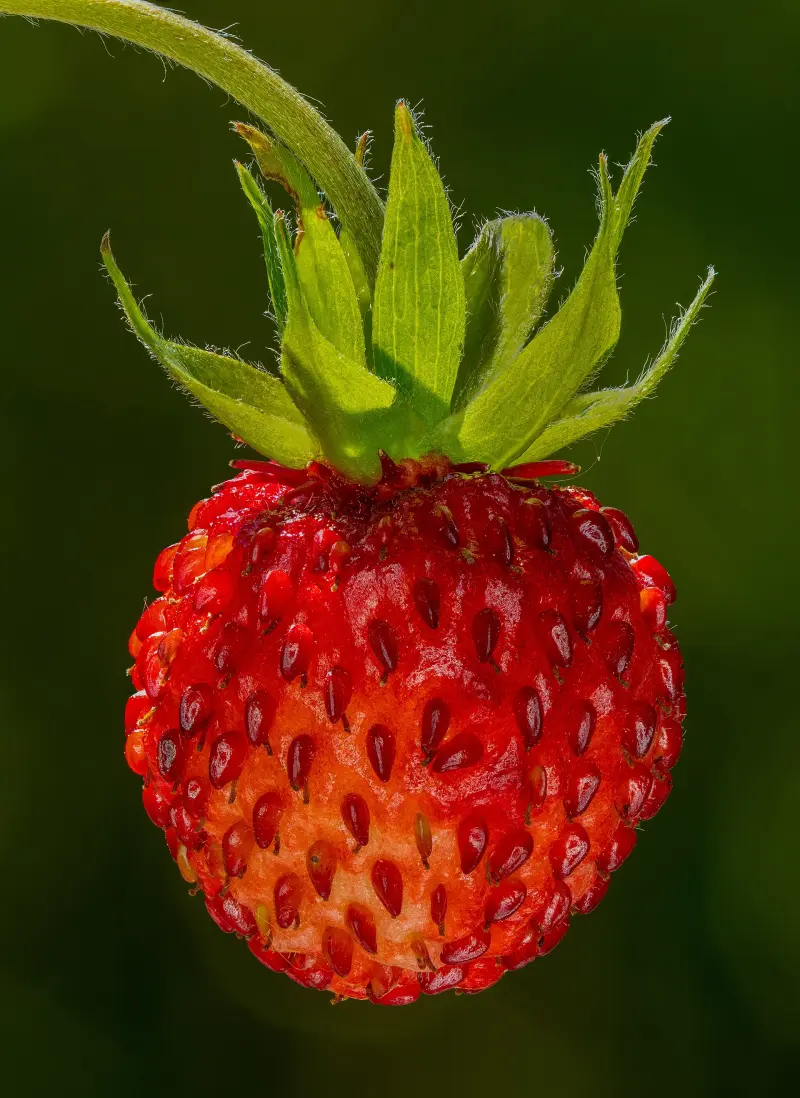
Blackberries are vigorous cane fruits that produce glossy black berries in late summer. Modern thornless varieties are easy to train on wires against a fence and give heavy crops.
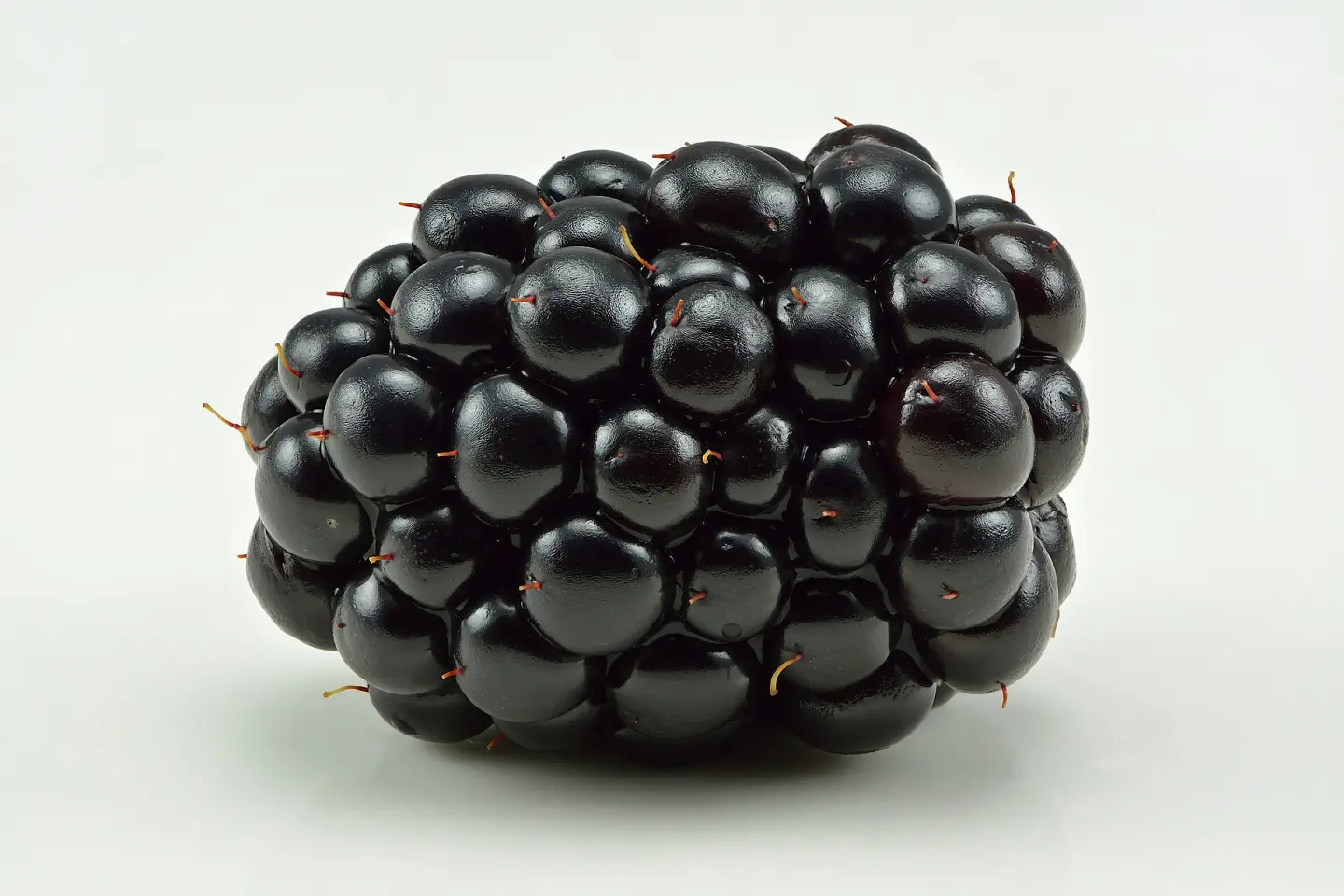
Photo: Ivar Leidus · CC BY-SA 4.0, via Wikimedia Commons
Essential Care Requirements
Light
Full sun, Partial sun
Watering
Moderate
Water regularly while fruit develops.
Soil
Fertile, well-drained soil; pH 5.5–7.0.
Temperature and humidity
-20–35 °C · Moderate humidity
Feeding
Feed in spring with a balanced fertilizer and mulch with compost.
Pruning and propagation
Propagate by layering, stem cuttings
Canes fruit in their second year. Cut fruited canes to the ground after harvest and tie in the new ones.
Blackberries are safe for people and pets.
Top Cultivation Tips
Tip-layer canes to make new plants.
Pick when berries are fully black and soft.
Choose low-chill types for warm climates.
Keep it trained; it spreads fast.
Common problems
Aphids
Small, soft-bodied insects that cluster on new shoots and buds, sucking sap and leaving sticky honeydew behind.
How to treat it →DiseaseCrown gall
A bacterial disease that forms rough, woody, tumour-like swellings at the base of the stem and on roots of many fruit and ornamental plants.
How to treat it →DiseaseGrey mould
A fungal rot that covers flowers, fruit and soft stems with fuzzy grey mould in cool, damp conditions.
How to treat it →PestJapanese beetle
Metallic green and copper beetles that skeletonise leaves and devour flowers in summer, while their grubs feed on lawn roots.
How to treat it →DiseaseRust
A fungal disease that forms orange, brown or yellow powdery pustules, mainly on leaf undersides.
How to treat it →PestSpotted lanternfly
An invasive planthopper that feeds in groups on sap from grapes, fruit trees and many other plants, leaving sticky honeydew and sooty mould.
How to treat it →