Blueberry
Vaccinium corymbosum and hybrids
Blueberries are deciduous or semi-evergreen shrubs with white bell flowers and sweet blue berries. They need very acidic soil, so they are easiest to grow in containers, and low-chill southern highbush varieties suit milder climates.
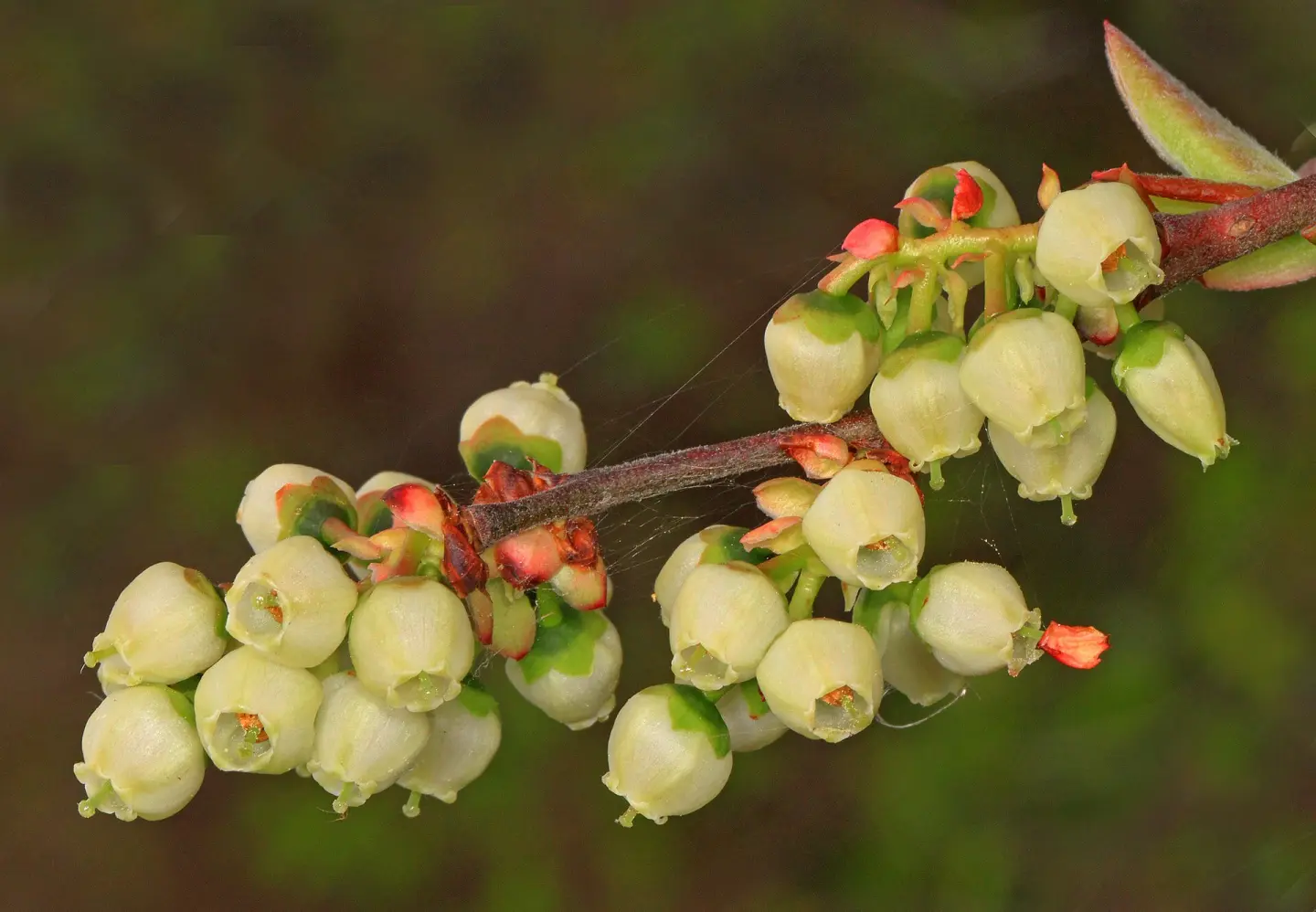
Photo: Judy Gallagher · CC BY 2.0, via Wikimedia Commons
Essential Care Requirements
Light
Full sun, Partial sun
Watering
Moderate
Keep the soil evenly moist with rainwater or filtered water; hard tap water raises the soil pH.
Soil
Very acidic, moisture-retentive mix of cocopeat, pine bark and compost; pH 4.5–5.5.
Temperature and humidity
-5–32 °C · Moderate humidity
Feeding
Feed in spring and early summer with a fertilizer for acid-loving plants. Avoid lime and wood ash.
Pruning and propagation
Propagate by stem cuttings, layering
Remove old, weak and low stems in winter, keeping a mix of young and older canes.
Blueberries are safe for people and dogs.
Top Cultivation Tips
Grow two varieties together for better crops.
Choose low-chill varieties for warm winters.
Mulch with pine needles or bark.
Give afternoon shade in hot climates.
Common problems
Aphids
Small, soft-bodied insects that cluster on new shoots and buds, sucking sap and leaving sticky honeydew behind.
How to treat it →PestBirds pecking fruit
Birds that peck at ripening soft fruit, taking bites or whole berries just as they are ready to pick.
How to treat it →DiseaseIron chlorosis
Young leaves turn yellow while the veins stay green, usually because alkaline soil stops the plant taking up iron.
How to treat it →DiseaseRoot rot
Roots decay in waterlogged soil, so the plant wilts and yellows even though the soil is wet.
How to treat it →DiseaseSalt damage
Leaf burn and stunted growth caused by too much salt in the soil or water, from sea spray, road salt, hard water or heavy fertiliser use.
How to treat it →DiseaseStem canker
Sunken, dead patches of bark on stems and branches caused by fungi or bacteria, which can girdle and kill the shoot above them.
How to treat it →