Cape Gooseberry
Physalis peruviana
Cape gooseberry is a bushy plant whose sweet-tart golden berries grow inside papery lantern-like husks. It is a popular winter fruit in Bengal and north India, easy to grow from seed and productive in large pots.
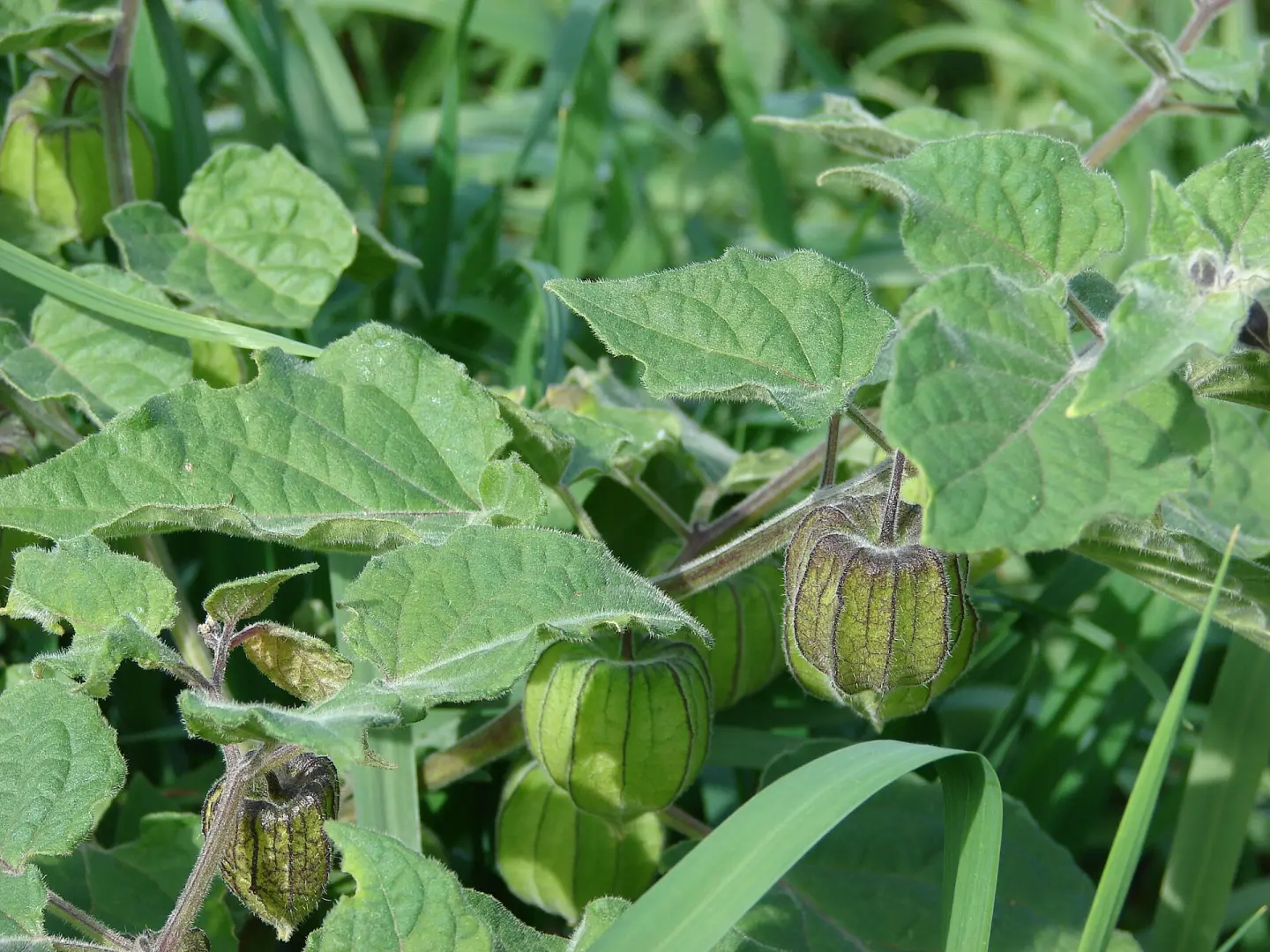
Photo: Forest & Kim Starr · CC BY 3.0, via Wikimedia Commons
Essential Care Requirements
Light
Full sun
Watering
Moderate
Water regularly while fruit develops; avoid waterlogging.
Soil
Well-drained, moderately fertile soil; pH 6.0–7.5.
Temperature and humidity
5–32 °C · Moderate humidity
Feeding
Feed monthly with a balanced fertilizer; too much nitrogen gives leaves instead of fruit.
Pruning and propagation
Propagate by seed, stem cuttings
Stake or cage the sprawling stems and pinch tips to keep it compact.
Ripe golden fruit is safe to eat. Unripe green berries, leaves and husks contain solanine and should not be eaten by people or pets.
Top Cultivation Tips
Sow in August–September.
Fruit is ripe when the husk turns papery and brown.
Ripe fruit keeps for weeks in its husk.
Spread a cloth below to catch dropped fruit.
Common problems
Aphids
Small, soft-bodied insects that cluster on new shoots and buds, sucking sap and leaving sticky honeydew behind.
How to treat it →DiseaseLeaf curl virus
A whitefly-spread virus that makes leaves curl, crinkle and shrink, stunting tomato, chilli and papaya.
How to treat it →PestWhiteflies
Small white flying insects that gather under leaves, sucking sap, spreading viruses and leaving sticky honeydew.
How to treat it →