Catnip
Nepeta cataria
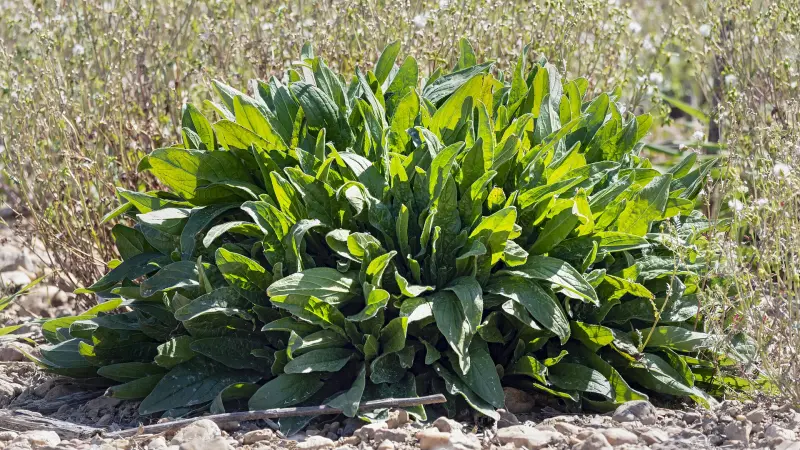
Catnip is a hardy perennial in the mint family with soft grey-green leaves and small white flowers. Many cats react with delight to its scent, and the leaves also make a calming herbal tea.
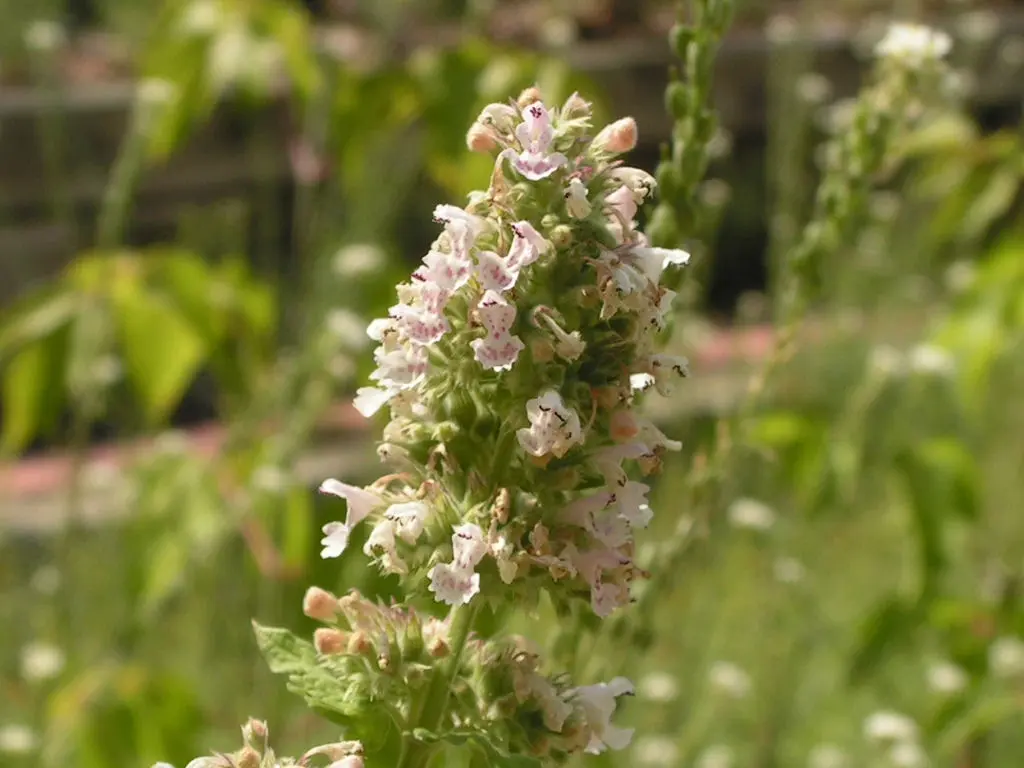
Photo: D. Gordon E. Robertson · CC BY-SA 3.0, via Wikimedia Commons
Essential Care Requirements
Light
Full sun, Partial sun
Watering
Low
Water when the soil is dry; it tolerates drought.
Soil
Well-drained, average soil; pH 6.0–7.5.
Temperature and humidity
-30–35 °C · Low humidity
Feeding
Little or no feeding.
Pruning and propagation
Propagate by seed, stem cuttings, division
Cut back after flowering for fresh leaves and a second bloom.
Safe for cats in small amounts; eating large quantities can cause mild vomiting or diarrhoea.
Top Cultivation Tips
Protect young plants from enthusiastic cats with a wire cage.
Dry leaves to stuff cat toys.
Attracts bees.
Self-seeds readily.
Common problems
Aphids
Small, soft-bodied insects that cluster on new shoots and buds, sucking sap and leaving sticky honeydew behind.
How to treat it →DiseasePowdery mildew
A fungal disease that coats leaves, buds and young shoots with a white, flour-like dust, weakening the plant and spoiling flowers and fruit.
How to treat it →PestSpider mites
Tiny sap-sucking mites that thrive in hot, dry conditions, causing speckled, dull leaves and fine webbing.
How to treat it →