Cherry Tomato
Solanum lycopersicum var. cerasiforme
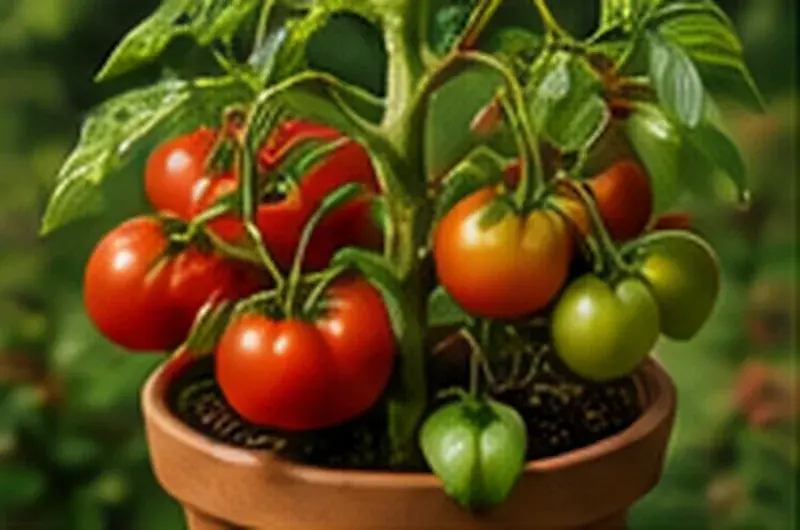
Cherry tomatoes produce long trusses of small, sweet fruit over many weeks. They are easier and more forgiving than large tomatoes, crack less, and are ideal for pots and hanging baskets on a sunny balcony.
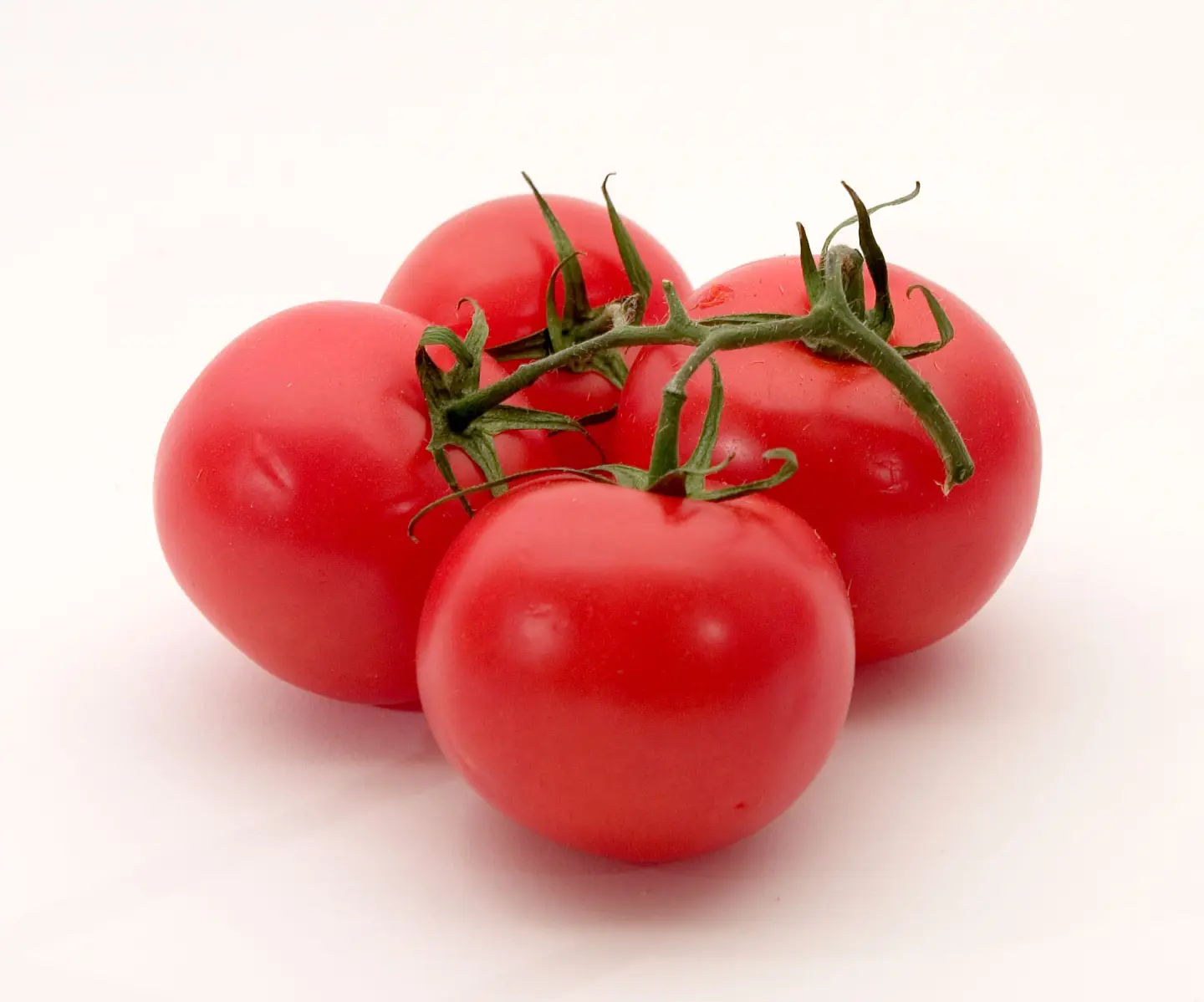
Photo: Softeis · CC BY-SA 3.0, via Wikimedia Commons
Essential Care Requirements
Light
Full sun
Watering
Moderate
Water deeply and regularly at the base. Uneven watering causes splitting and blossom end rot.
Soil
Rich, well-drained potting mix with compost; pH 6.0–7.0. Use at least a 15-litre pot.
Temperature and humidity
12–35 °C · Moderate humidity
Feeding
Feed every two weeks with a potassium-rich fertilizer once the first flowers appear.
Pruning and propagation
Propagate by seed, stem cuttings
For tall (indeterminate) types, pinch out side shoots in the leaf axils and tie the main stem to a stake.
Ripe fruit is safe. The leaves, stems and unripe green fruit can upset the stomachs of cats and dogs.
Top Cultivation Tips
Pick fruit as soon as it colours to prevent splitting.
Side shoots root easily to make new plants.
Grow in the cool, dry season in the plains.
Shake flowering trusses gently to help pollination.
Common problems
Early blight
A fungal disease of tomatoes and potatoes that causes brown spots with target-like rings on the lower leaves.
How to treat it →DiseaseFruit cracking
Ripening fruit splits open, usually after a sudden heavy watering or rain following a dry spell.
How to treat it →DiseaseLeaf curl virus
A whitefly-spread virus that makes leaves curl, crinkle and shrink, stunting tomato, chilli and papaya.
How to treat it →DiseaseSeptoria leaf spot
A fungal disease that covers lower leaves in small round spots with dark edges and pale centres, then strips plants of foliage from the bottom up.
How to treat it →PestTomato hornworm
Large green caterpillars with a horn on the tail that can strip tomato and pepper plants of leaves almost overnight.
How to treat it →DiseaseTomato leaf mould
A fungal disease of tomatoes in humid greenhouses and polytunnels that causes pale spots on top of leaves and olive-green velvety mould underneath.
How to treat it →DiseaseTomato mosaic virus
A very stable virus that causes mottled light and dark green leaves, distorted growth and poor fruit on tomatoes, peppers and relatives.
How to treat it →PestWhiteflies
Small white flying insects that gather under leaves, sucking sap, spreading viruses and leaving sticky honeydew.
How to treat it →