Citronella
Cymbopogon nardus and C. winterianus
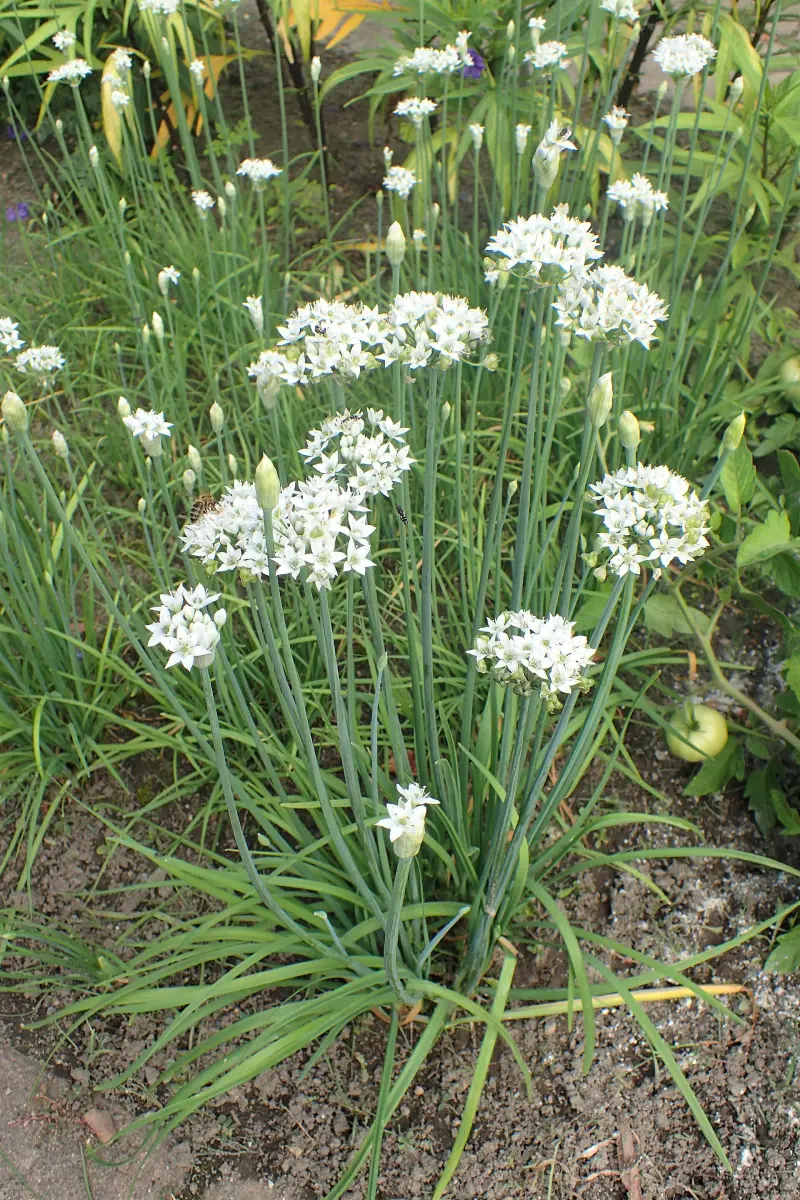
Citronella is a tall, clumping grass related to lemongrass, grown for the lemony oil in its leaves. It makes a fragrant border plant and is commercially grown in Assam and north-east India for oil.
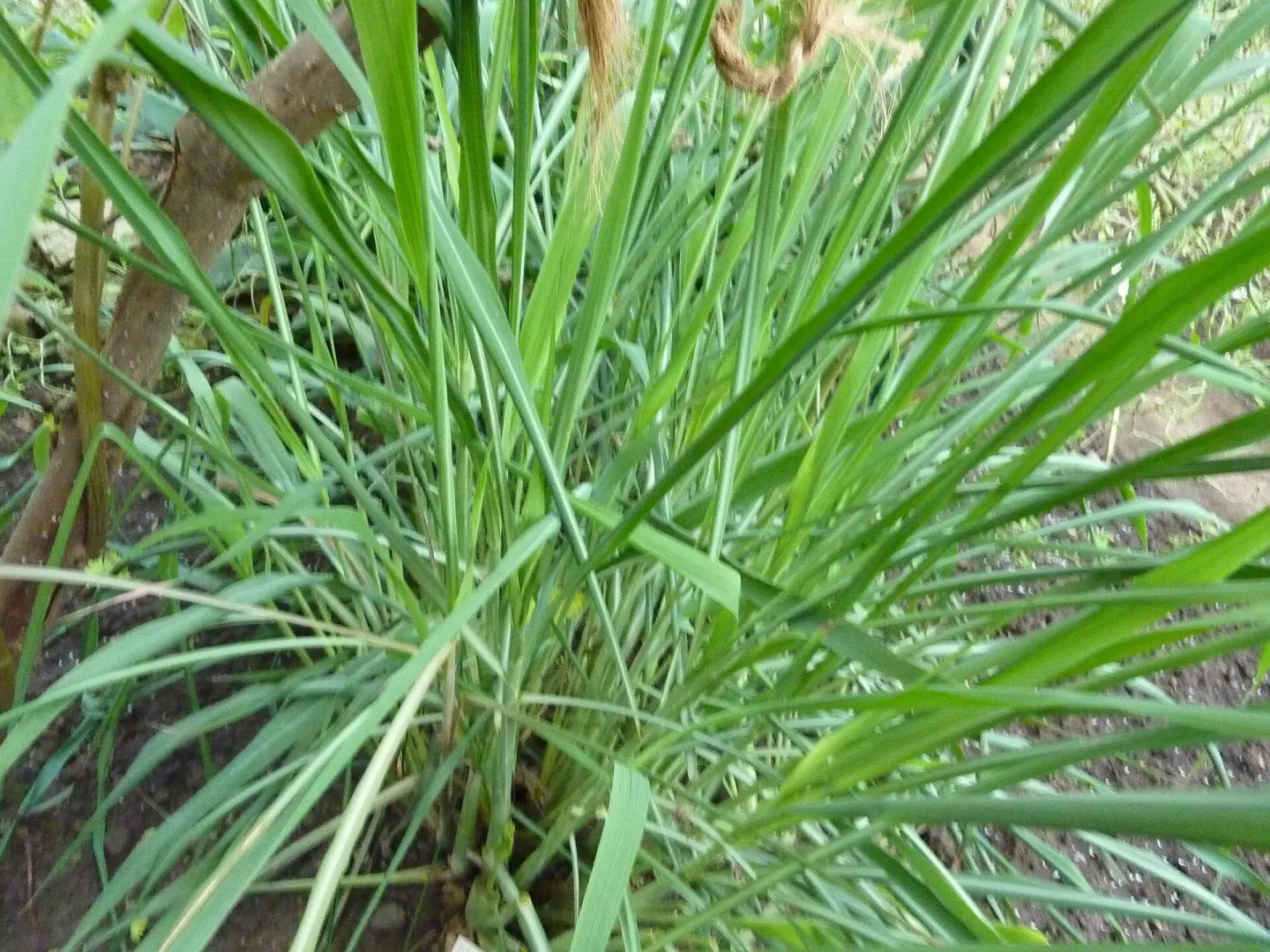
Photo: James Steakley · CC BY-SA 3.0, via Wikimedia Commons
Essential Care Requirements
Light
Full sun
Watering
Moderate
Water regularly in dry weather; established clumps are fairly drought tolerant.
Soil
Well-drained loam; pH 5.5–7.5.
Temperature and humidity
10–40 °C · Moderate humidity
Feeding
Feed with compost or a nitrogen-rich fertilizer two or three times a year.
Pruning and propagation
Propagate by division
Cut leaves back to 30 cm a few times a year to keep the clump fresh.
The plant can cause mild stomach upset in cats and dogs, and concentrated citronella oil is harmful to pets.
Top Cultivation Tips
Divide clumps every two years.
Crushed leaves release the scent; the plant alone is a weak mosquito repellent.
Wear gloves; leaf edges are sharp.
Not for cooking; use lemongrass instead.
Common problems
Leaf spot
Fungal or bacterial infections that cause brown, black or purple spots on leaves, often with a yellow halo, leading to early leaf drop.
How to treat it →DiseaseRust
A fungal disease that forms orange, brown or yellow powdery pustules, mainly on leaf undersides.
How to treat it →PestSpider mites
Tiny sap-sucking mites that thrive in hot, dry conditions, causing speckled, dull leaves and fine webbing.
How to treat it →