Collard Greens
Brassica oleracea var. viridis
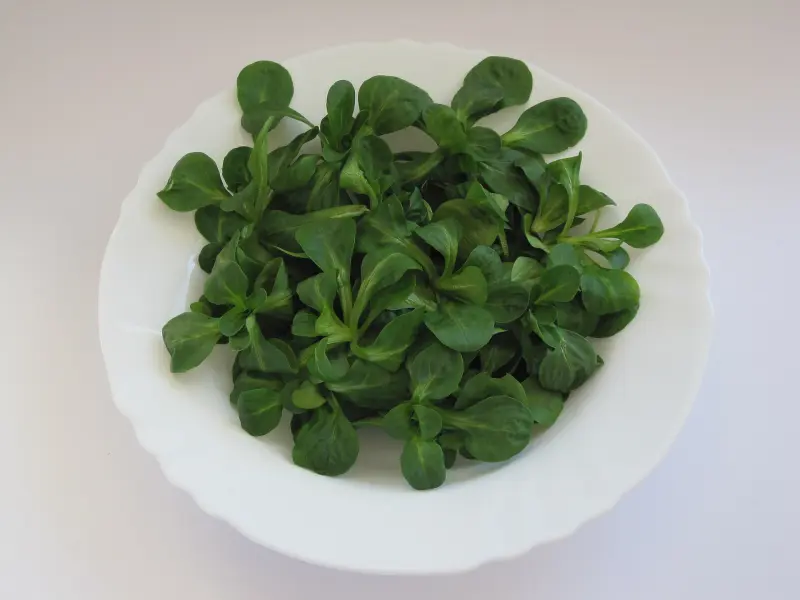
Collard greens are large-leaved, non-heading members of the cabbage family, harvested leaf by leaf for months. They tolerate both heat and frost better than most brassicas and are a staple in the American South, Brazil and East Africa.
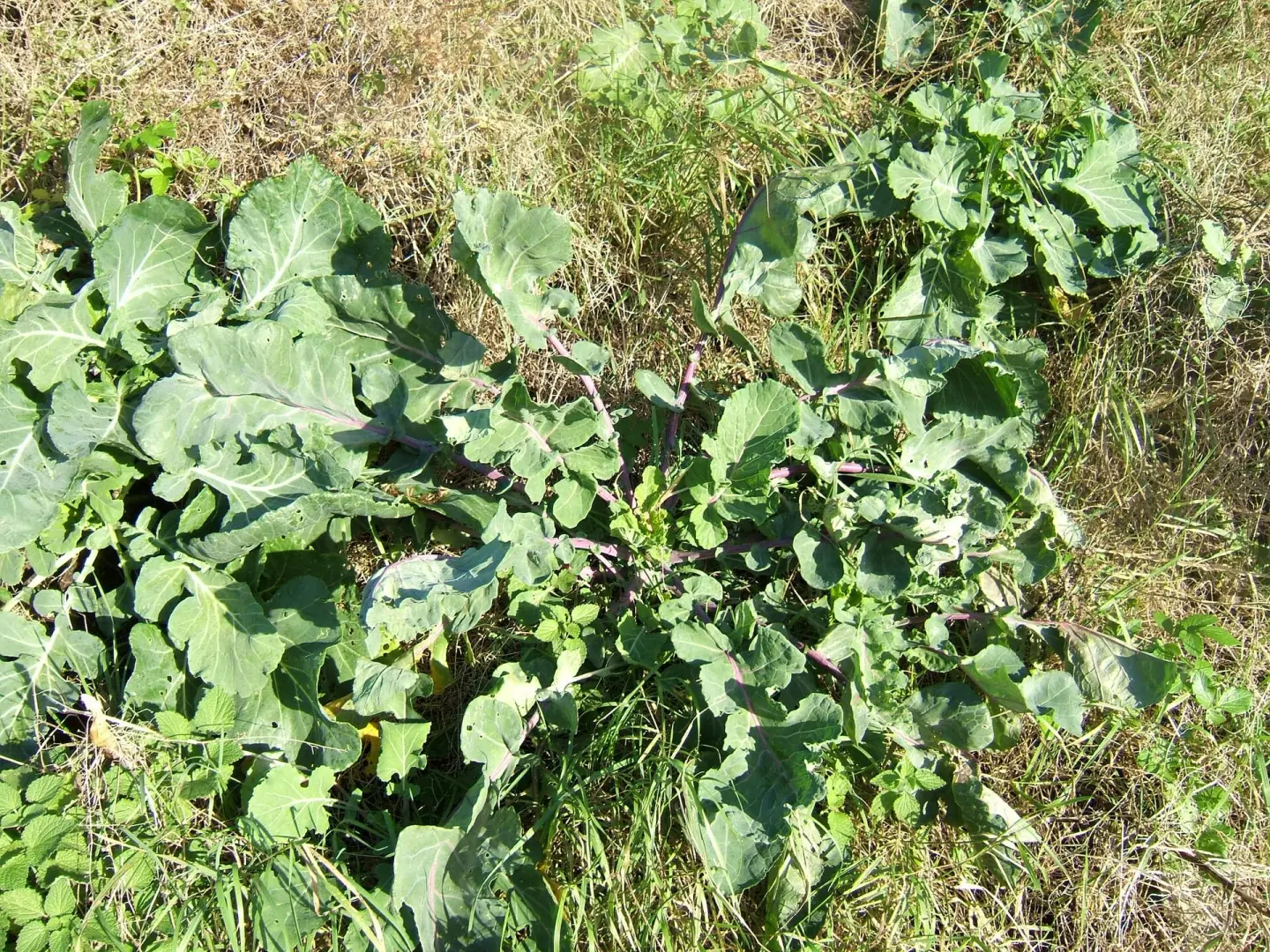
Photo: MPF · CC BY 2.5, via Wikimedia Commons
Essential Care Requirements
Light
Full sun, Partial sun
Watering
Moderate
Keep the soil evenly moist for tender leaves.
Soil
Fertile, well-drained soil; pH 6.0–7.5.
Temperature and humidity
-10–32 °C · Moderate humidity
Feeding
Feed every three to four weeks with a nitrogen-rich fertilizer.
Pruning and propagation
Propagate by seed
Harvest lower leaves, leaving the top to grow.
Collards are safe to eat.
Top Cultivation Tips
Leaves sweeten after frost.
Net against cabbage butterflies.
One plant can yield for a year in mild climates.
Sukuma wiki is a popular East African type.
Common problems
Aphids
Small, soft-bodied insects that cluster on new shoots and buds, sucking sap and leaving sticky honeydew behind.
How to treat it →PestCabbage white caterpillars
Green or yellow-green caterpillars of white butterflies that chew large holes in cabbage-family leaves and foul the hearts with droppings.
How to treat it →PestCaterpillars
The larvae of moths and butterflies, which chew holes in leaves, flowers and fruit and can strip a plant in days.
How to treat it →PestWhiteflies
Small white flying insects that gather under leaves, sucking sap, spreading viruses and leaving sticky honeydew.
How to treat it →