Culantro
Eryngium foetidum
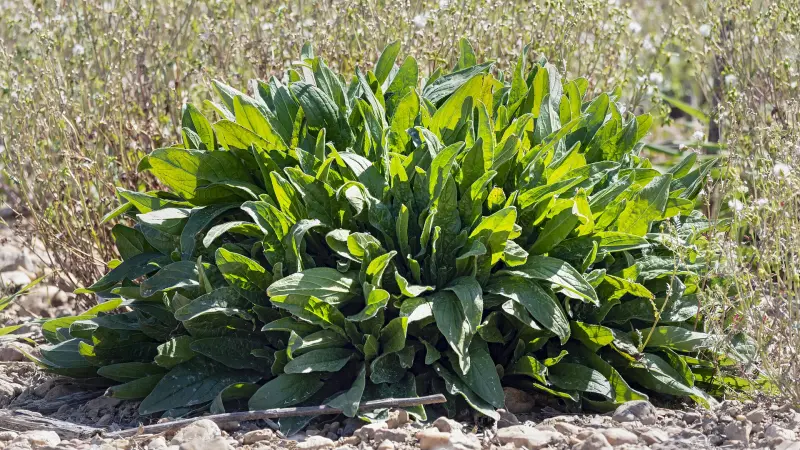
Culantro is a low, rosette-forming herb with long, serrated leaves that taste like a stronger version of coriander. It is widely used in north-east India, Bengal and Southeast Asia, and unlike coriander it thrives in heat and shade.
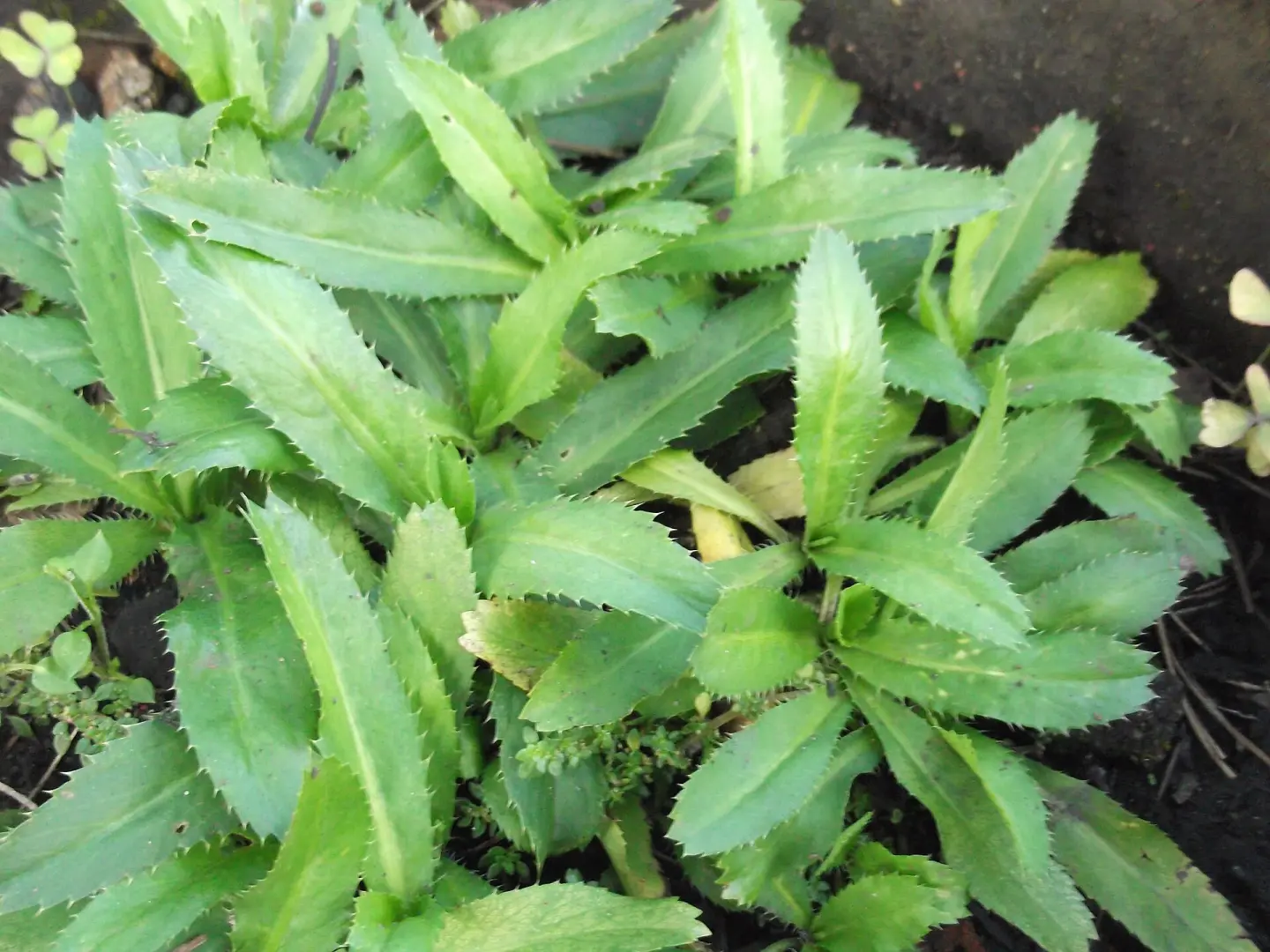
Photo: Yercaud-elango · CC BY-SA 4.0, via Wikimedia Commons
Essential Care Requirements
Light
Partial sun, Bright indirect light
Watering
Moderate
Keep the soil moist; it bolts quickly in dry soil and full sun.
Soil
Rich, moist, well-drained soil; pH 6.0–7.0.
Temperature and humidity
12–38 °C · High humidity
Feeding
Feed monthly with compost tea or a nitrogen-rich organic feed.
Pruning and propagation
Propagate by seed, division
Cut outer leaves at the base and remove flower stalks as soon as they appear.
Culantro is safe to eat.
Top Cultivation Tips
Grow in shade for larger, softer leaves.
Use a little; the flavour is strong.
Leaves hold their flavour when cooked, unlike coriander.
Self-seeds in damp, shaded spots.
Common problems
Aphids
Small, soft-bodied insects that cluster on new shoots and buds, sucking sap and leaving sticky honeydew behind.
How to treat it →DiseaseLeaf spot
Fungal or bacterial infections that cause brown, black or purple spots on leaves, often with a yellow halo, leading to early leaf drop.
How to treat it →PestSnails and slugs
Night-feeding molluscs that chew ragged holes in leaves, seedlings and soft stems, especially in wet weather.
How to treat it →