Gooseberry
Ribes uva-crispa
Gooseberries are thorny, hardy bushes that bear tart green berries for cooking or sweet red and yellow dessert berries in early summer. They crop well in cool climates and light shade.
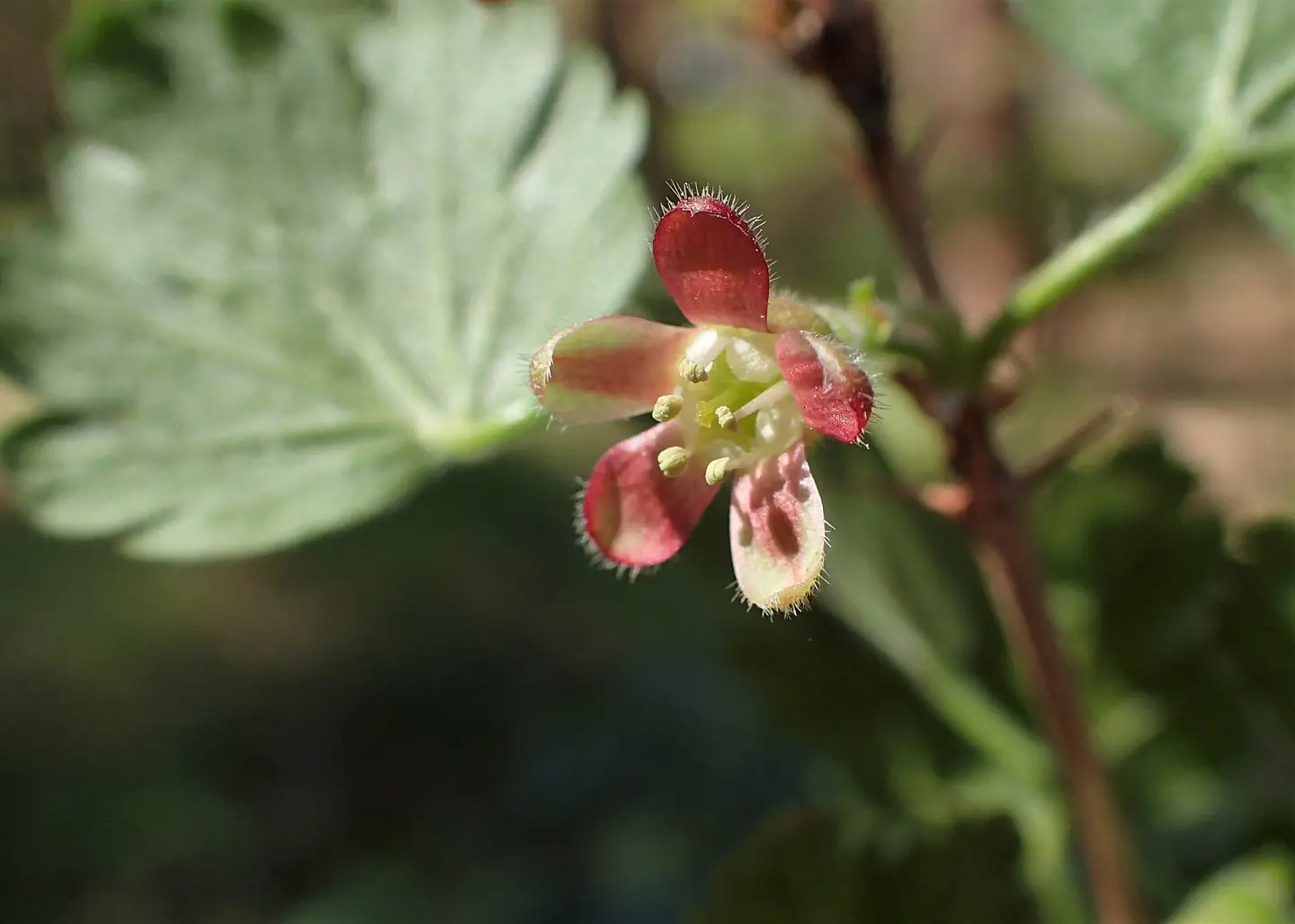
Photo: Krzysztof Ziarnek, Kenraiz · CC BY-SA 4.0, via Wikimedia Commons
Essential Care Requirements
Light
Full sun, Partial sun
Watering
Moderate
Water in dry spells, especially while fruit swells.
Soil
Moist, well-drained soil; pH 6.0–7.0.
Temperature and humidity
-30–28 °C · Moderate humidity
Feeding
Feed with a potassium-rich fertilizer in spring.
Pruning and propagation
Propagate by stem cuttings, layering
In winter, keep an open goblet shape and shorten side shoots to two buds.
Gooseberries are safe to eat.
Top Cultivation Tips
Check for sawfly larvae from spring; they can strip leaves quickly.
Thin early fruit for cooking, leaving the rest to ripen.
Wear gloves for the thorns.
Not to be confused with Indian gooseberry (amla).
Common problems
Aphids
Small, soft-bodied insects that cluster on new shoots and buds, sucking sap and leaving sticky honeydew behind.
How to treat it →DiseasePowdery mildew
A fungal disease that coats leaves, buds and young shoots with a white, flour-like dust, weakening the plant and spoiling flowers and fruit.
How to treat it →PestSawfly larvae
Caterpillar-like larvae of sawflies that can strip gooseberries, currants and roses of their leaves in days.
How to treat it →