Guava Tree
Psidium guajava
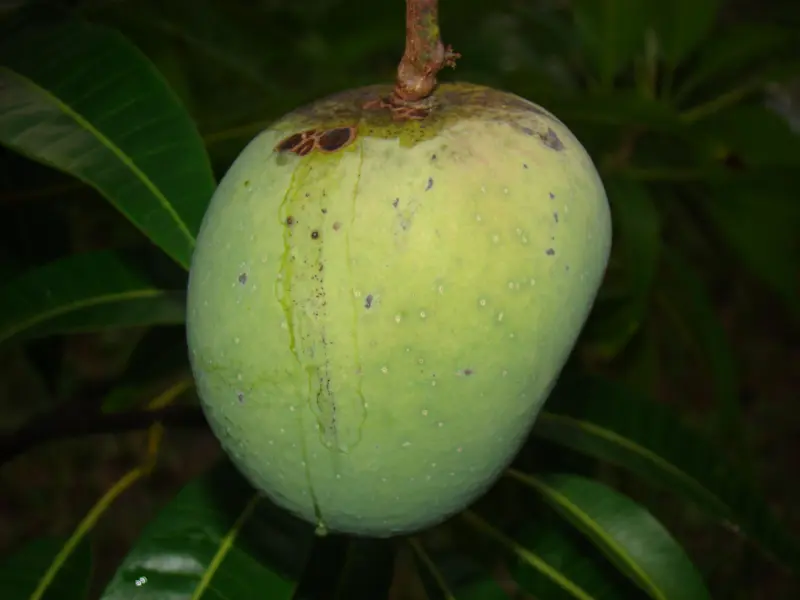
Guava is a small, hardy fruit tree with smooth, peeling bark and fragrant white flowers. It fruits within two to three years from grafted or layered plants, often twice a year, and adapts well to large pots on a sunny terrace.
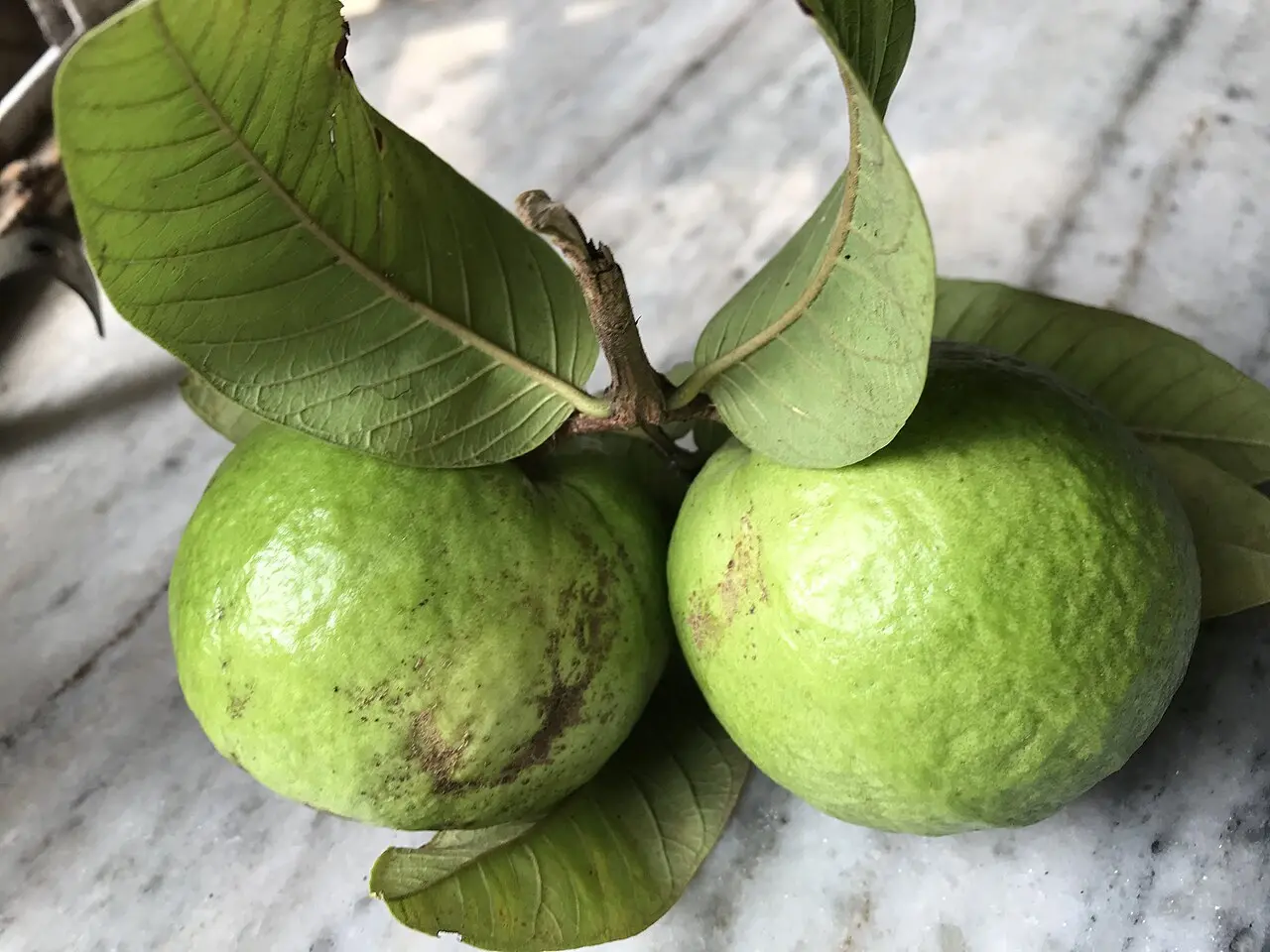
Photo: Rajeeb (Marajozkee) · CC BY-SA 4.0, via Wikimedia Commons
Essential Care Requirements
Light
Full sun
Watering
Moderate
Water deeply when the top 5 cm of soil is dry. Keep the soil evenly moist while fruit is developing, and reduce watering in winter. Potted guavas dry out quickly in summer.
Soil
Tolerates many soils, from sandy to clay, with a pH of 4.5–8.2, as long as they drain well. In pots, use garden soil, compost and sand in equal parts.
Temperature and humidity
5–42 °C · Moderate humidity
Feeding
Feed with compost and a balanced fertilizer every two to three months in the growing season. Extra potassium during fruiting improves taste and size.
Pruning and propagation
Propagate by air layering, grafting, seed
Prune after harvest to keep an open, low canopy. Guava fruits on new growth, so shortening shoots by a third encourages more fruiting branches.
The fruit and leaves are not considered toxic to people, cats or dogs.
Top Cultivation Tips
Winter fruit is usually sweeter and less affected by fruit flies.
Bag young fruit with paper bags to keep fruit flies off.
Thin heavy crops so the remaining fruit grows larger.
Air-layered plants fruit sooner than seedlings.
Common problems
Anthracnose
A fungal disease that causes dark, sunken spots on leaves, flowers and fruit, especially mango, chilli and papaya.
How to treat it →PestAnts on plants
Ants rarely damage plants themselves, but they protect sap-sucking pests for their honeydew and may nest in pots, drying out the roots.
How to treat it →PestFruit flies
Flies that lay eggs inside ripening fruit; the maggots rot the fruit from within.
How to treat it →DiseaseIron chlorosis
Young leaves turn yellow while the veins stay green, usually because alkaline soil stops the plant taking up iron.
How to treat it →PestScale insects
Immobile, shell-covered insects that cling to stems and leaves, draining sap and weakening trees and houseplants.
How to treat it →DiseaseSooty mould
A black, powdery fungal coating that grows on the sticky honeydew left by sap-sucking insects, blocking light from leaves.
How to treat it →PestTermites
Soil-dwelling social insects that eat roots and the base of stems, killing seedlings and weakening trees.
How to treat it →PestWhiteflies
Small white flying insects that gather under leaves, sucking sap, spreading viruses and leaving sticky honeydew.
How to treat it →