Hazel
Corylus avellana
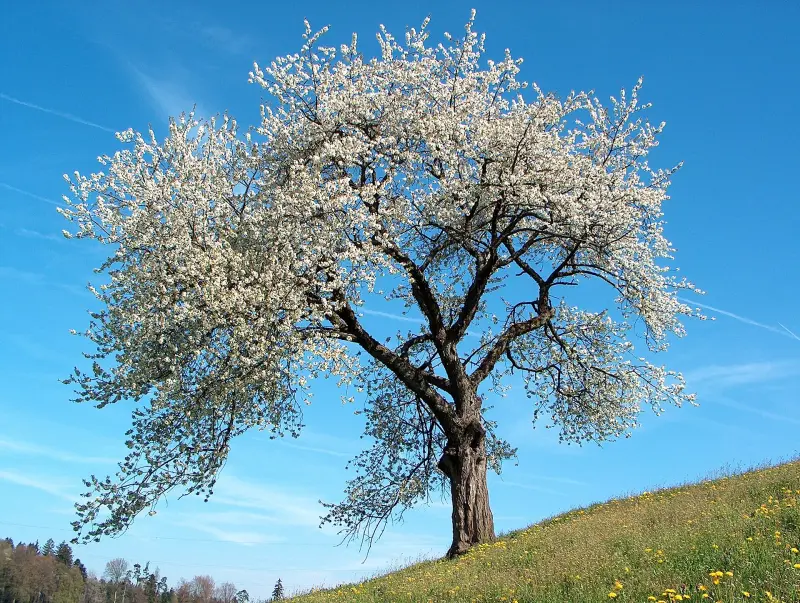
Hazel is a hardy, multi-stemmed deciduous shrub that bears long yellow catkins in late winter and clusters of sweet nuts in autumn. It suits hedges, woodland edges and coppiced gardens, and two different varieties are needed nearby for good pollination.
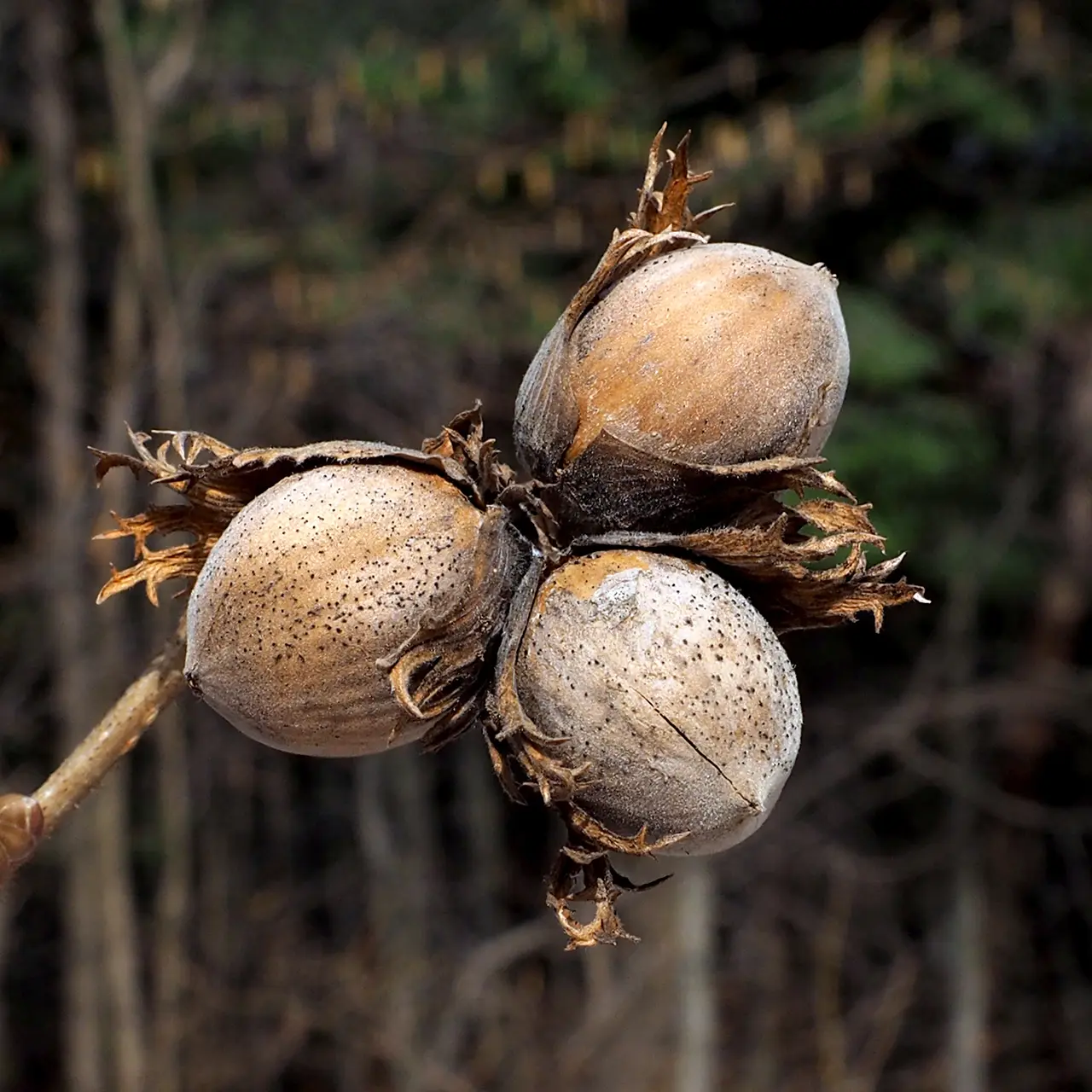
Photo: Hladac · CC BY-SA 4.0, via Wikimedia Commons
Essential Care Requirements
Light
Full sun, Partial sun
Watering
Moderate
Water young plants in dry spells. Established shrubs seldom need extra water.
Soil
Any well-drained, moisture-retentive soil, including chalky soil; pH 6.0 to 8.0.
Temperature and humidity
-25–30 °C · Moderate humidity
Feeding
Mulch with compost in spring. Avoid heavy feeding, which produces leaves and few nuts.
Pruning and propagation
Propagate by layering, seed
Prune in late winter after the catkins have shed pollen, cutting out crossing and old stems. Coppice every few years if wanted.
Non-toxic. Nuts can trigger allergies in some people.
Top Cultivation Tips
Plant at least two different varieties for cross-pollination.
Shake the branches and collect nuts as they fall before squirrels do.
Dry the nuts in a warm, airy place before storing them.
Pull up suckers around the base in spring if you want a single clump.
Common problems
Aphids
Small, soft-bodied insects that cluster on new shoots and buds, sucking sap and leaving sticky honeydew behind.
How to treat it →PestCaterpillars
The larvae of moths and butterflies, which chew holes in leaves, flowers and fruit and can strip a plant in days.
How to treat it →DiseaseHoney fungus
A destructive fungus that attacks and kills the roots of trees and shrubs, spreading underground by black, bootlace-like strands.
How to treat it →DiseasePowdery mildew
A fungal disease that coats leaves, buds and young shoots with a white, flour-like dust, weakening the plant and spoiling flowers and fruit.
How to treat it →