Lablab Bean
Lablab purpureus
Lablab bean, known as shim in Bengal, is a vigorous climbing bean with purple or white flowers and flat, tender pods that are cooked as a winter vegetable. Purple-podded types are also grown as ornamental climbers.
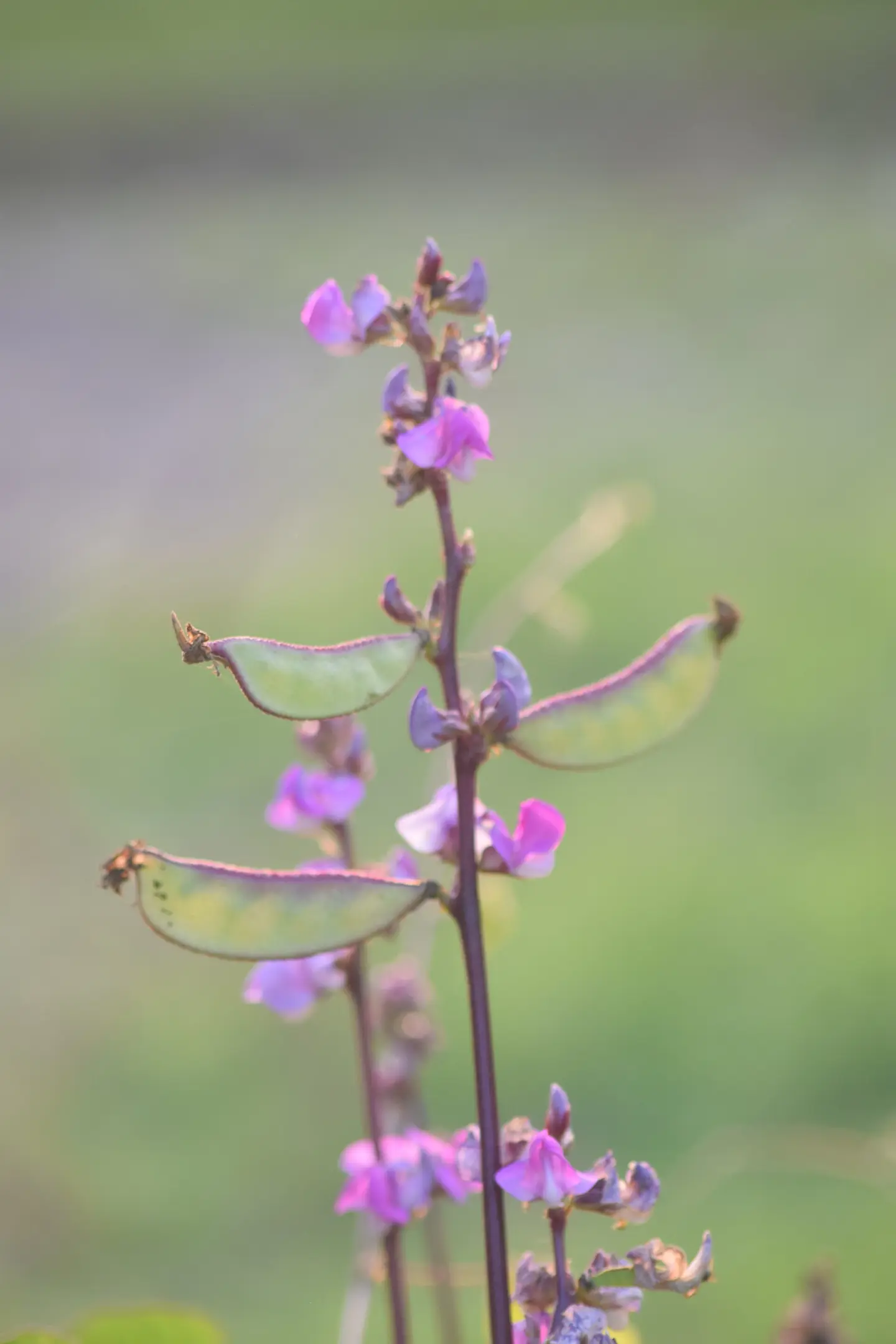
Photo: Md. Mahian · CC BY-SA 4.0, via Wikimedia Commons
Essential Care Requirements
Light
Full sun
Watering
Moderate
Water regularly during flowering and podding; established vines tolerate short dry spells.
Soil
Most well-drained soils with some compost; pH 5.5–7.5.
Temperature and humidity
10–35 °C · Moderate humidity
Feeding
Light feeding with compost; like other beans, it fixes its own nitrogen.
Pruning and propagation
Propagate by seed
Pinch the tips at the top of the support to encourage flowering side shoots.
Young pods are safe when cooked. Raw mature seeds contain compounds that must be destroyed by soaking and thorough cooking.
Top Cultivation Tips
Sow in July–August for a winter crop.
Give a strong bamboo frame or net.
Pick pods while flat and tender.
Aphids gather on flower stalks; spray neem oil early.
Common problems
Aphids
Small, soft-bodied insects that cluster on new shoots and buds, sucking sap and leaving sticky honeydew behind.
How to treat it →DiseaseBean common mosaic virus
A seed-borne and aphid-spread virus that mottles and puckers bean leaves, stunts plants and reduces pod yield.
How to treat it →PestCaterpillars
The larvae of moths and butterflies, which chew holes in leaves, flowers and fruit and can strip a plant in days.
How to treat it →DiseasePowdery mildew
A fungal disease that coats leaves, buds and young shoots with a white, flour-like dust, weakening the plant and spoiling flowers and fruit.
How to treat it →DiseaseYellow vein mosaic
A virus spread by whiteflies that turns leaf veins bright yellow, especially on okra.
How to treat it →