Leek
Allium ampeloprasum (Porrum group)
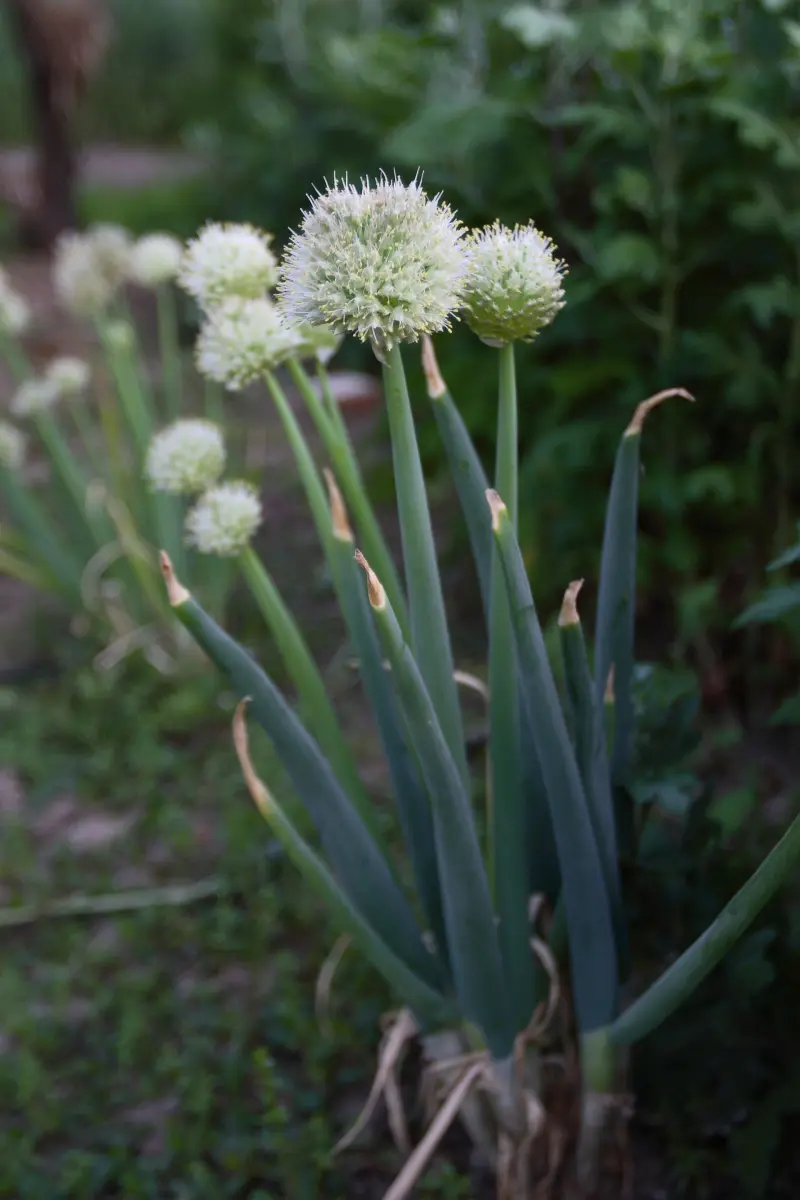
Leeks are mild, sweet members of the onion family grown for their long white shanks. They are slow but trouble-free in the cool season, and can be grown in deep pots or beds.
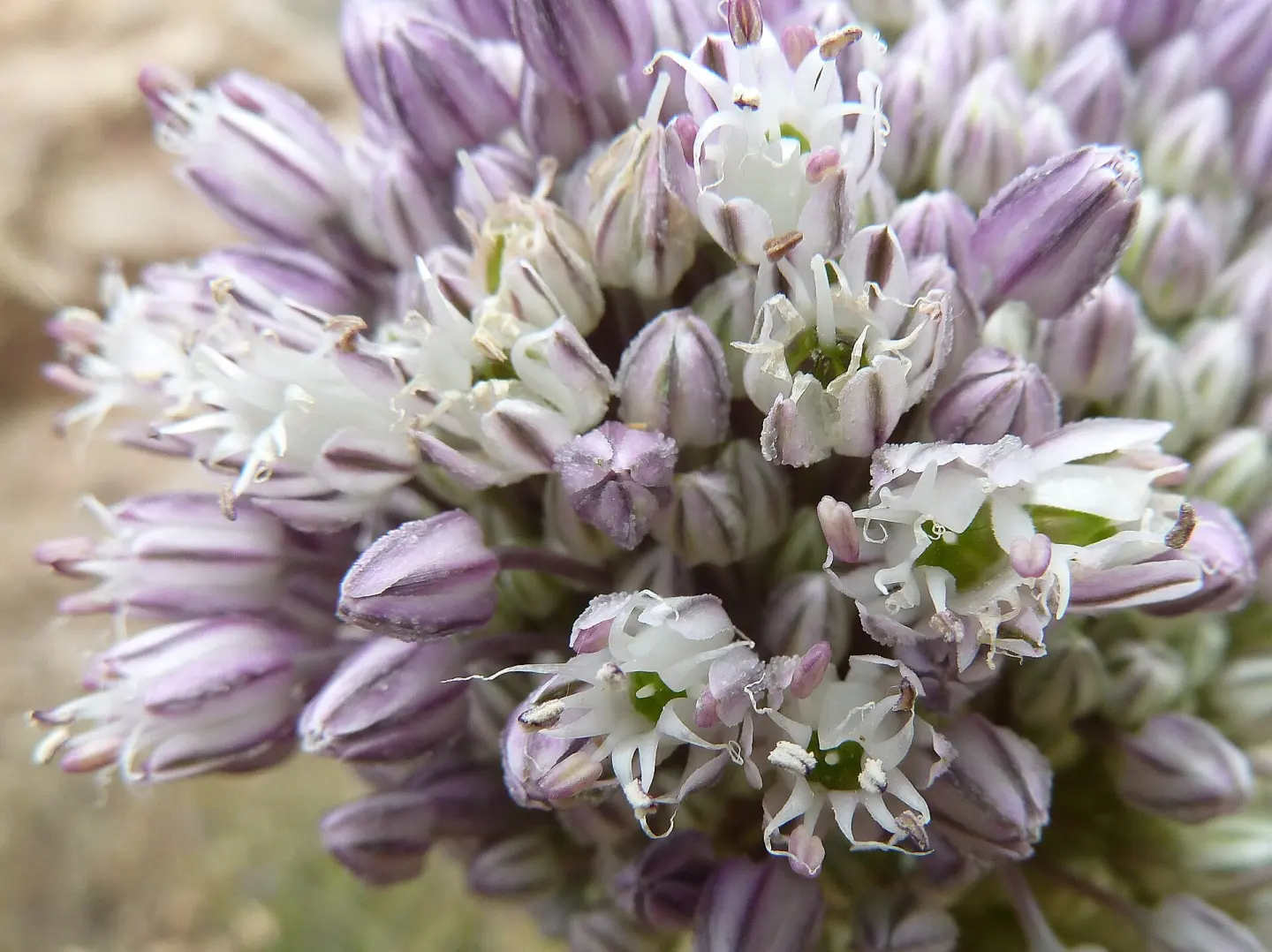
Photo: Philmarin · CC BY-SA 3.0, via Wikimedia Commons
Essential Care Requirements
Light
Full sun
Watering
Moderate
Water regularly to keep the soil moist; leeks have shallow roots.
Soil
Rich, well-drained soil with compost; pH 6.0–7.5.
Temperature and humidity
2–27 °C · Moderate humidity
Feeding
Feed every three to four weeks with a nitrogen-rich organic feed.
Pruning and propagation
Propagate by seed
No pruning needed. Earth up soil around the stems as they grow to lengthen the white part.
Leeks are safe for people but toxic to cats and dogs, like other onions.
Top Cultivation Tips
Drop seedlings into 15 cm deep holes and water them in.
Earth up gradually for long white stems.
Wash leeks well; soil gets between the leaves.
Harvest as needed through winter.
Common problems
Downy mildew
A water-mould disease that causes yellow patches on top of leaves and grey-purple fuzz underneath, spreading fast in cool, wet weather.
How to treat it →DiseaseLeek rust
A fungal disease that covers leek, onion and garlic leaves with bright orange pustules in mild, damp weather.
How to treat it →PestOnion fly
A small fly whose white maggots eat the roots and bulbs of onions, leeks and related crops, causing yellowing, wilting and rotting plants.
How to treat it →DiseaseOnion white rot
A soil-borne fungus that rots the roots and bulbs of onions, garlic, leeks and shallots, and stays in the soil for years.
How to treat it →DiseaseRust
A fungal disease that forms orange, brown or yellow powdery pustules, mainly on leaf undersides.
How to treat it →PestThrips
Tiny, slender insects that rasp leaf and flower surfaces, leaving silvery streaks, curled leaves and distorted flowers.
How to treat it →