Lemon Balm
Melissa officinalis
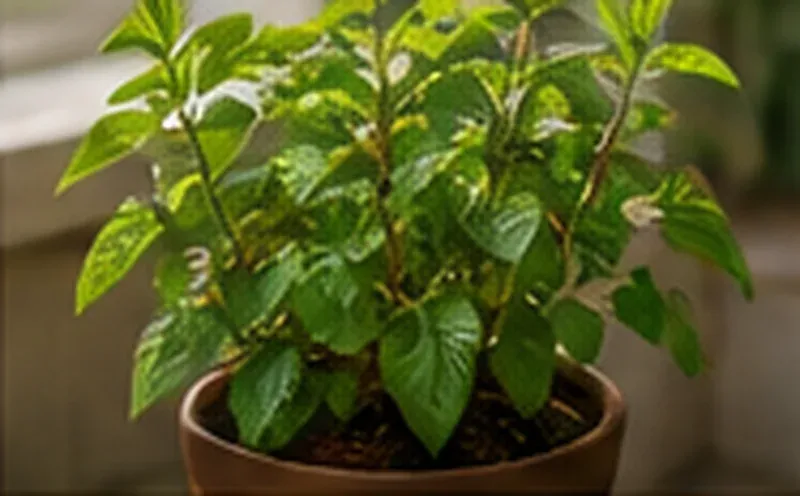
Lemon balm is a bushy perennial herb in the mint family with soft, lemon-scented leaves used for tea, desserts and drinks. It is easy to grow and tolerates partial shade.
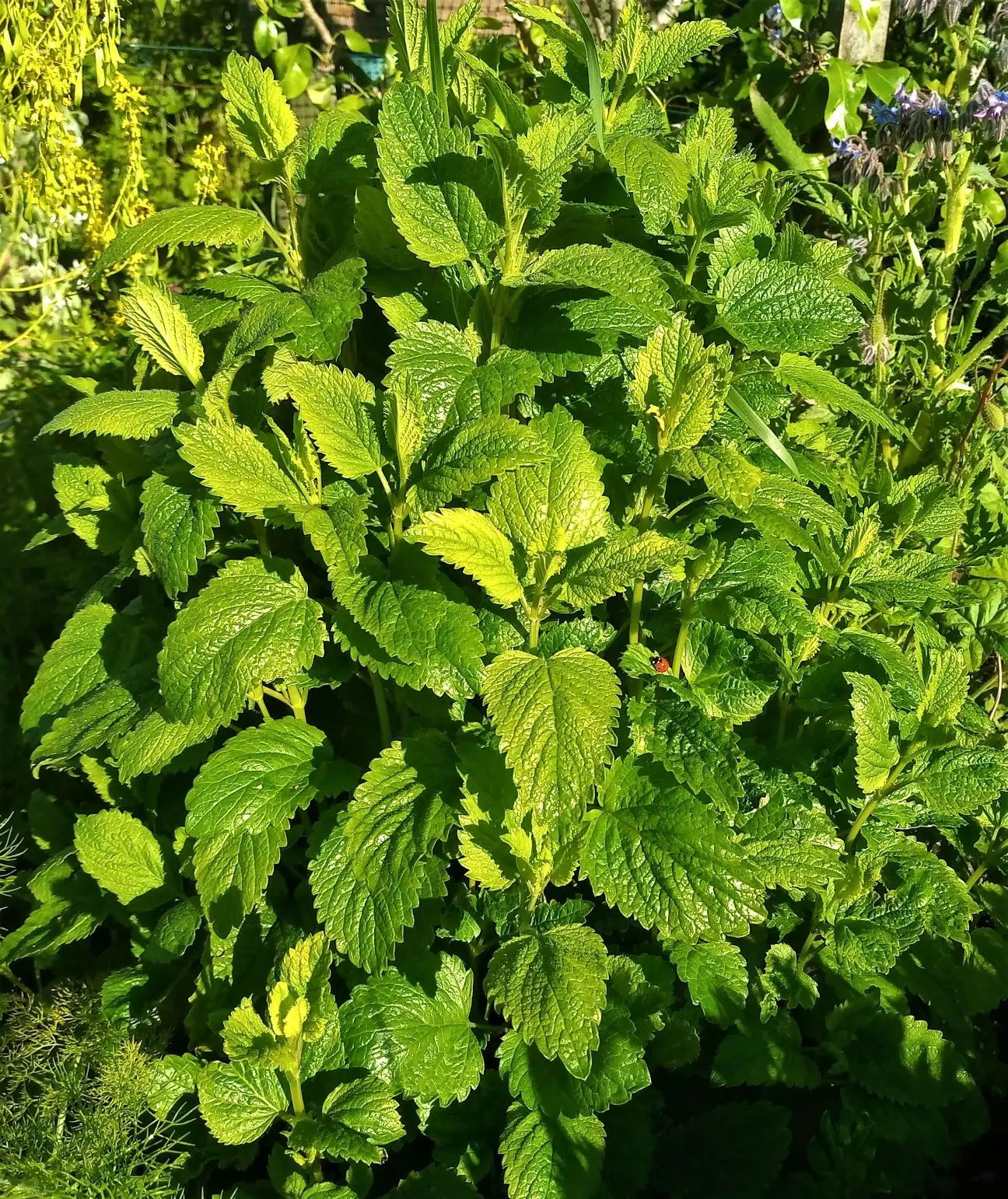
Photo: Amitchell125 · CC BY-SA 4.0, via Wikimedia Commons
Essential Care Requirements
Light
Partial sun, Full sun
Watering
Moderate
Keep the soil lightly moist; it wilts in dry soil but recovers quickly.
Soil
Moist, well-drained soil with compost; pH 6.0–7.5.
Temperature and humidity
2–30 °C · Moderate humidity
Feeding
Light feeding with compost in spring.
Pruning and propagation
Propagate by seed, stem cuttings, division
Cut back by half before flowering for fresh leaves, and remove flower heads to stop self-seeding.
Lemon balm is safe in normal food and tea amounts and is not known to be toxic to pets.
Top Cultivation Tips
Give afternoon shade in hot climates.
Grow in a pot; it self-seeds widely.
Use fresh leaves in iced tea.
Divide clumps every few years.
Common problems
Aphids
Small, soft-bodied insects that cluster on new shoots and buds, sucking sap and leaving sticky honeydew behind.
How to treat it →DiseasePowdery mildew
A fungal disease that coats leaves, buds and young shoots with a white, flour-like dust, weakening the plant and spoiling flowers and fruit.
How to treat it →PestSpider mites
Tiny sap-sucking mites that thrive in hot, dry conditions, causing speckled, dull leaves and fine webbing.
How to treat it →