Oca
Oxalis tuberosa
Oca is an Andean tuber crop with clover-like leaves and colourful, knobbly tubers with a tangy, lemony flavour. It crops well in cool, short days, making it a good crop for northern gardens when the tubers form in autumn.
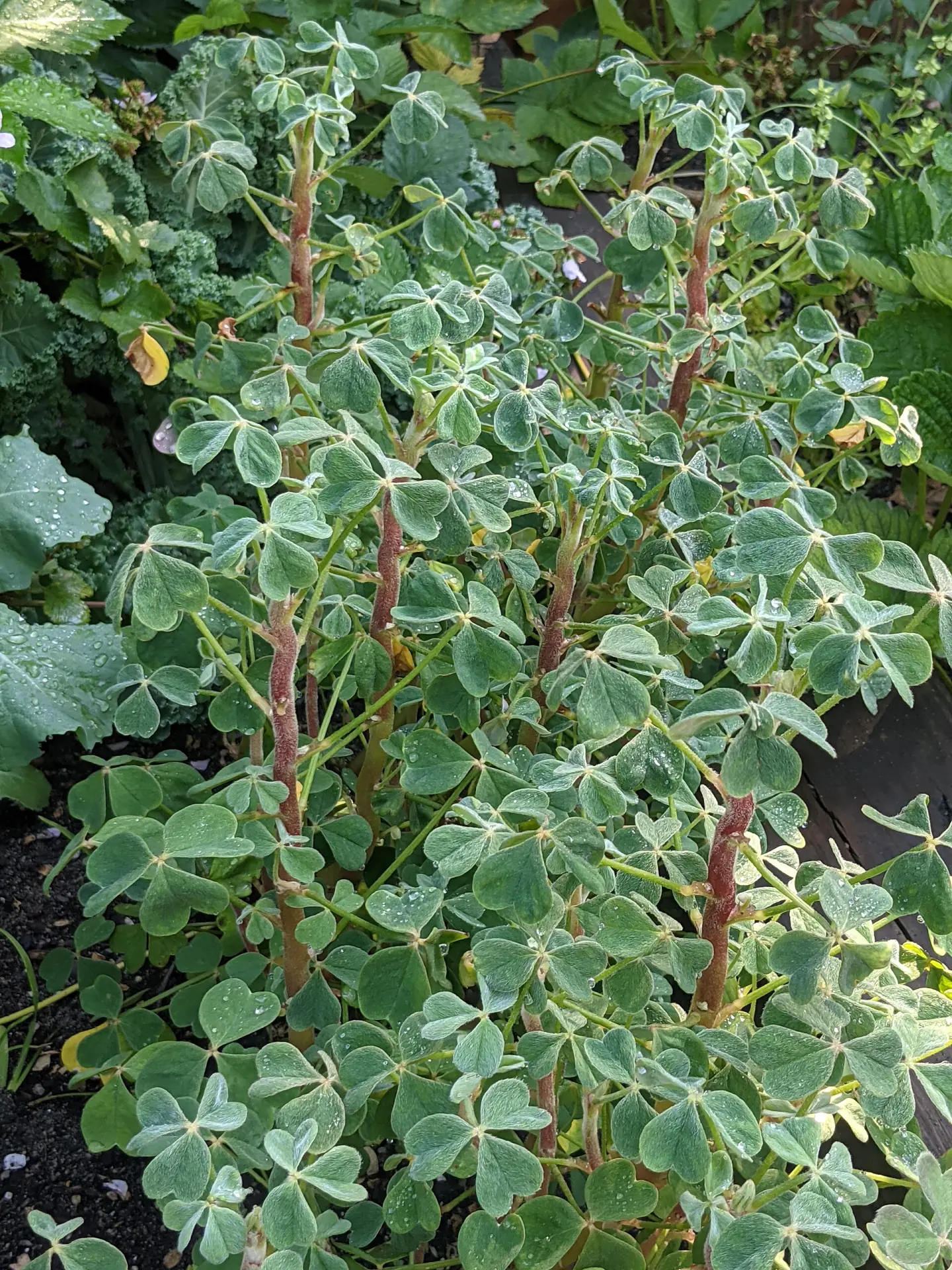
Photo: Izawa Ryu · CC BY-SA 4.0, via Wikimedia Commons
Essential Care Requirements
Light
Full sun
Watering
Moderate
Keep soil moist through summer. Reduce watering when the foliage dies back.
Soil
Fertile, well-drained, slightly acidic soil; pH 5.5 to 6.5.
Temperature and humidity
-2–28 °C · Moderate humidity
Feeding
Feed with a balanced fertilizer and mulch with compost in early summer.
Pruning and propagation
Propagate by division
Earth up the stems in midsummer to encourage tuber formation.
Tubers are edible. The leaves are high in oxalic acid, so eat them only in small amounts.
Top Cultivation Tips
Plant tubers in pots under cover in spring and plant out after frost.
Lift tubers after the foliage dies back in November.
Leave harvested tubers in the sun to sweeten them.
Store tubers in a cool, frost-free place.
Common problems
Aphids
Small, soft-bodied insects that cluster on new shoots and buds, sucking sap and leaving sticky honeydew behind.
How to treat it →DiseaseFrost damage
Injury caused when ice forms inside plant tissue, turning leaves, flowers and shoots black, limp or papery after a cold night.
How to treat it →PestSnails and slugs
Night-feeding molluscs that chew ragged holes in leaves, seedlings and soft stems, especially in wet weather.
How to treat it →PestVine weevil
Adult beetles notch leaf edges at night, while their soil-dwelling grubs eat roots, often killing container plants before you notice.
How to treat it →