Pawpaw
Asimina triloba
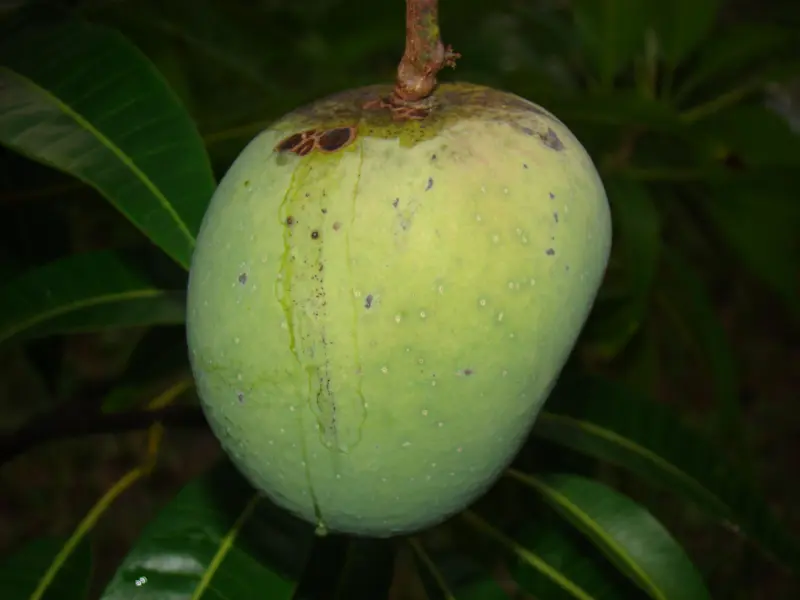
Pawpaw is North America's largest native fruit, a small understorey tree with large leaves and custard-like fruit tasting of banana and mango. It is not related to papaya, which is also sometimes called pawpaw.
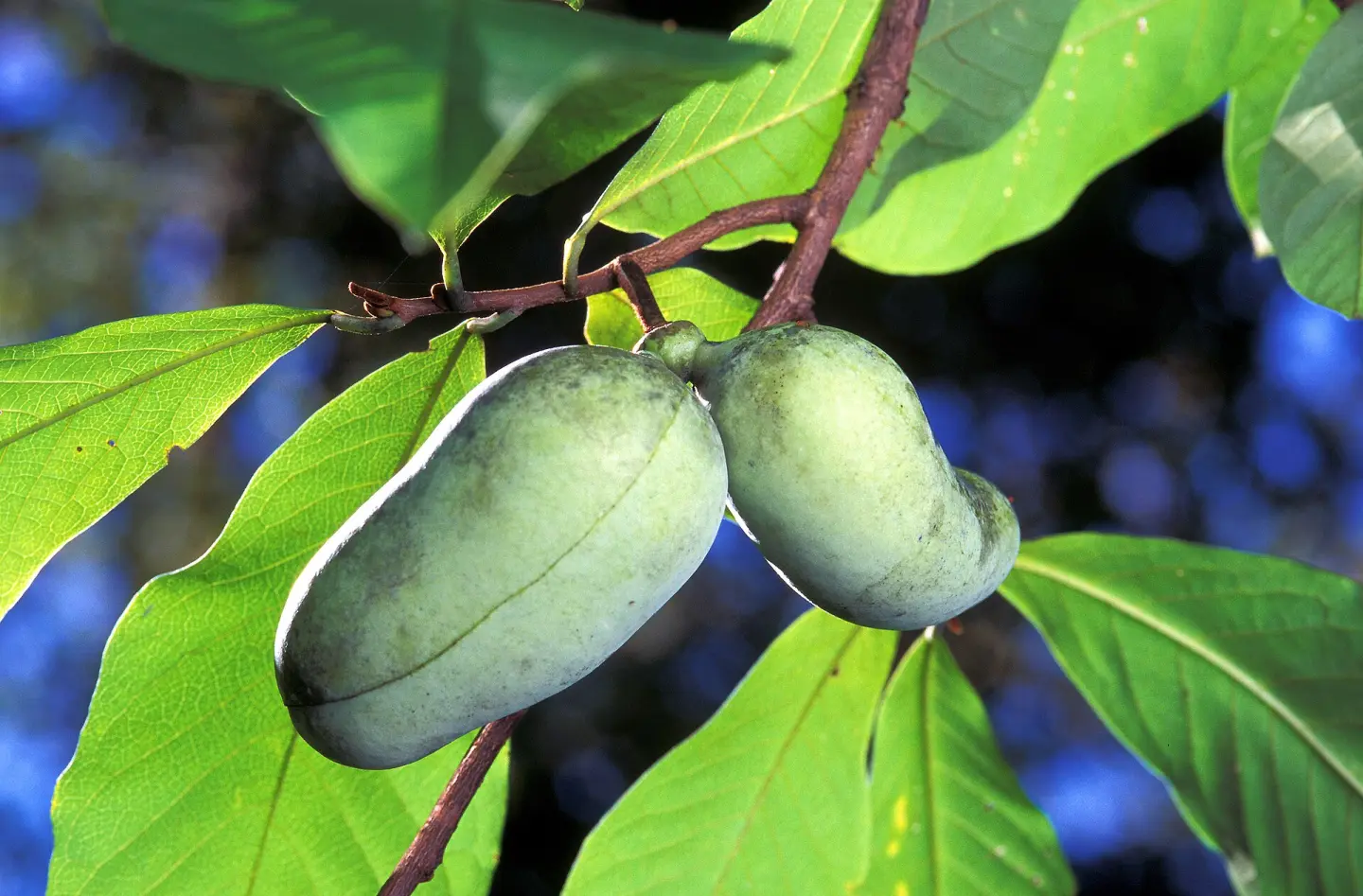
Photo: Scott Bauer, USDA · Public domain, via Wikimedia Commons
Essential Care Requirements
Light
Full sun, Partial sun
Watering
Moderate
Keep moist, especially when young.
Soil
Rich, moist, slightly acidic soil; pH 5.5–7.0.
Temperature and humidity
-30–35 °C · Moderate humidity
Feeding
Feed lightly in spring.
Pruning and propagation
Propagate by seed, grafting
Remove suckers unless you want a thicket.
The ripe flesh is safe for most people, though some are sensitive. The seeds and skin should not be eaten.
Top Cultivation Tips
Plant two unrelated varieties for fruit.
Shade young trees for the first year.
Hand-pollinate with a brush for better crops.
Hardy in USDA zones 5–8.