Peach
Prunus persica
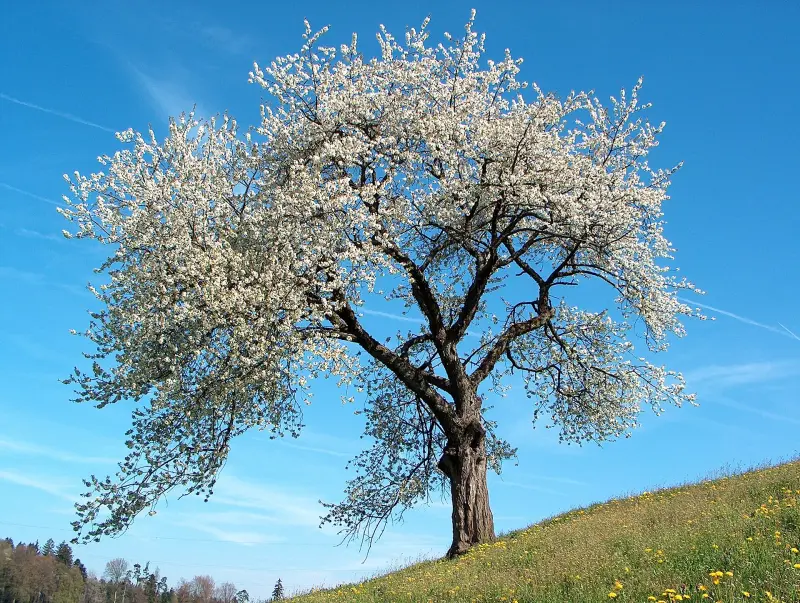
The peach is a small deciduous tree with pink spring blossom and juicy, fragrant fruit. Low-chill varieties such as Florda Prince and Shan-i-Punjab fruit well in the north Indian plains and the lower hills.
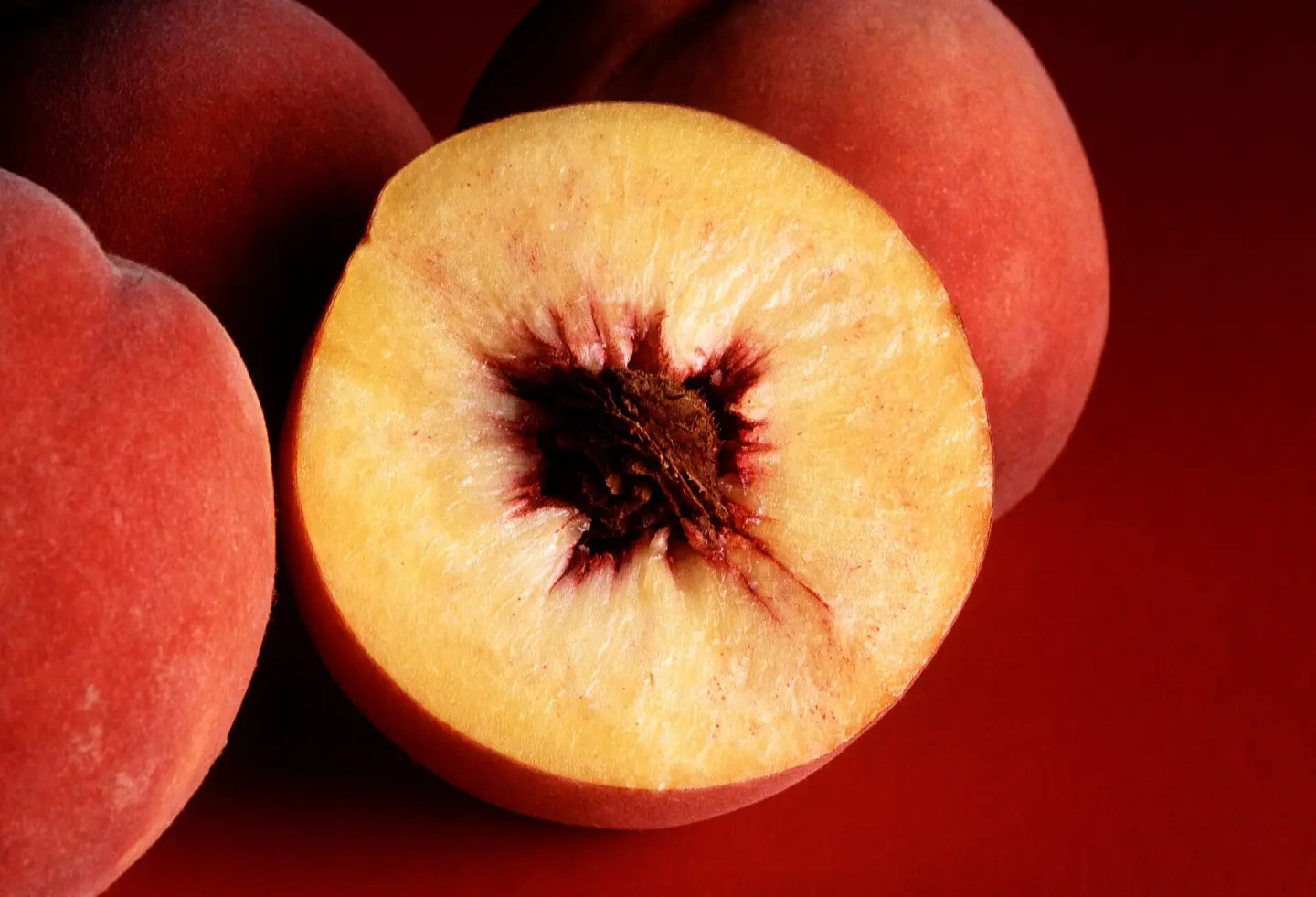
Photo: Jack Dykinga, USDA · Public domain, via Wikimedia Commons
Essential Care Requirements
Light
Full sun
Watering
Moderate
Water regularly from flowering to harvest; dry soil causes small fruit and fruit drop.
Soil
Well-drained sandy loam; pH 6.0–7.0. Peaches dislike heavy, wet soil.
Temperature and humidity
-10–38 °C · Moderate humidity
Feeding
Feed with compost and a balanced fertilizer in late winter.
Pruning and propagation
Propagate by grafting, seed
Prune each winter to an open vase shape; peaches fruit on one-year-old wood. Thin fruit to 15 cm apart.
The flesh is safe. Stones, leaves and stems contain compounds that release cyanide and are harmful to pets.
Top Cultivation Tips
Choose low-chill varieties for the plains.
Thin fruit when marble-sized.
Bag fruit or use traps against fruit flies.
Paint the trunk with lime wash against sunscald.
Common problems
Aphids
Small, soft-bodied insects that cluster on new shoots and buds, sucking sap and leaving sticky honeydew behind.
How to treat it →DiseaseBrown rot
A fungal disease of stone and pome fruit that turns ripening fruit into soft brown rot covered in rings of grey-buff spore pustules.
How to treat it →DiseaseCrown gall
A bacterial disease that forms rough, woody, tumour-like swellings at the base of the stem and on roots of many fruit and ornamental plants.
How to treat it →PestFruit flies
Flies that lay eggs inside ripening fruit; the maggots rot the fruit from within.
How to treat it →DiseaseGummosis
A symptom in citrus, mango and stone fruit trees where sticky gum oozes from the bark, usually in response to disease, pests, wounds or stress.
How to treat it →DiseaseLeaf curl virus
A whitefly-spread virus that makes leaves curl, crinkle and shrink, stunting tomato, chilli and papaya.
How to treat it →DiseaseManganese deficiency
A trace-element shortage that causes yellow patches between green veins on young leaves, often on high-pH, peaty or heavily limed soils.
How to treat it →DiseasePeach leaf curl
A fungal disease that makes young peach, nectarine and almond leaves pucker, thicken and turn red in spring.
How to treat it →PestScale insects
Immobile, shell-covered insects that cling to stems and leaves, draining sap and weakening trees and houseplants.
How to treat it →DiseaseSilver leaf
A fungal disease of plums, cherries and other fruit trees that gives leaves a silvery sheen and kills branches from the inside.
How to treat it →PestSpotted lanternfly
An invasive planthopper that feeds in groups on sap from grapes, fruit trees and many other plants, leaving sticky honeydew and sooty mould.
How to treat it →DiseaseStem canker
Sunken, dead patches of bark on stems and branches caused by fungi or bacteria, which can girdle and kill the shoot above them.
How to treat it →PestStink bugs
Shield-shaped bugs that pierce fruit and pods to feed, leaving pale, corky spots and distorted fruit, and give off a bad smell when disturbed.
How to treat it →PestTent caterpillars
Hairy social caterpillars that build white silk nests in the forks of branches in spring and strip the leaves from fruit and ornamental trees.
How to treat it →DiseaseZinc deficiency
A trace-element shortage that causes small, narrow, yellowing leaves bunched on short shoots, most often on alkaline or sandy soils.
How to treat it →