Phalsa
Grewia asiatica
Phalsa is a small deciduous shrub that bears clusters of tiny, sweet-tart purple berries in early summer, prized for cooling sherbets. It is hardy, quick to fruit and stays a manageable size with yearly pruning.
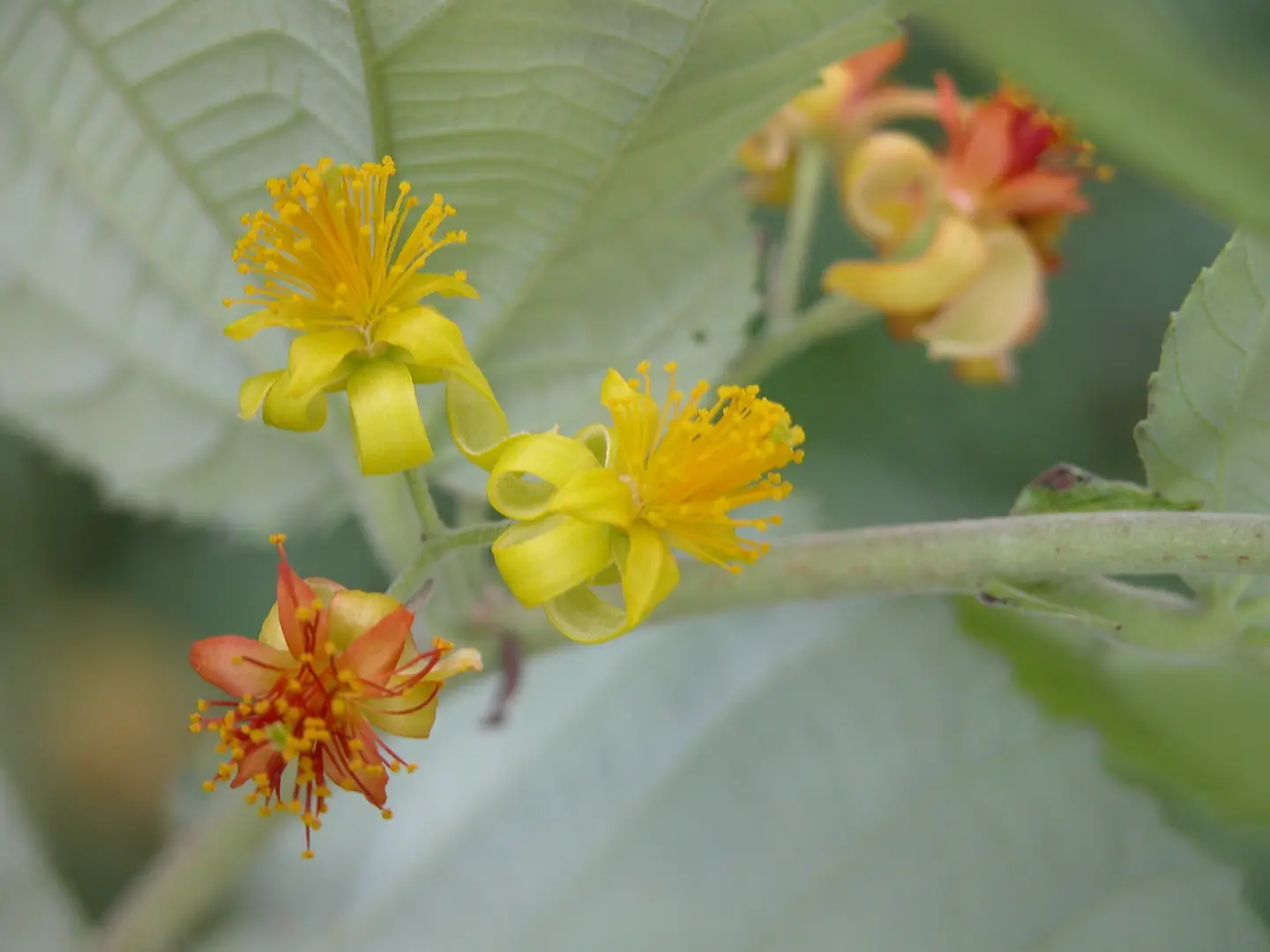
Photo: Asit K. Ghosh Thaumaturgist · CC BY-SA 3.0, via Wikimedia Commons
Essential Care Requirements
Light
Full sun
Watering
Low
Water regularly from flowering to harvest; established plants tolerate dry spells the rest of the year.
Soil
Well-drained loam; tolerates poor and slightly alkaline soils. pH 6.0–8.0.
Temperature and humidity
3–46 °C · Low humidity
Feeding
Apply compost and a balanced fertilizer after the winter pruning.
Pruning and propagation
Propagate by seed, stem cuttings, layering
Prune hard in winter, cutting stems back to about 1 m, as fruit forms on new growth.
The ripe berries are safe to eat.
Top Cultivation Tips
Pick berries every day or two; they ripen unevenly.
Use fruit quickly; it spoils within a day.
Prune in January for a good crop.
Grows well in large containers.
Common problems
Caterpillars
The larvae of moths and butterflies, which chew holes in leaves, flowers and fruit and can strip a plant in days.
How to treat it →DiseaseLeaf spot
Fungal or bacterial infections that cause brown, black or purple spots on leaves, often with a yellow halo, leading to early leaf drop.
How to treat it →PestMealybugs
White, cottony insects that hide in leaf joints and under leaves, weakening plants and spreading easily to neighbours.
How to treat it →