Plum
Prunus salicina
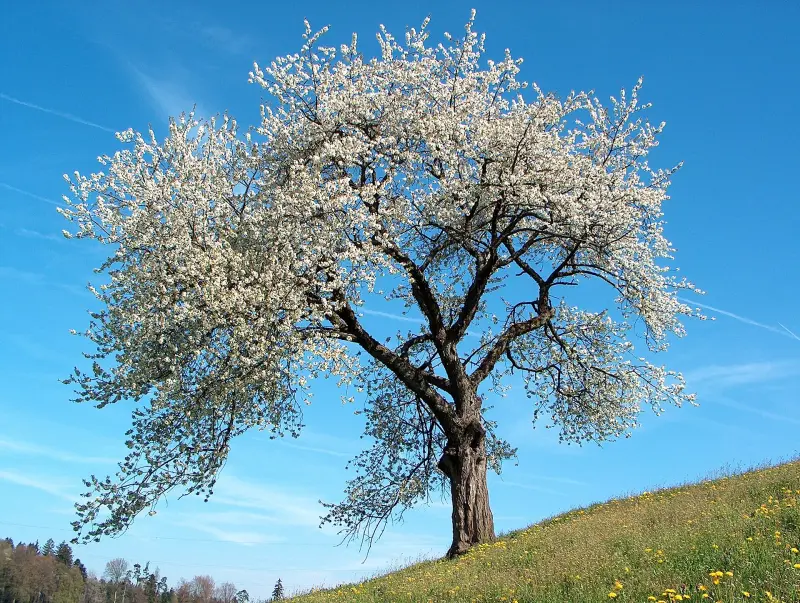
Japanese plums are small deciduous trees with white spring blossom and sweet-tart red or yellow fruit. Low-chill varieties such as Satluj Purple fruit in the north Indian plains, and the trees stay compact with pruning.
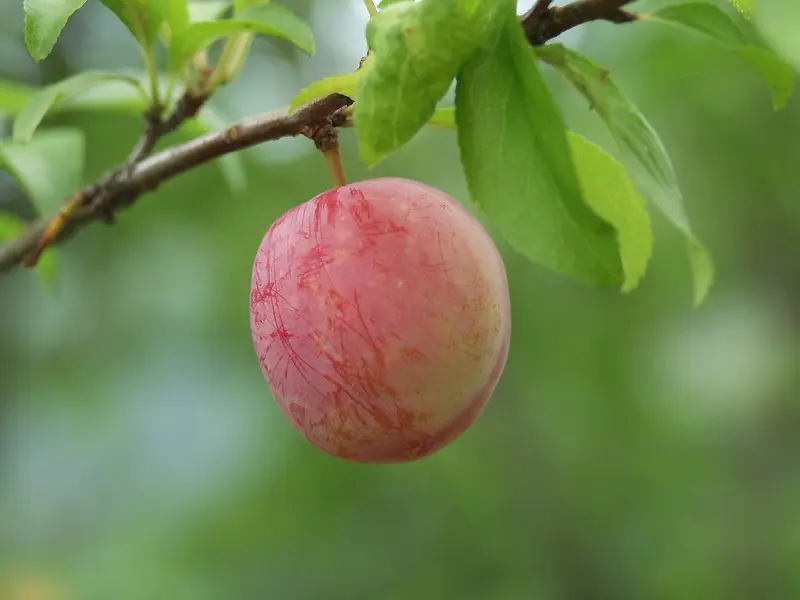
Photo: Zeimusu (Wikimedia Commons) · CC BY-SA 3.0, via Wikimedia Commons
Essential Care Requirements
Light
Full sun
Watering
Moderate
Water regularly from flowering to harvest; reduce in winter.
Soil
Well-drained loam with compost; pH 6.0–7.5.
Temperature and humidity
-10–38 °C · Moderate humidity
Feeding
Feed with compost and a balanced fertilizer in late winter.
Pruning and propagation
Propagate by grafting
Prune in winter to an open vase shape and thin fruit when marble-sized.
The flesh is safe. Stones, leaves and stems contain compounds that release cyanide and are harmful to pets.
Top Cultivation Tips
Plant a second variety for pollination.
Thin fruit for better size.
Net trees against birds.
Pick when fruit gives slightly to pressure.
Common problems
Aphids
Small, soft-bodied insects that cluster on new shoots and buds, sucking sap and leaving sticky honeydew behind.
How to treat it →DiseaseBrown rot
A fungal disease of stone and pome fruit that turns ripening fruit into soft brown rot covered in rings of grey-buff spore pustules.
How to treat it →DiseaseCrown gall
A bacterial disease that forms rough, woody, tumour-like swellings at the base of the stem and on roots of many fruit and ornamental plants.
How to treat it →PestFruit flies
Flies that lay eggs inside ripening fruit; the maggots rot the fruit from within.
How to treat it →DiseaseGummosis
A symptom in citrus, mango and stone fruit trees where sticky gum oozes from the bark, usually in response to disease, pests, wounds or stress.
How to treat it →PestMealy plum aphid
A pale green aphid dusted with white powder that colonises the undersides of plum and damson leaves in spring and summer.
How to treat it →DiseaseRust
A fungal disease that forms orange, brown or yellow powdery pustules, mainly on leaf undersides.
How to treat it →DiseaseSilver leaf
A fungal disease of plums, cherries and other fruit trees that gives leaves a silvery sheen and kills branches from the inside.
How to treat it →PestSpotted lanternfly
An invasive planthopper that feeds in groups on sap from grapes, fruit trees and many other plants, leaving sticky honeydew and sooty mould.
How to treat it →DiseaseStem canker
Sunken, dead patches of bark on stems and branches caused by fungi or bacteria, which can girdle and kill the shoot above them.
How to treat it →PestTent caterpillars
Hairy social caterpillars that build white silk nests in the forks of branches in spring and strip the leaves from fruit and ornamental trees.
How to treat it →