Pomelo
Citrus maxima
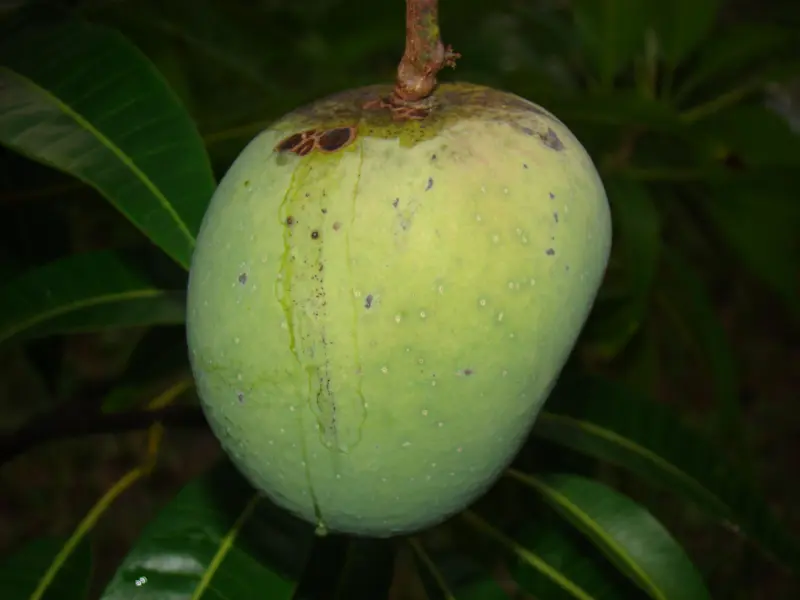
Pomelo is the largest citrus fruit, with a thick rind and sweet, mildly tangy segments, often pink inside. The tree is large and handsome with fragrant blossom and is a much-loved backyard tree in Bengal.
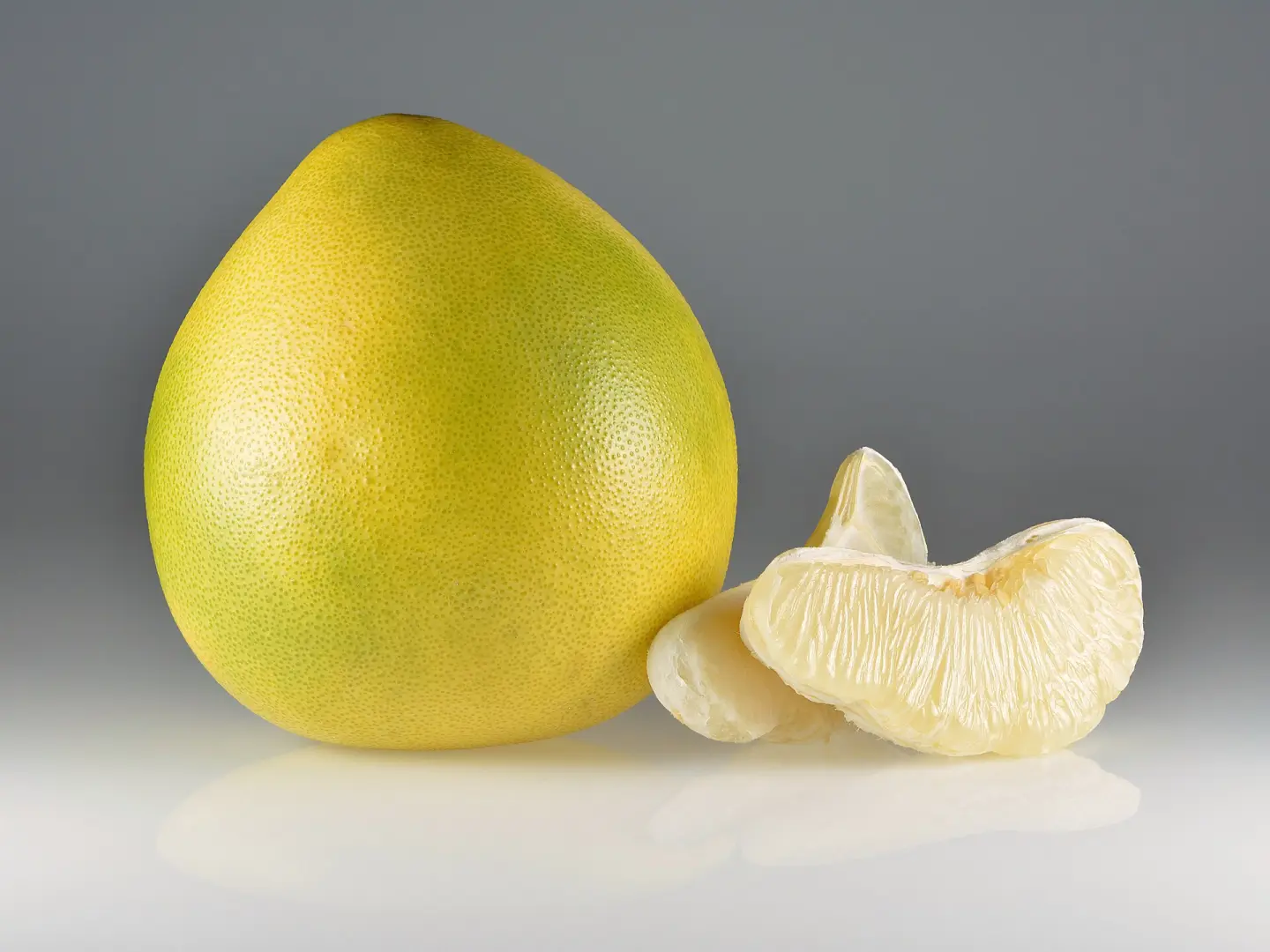
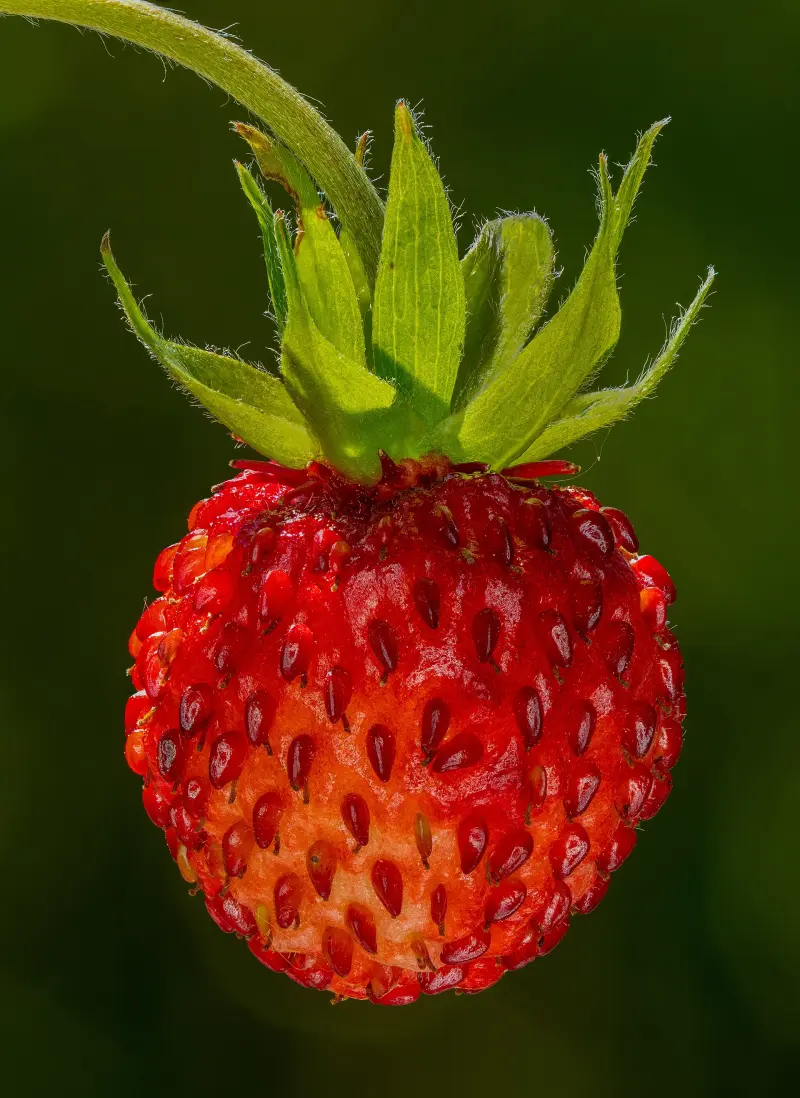
Photo: Ivar Leidus · CC BY-SA 4.0, via Wikimedia Commons
Essential Care Requirements
Light
Full sun
Watering
Moderate
Water regularly while fruit is growing; reduce slightly in winter.
Soil
Deep, well-drained loam; pH 5.5–7.0.
Temperature and humidity
5–40 °C · High humidity
Feeding
Feed with compost and a citrus fertilizer before the monsoon and after it.
Pruning and propagation
Propagate by air layering, grafting, seed
Remove dead and crossing branches and suckers from below the graft after harvest.
The fruit is safe, but like grapefruit it can interact with some medicines. Citrus oils can upset the stomachs of pets.
Top Cultivation Tips
Air-layered plants fruit in 3–4 years.
Fruit is ripe when it feels heavy and the rind turns yellowish.
Plant in the ground; it gets large.
The pith can be candied.
Common problems
Citrus canker
A bacterial disease of lemon and lime that causes raised, corky spots with yellow halos on leaves, twigs and fruit.
How to treat it →DiseaseCitrus greening
A serious bacterial disease of citrus spread by the Asian citrus psyllid that causes blotchy yellow leaves and small, bitter, misshapen fruit.
How to treat it →PestCitrus psyllid
Tiny sap-sucking insects on new citrus shoots that cause curled leaves and can spread greening, a serious incurable disease.
How to treat it →PestFruit flies
Flies that lay eggs inside ripening fruit; the maggots rot the fruit from within.
How to treat it →PestLeaf miners
Larvae of small flies and moths that tunnel inside leaves, leaving pale, winding trails.
How to treat it →