Quince
Cydonia oblonga
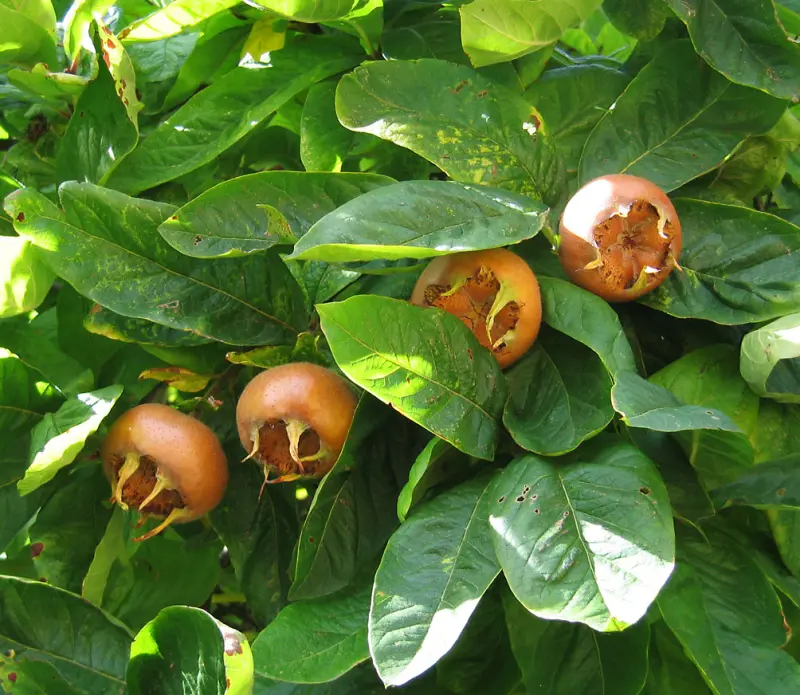
Quince is a small, picturesque tree with large pink-white blossoms and golden, fragrant fruit that is too hard to eat raw but turns pink and aromatic when cooked into jelly, membrillo and pies.
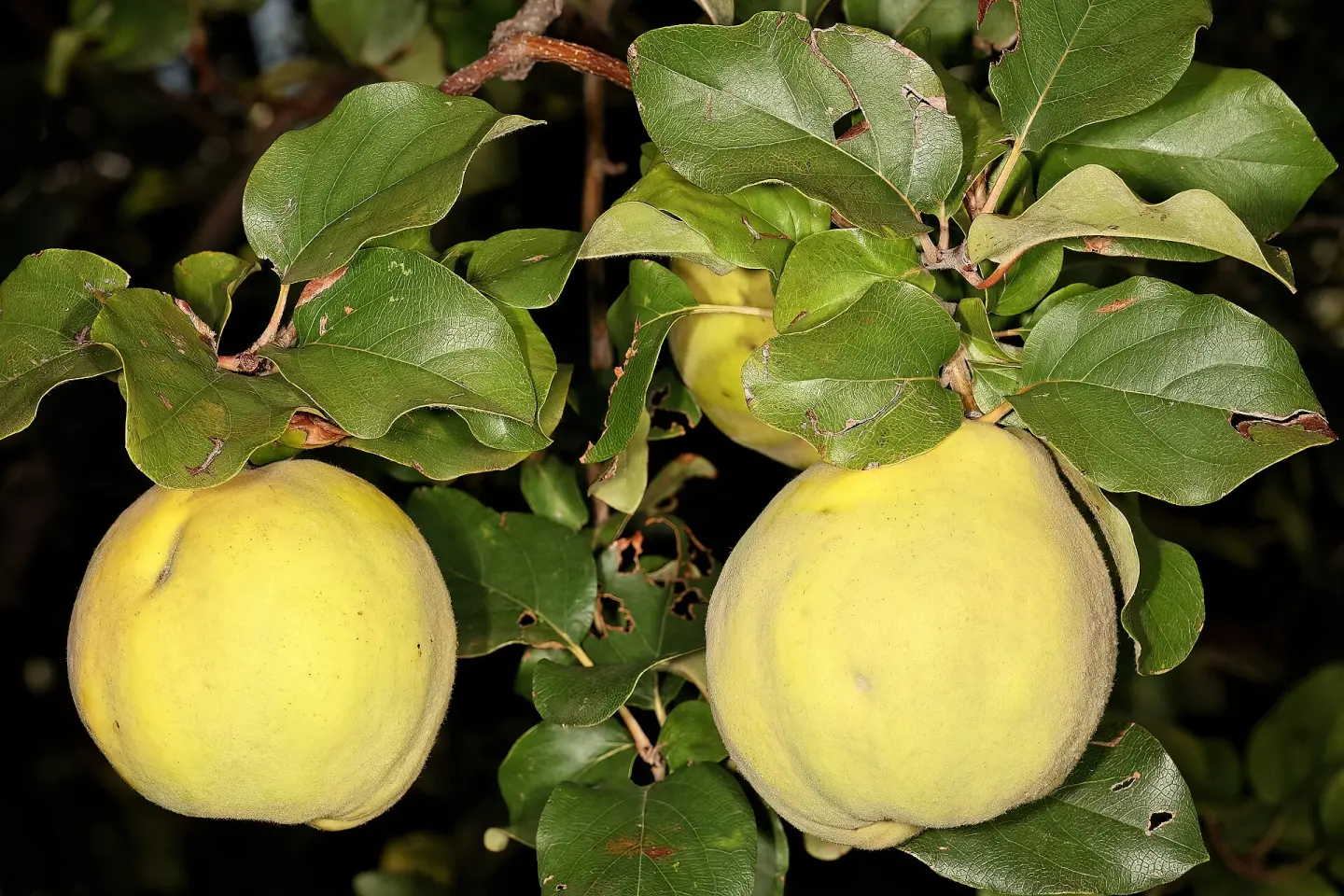
Photo: SAplants · CC BY-SA 4.0, via Wikimedia Commons
Essential Care Requirements
Light
Full sun
Watering
Moderate
Water in dry spells, especially as fruit swells.
Soil
Deep, moist, fertile soil; pH 6.0–7.0.
Temperature and humidity
-25–35 °C · Moderate humidity
Feeding
Feed in late winter with a balanced fertilizer.
Pruning and propagation
Propagate by grafting, stem cuttings, layering
Prune lightly in winter to keep an open shape.
The cooked fruit is safe; the seeds should not be eaten.
Top Cultivation Tips
Self-fertile, so one tree is enough.
Store fruit away from apples; it perfumes them.
Pick before the first frost.
Hardy in USDA zones 5–9.
Common problems
Cedar apple rust
A fungal disease that alternates between juniper or red cedar and apple trees, causing bright orange spots on apple leaves and fruit.
How to treat it →PestCodling moth
Caterpillars of a small moth that tunnel into apples and pears, leaving a hole and brown, frass-filled tunnels to the core.
How to treat it →DiseaseFire blight
A bacterial disease of apples, pears and related plants that makes blossoms, shoots and branches look scorched by fire.
How to treat it →DiseaseLeaf spot
Fungal or bacterial infections that cause brown, black or purple spots on leaves, often with a yellow halo, leading to early leaf drop.
How to treat it →