Raspberry
Rubus idaeus
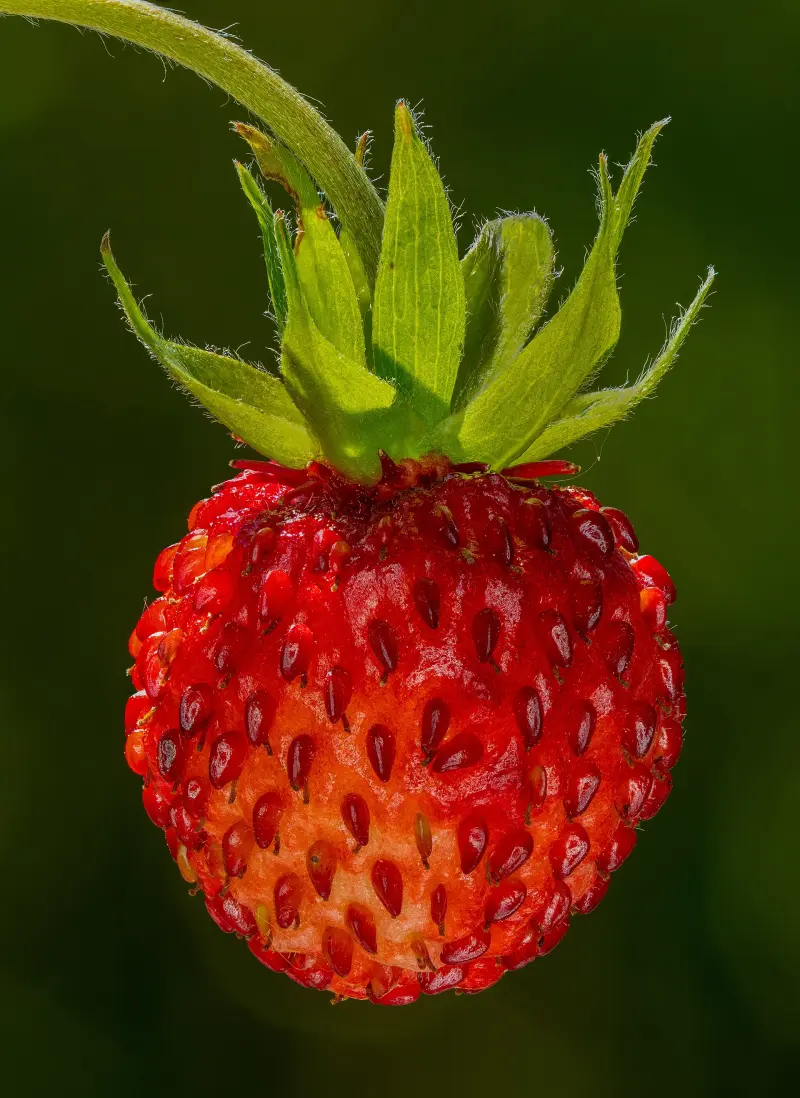
Raspberries are cane fruits with soft, sweet, red berries. They grow best in the hills with cool summers, where autumn-fruiting varieties are easiest to manage.
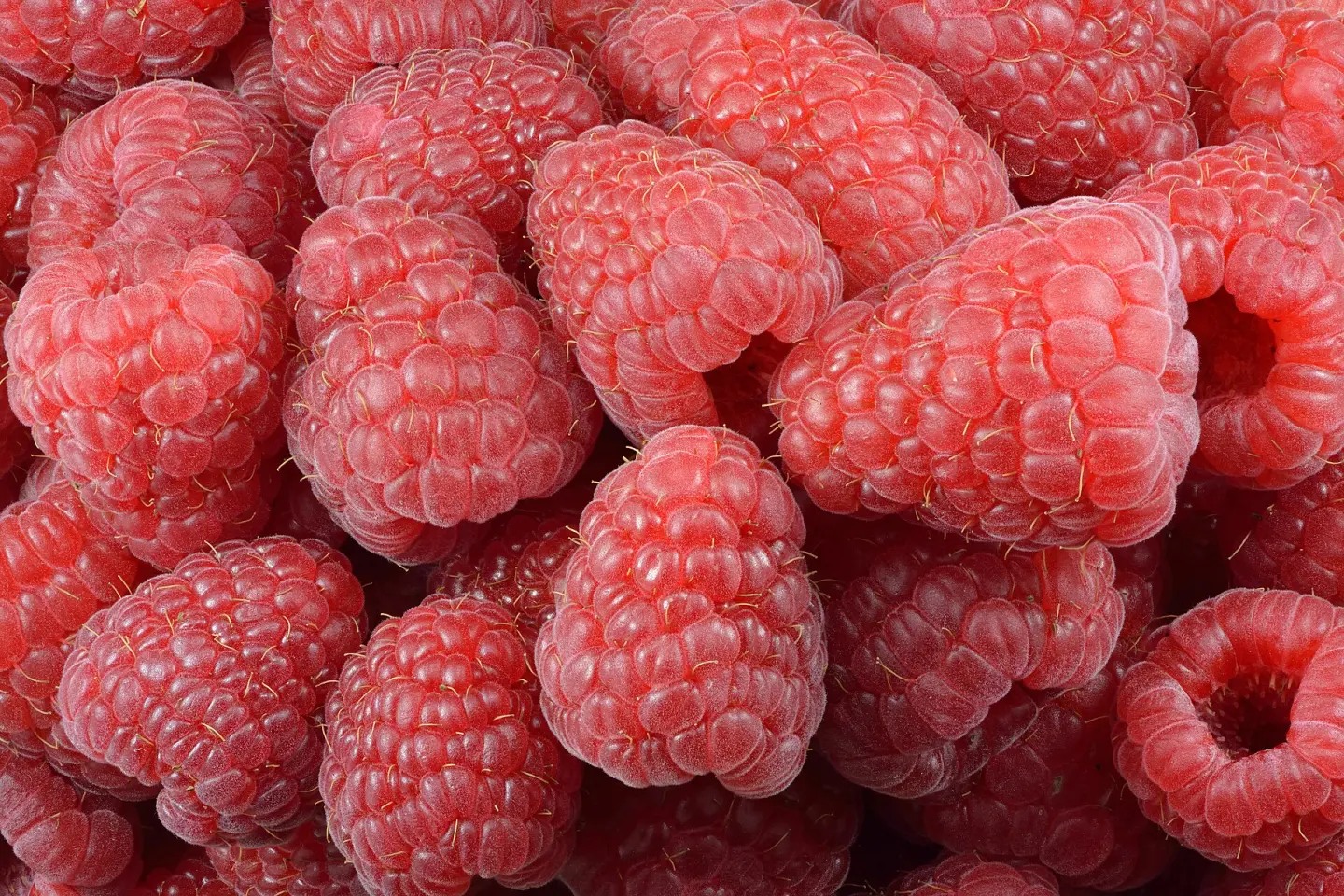
Photo: Ivar Leidus · CC BY-SA 4.0, via Wikimedia Commons
Essential Care Requirements
Light
Full sun, Partial sun
Watering
Moderate
Water regularly while fruit develops; mulch to keep roots cool and moist.
Soil
Rich, well-drained, slightly acidic soil; pH 5.5–6.5.
Temperature and humidity
-15–30 °C · Moderate humidity
Feeding
Feed with compost and a balanced fertilizer in early spring.
Pruning and propagation
Propagate by division, layering
Cut autumn-fruiting canes to the ground in winter. For summer types, cut canes that have fruited and tie in new ones.
Raspberries are safe for people and pets.
Top Cultivation Tips
Support canes on wires.
Pick berries when they pull easily from the core.
Remove suckers outside the row.
Net against birds.
Common problems
Aphids
Small, soft-bodied insects that cluster on new shoots and buds, sucking sap and leaving sticky honeydew behind.
How to treat it →PestBirds pecking fruit
Birds that peck at ripening soft fruit, taking bites or whole berries just as they are ready to pick.
How to treat it →DiseaseCrown gall
A bacterial disease that forms rough, woody, tumour-like swellings at the base of the stem and on roots of many fruit and ornamental plants.
How to treat it →DiseaseGrey mould
A fungal rot that covers flowers, fruit and soft stems with fuzzy grey mould in cool, damp conditions.
How to treat it →PestJapanese beetle
Metallic green and copper beetles that skeletonise leaves and devour flowers in summer, while their grubs feed on lawn roots.
How to treat it →DiseaseManganese deficiency
A trace-element shortage that causes yellow patches between green veins on young leaves, often on high-pH, peaty or heavily limed soils.
How to treat it →PestSpider mites
Tiny sap-sucking mites that thrive in hot, dry conditions, causing speckled, dull leaves and fine webbing.
How to treat it →