Snake Plant
Dracaena trifasciata
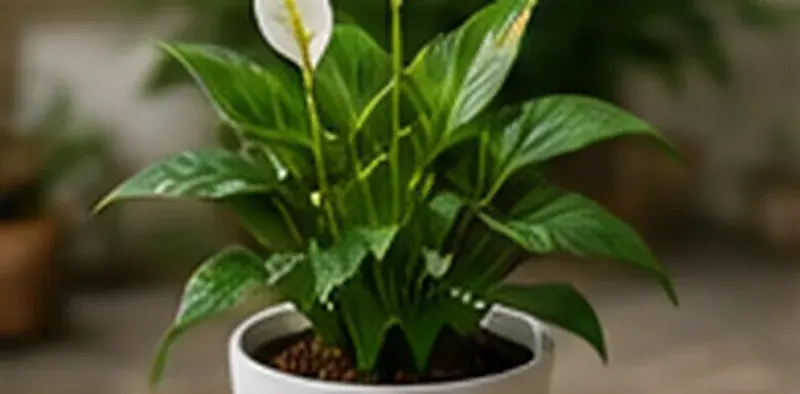
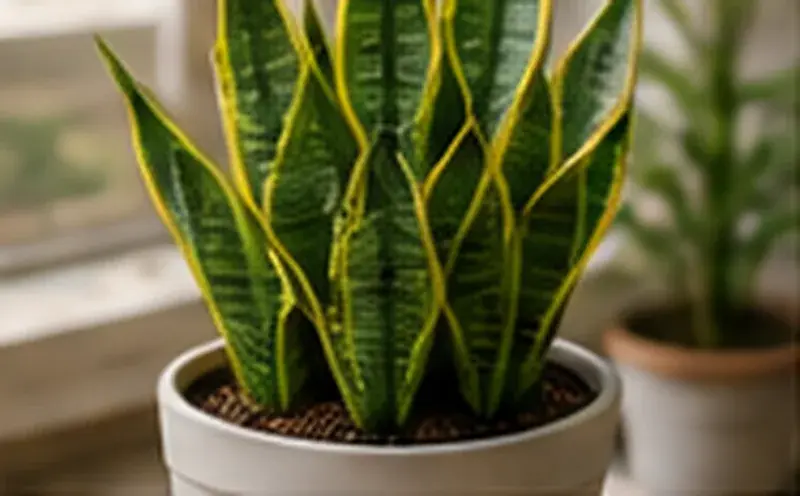
The snake plant has stiff, upright, sword-shaped leaves, often banded or edged in yellow. It is one of the toughest houseplants, coping with low light, dry air and irregular watering, which makes it ideal for bedrooms, offices and beginners.
Essential Care Requirements
Light
Bright indirect light, Low light, Partial sun
Watering
Low
Water only when the soil has dried out completely, about every two to three weeks in summer and every four to six weeks in winter. Water around the edge of the pot rather than into the centre of the rosette.
Soil
A free-draining succulent mix or potting soil with plenty of perlite or coarse sand.
Temperature and humidity
10–35 °C · Low humidity
Feeding
Feed two or three times in spring and summer with a balanced liquid fertilizer at half strength.
Pruning and propagation
Propagate by division, leaf cuttings
Cut damaged leaves off at soil level. Divide crowded plants when repotting every two to three years.
Contains saponins that can cause nausea, vomiting and drooling in cats and dogs if chewed.
Top Cultivation Tips
Leaf cuttings of variegated types lose the yellow edge; divide them instead.
Wipe leaves with a damp cloth to remove dust.
Mushy leaves at the base mean overwatering.
Tolerates low light but grows faster in bright light.
Common problems
Fungus gnats
Small dark flies that hover around houseplants; their larvae live in damp potting soil and can damage roots and seedlings.
How to treat it →DiseaseLow light problems
Slow, weak growth, pale or fading leaf colour and leaf drop in plants kept in a spot that is too dim for them.
How to treat it →PestMealybugs
White, cottony insects that hide in leaf joints and under leaves, weakening plants and spreading easily to neighbours.
How to treat it →DiseaseOverwatering
Too much water, or water that cannot drain away, starves roots of air and is the most common cause of houseplant death.
How to treat it →DiseaseRoot rot
Roots decay in waterlogged soil, so the plant wilts and yellows even though the soil is wet.
How to treat it →