Star Gooseberry
Phyllanthus acidus
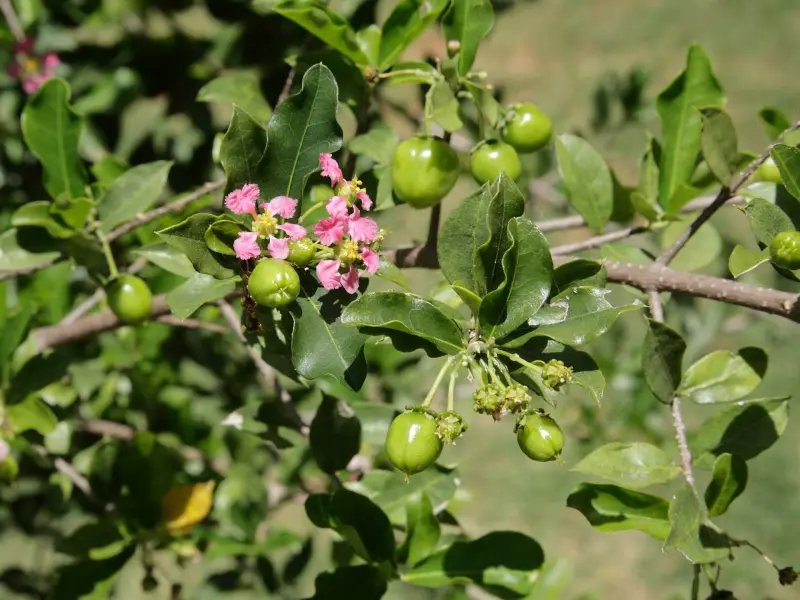
A small tropical tree with feathery leaves and clusters of pale yellow, ribbed, sour fruits that grow in bunches directly on the branches. The fruit is eaten raw with salt, pickled or made into preserves, and is full of vitamin C.
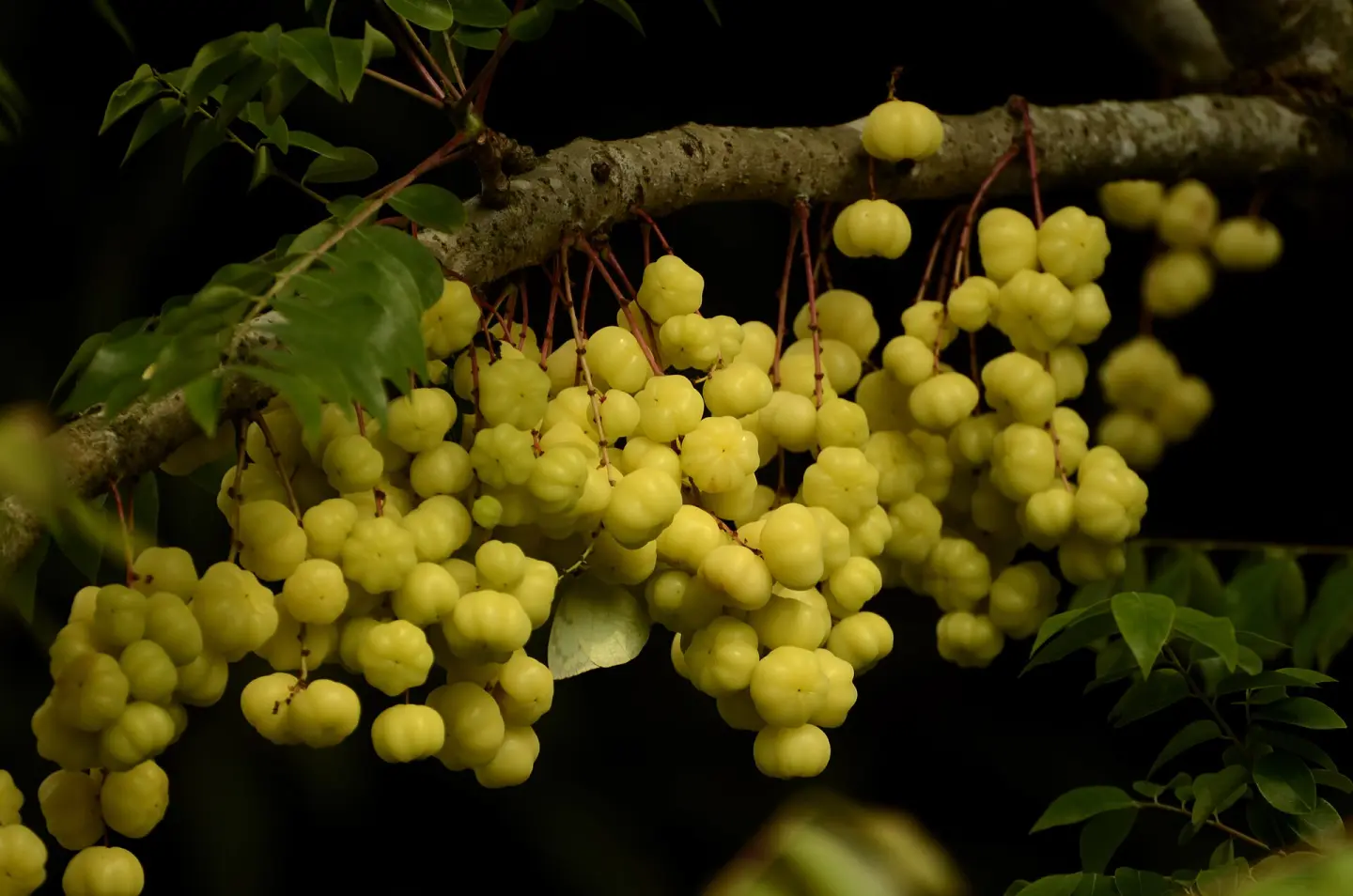
Photo: PJeganathan · CC BY-SA 4.0, via Wikimedia Commons
Essential Care Requirements
Light
Full sun, Partial sun
Watering
Moderate
Water regularly while young. Mature trees tolerate dry spells but fruit better with watering during flowering.
Soil
Moist, well-drained loam with compost; pH 5.5 to 7.5.
Temperature and humidity
10–38 °C · High humidity
Feeding
Apply compost or manure twice a year and a balanced fertilizer at the start of the rains.
Pruning and propagation
Propagate by seed, air layering, stem cuttings
Prune after harvest to remove crossing branches and keep the tree about 3 to 4 m tall.
Fruit is edible but very sour. Raw leaves and roots are not eaten.
Top Cultivation Tips
Pick fruit when pale yellow and firm.
Fruit appears on bare wood, so avoid heavy pruning of old branches.
Shelter the tree from strong wind.
Fresh seed germinates within a few weeks.
Common problems
Fruit flies
Flies that lay eggs inside ripening fruit; the maggots rot the fruit from within.
How to treat it →DiseaseLeaf spot
Fungal or bacterial infections that cause brown, black or purple spots on leaves, often with a yellow halo, leading to early leaf drop.
How to treat it →PestMealybugs
White, cottony insects that hide in leaf joints and under leaves, weakening plants and spreading easily to neighbours.
How to treat it →PestScale insects
Immobile, shell-covered insects that cling to stems and leaves, draining sap and weakening trees and houseplants.
How to treat it →