Arugula
Eruca vesicaria subsp. sativa
Arugula is a fast salad green with peppery, nutty leaves, ready to pick about three weeks after sowing. It grows happily in small pots and window boxes in the cool season.
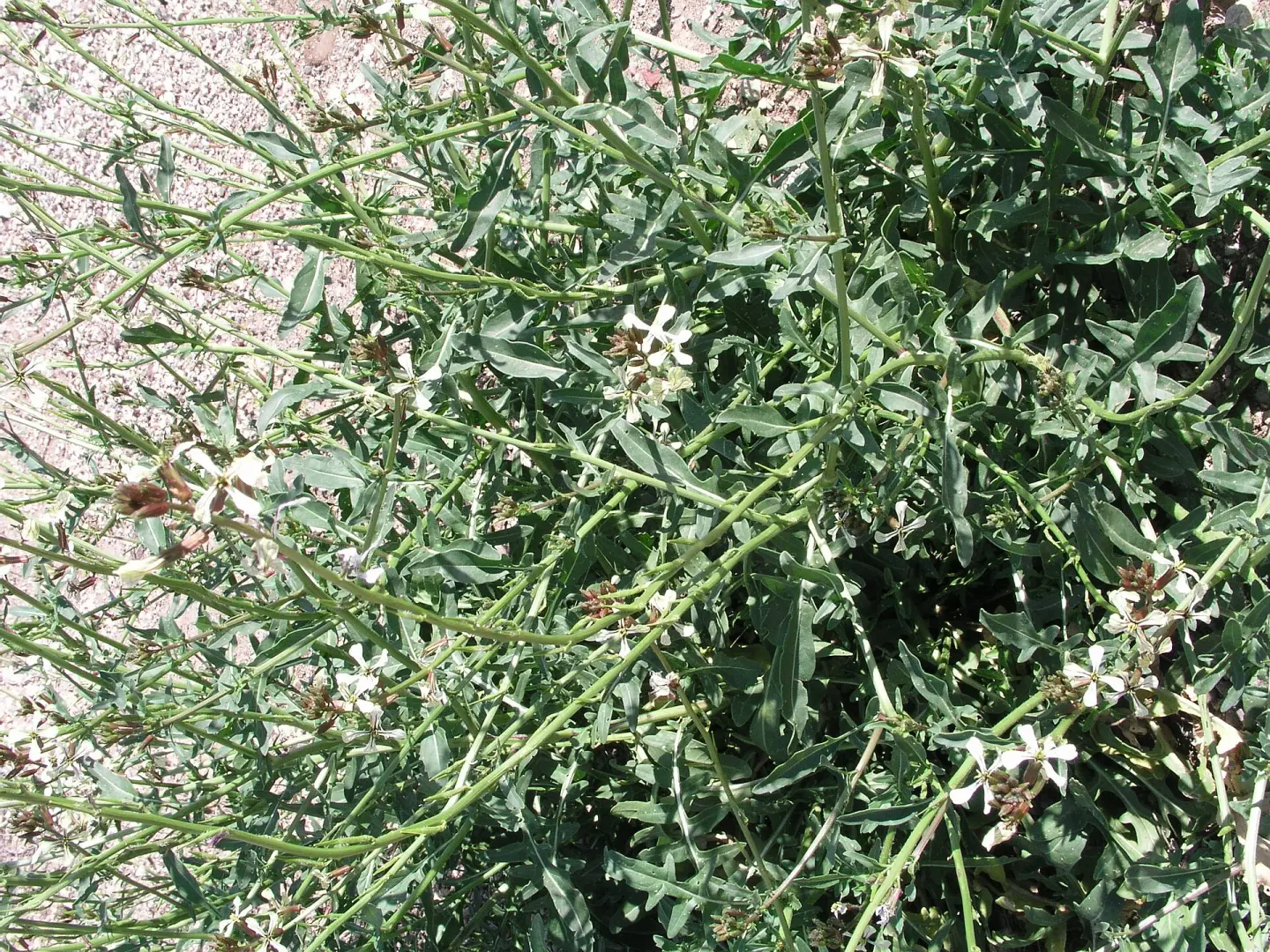
Photo: Betty Alex (US National Park Service) · Public domain, via Wikimedia Commons
Essential Care Requirements
Light
Full sun, Partial sun
Watering
Moderate
Keep the soil moist; dry soil makes the leaves very hot and causes bolting.
Soil
Fertile, well-drained soil; pH 6.0–7.0.
Temperature and humidity
5–25 °C · Moderate humidity
Feeding
Light feeding with compost tea every few weeks.
Pruning and propagation
Propagate by seed
Cut outer leaves or shear the whole plant 3 cm above the soil for regrowth.
Arugula is safe to eat.
Top Cultivation Tips
Sow small amounts every two weeks.
The flowers are edible too.
Give afternoon shade as days warm up.
Pick young leaves for the mildest flavour.
Common problems
Aphids
Small, soft-bodied insects that cluster on new shoots and buds, sucking sap and leaving sticky honeydew behind.
How to treat it →DiseaseBolting
When leafy or root crops send up a flower stalk too early, which makes leaves bitter and roots woody.
How to treat it →PestCaterpillars
The larvae of moths and butterflies, which chew holes in leaves, flowers and fruit and can strip a plant in days.
How to treat it →PestFlea beetles
Tiny, shiny jumping beetles that pepper the leaves of brassicas, radishes and aubergines with small holes.
How to treat it →PestSnails and slugs
Night-feeding molluscs that chew ragged holes in leaves, seedlings and soft stems, especially in wet weather.
How to treat it →