Asiatic Lily
Lilium Asiatic hybrids
Asiatic lilies grow from bulbs and produce upright stems with large, star-shaped flowers in bright colours in early summer. They are easy, multiply quickly and make superb cut flowers. Oriental lilies are later, larger and strongly scented.
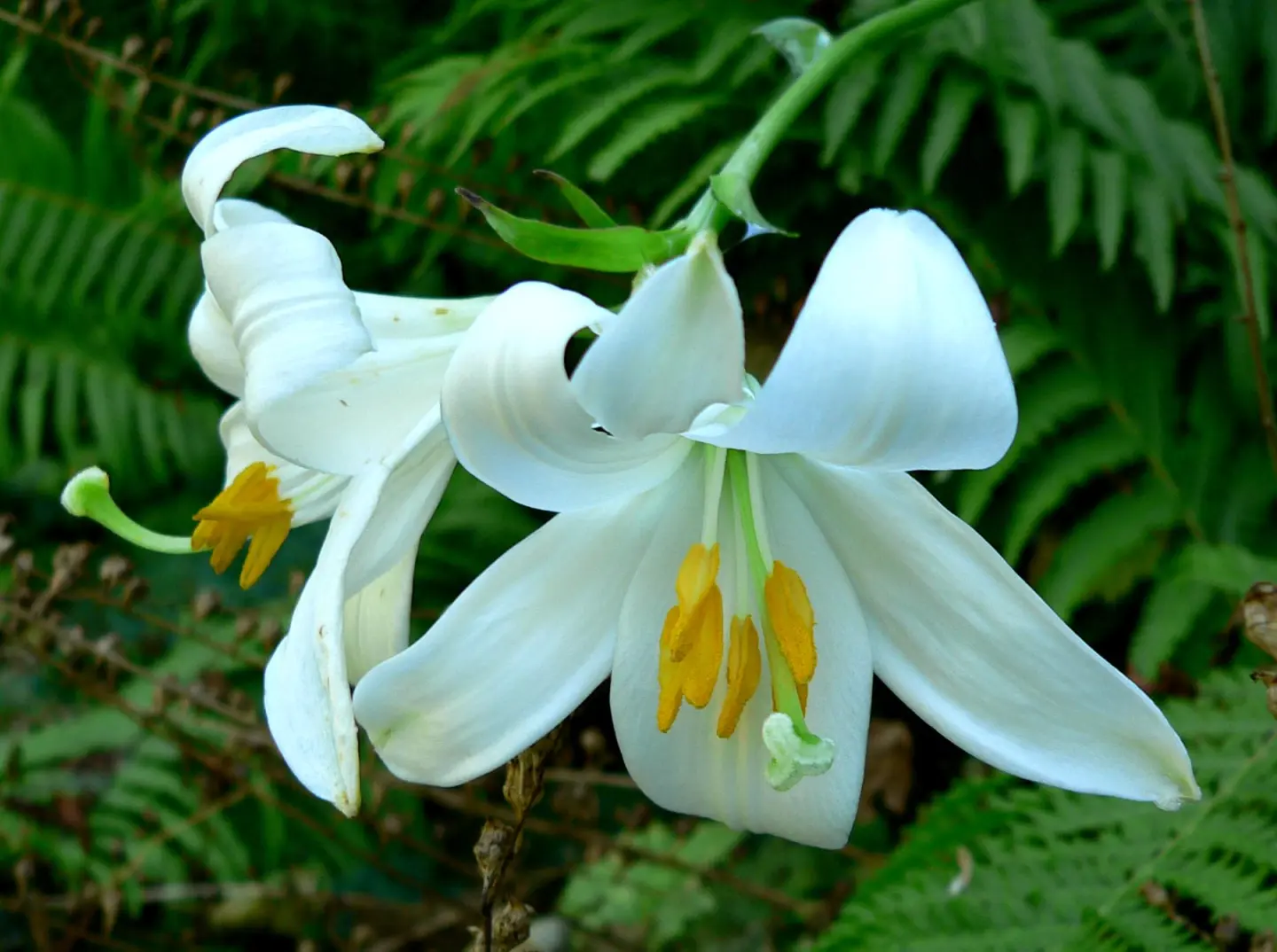
Photo: Stan Shebs · CC BY-SA 3.0, via Wikimedia Commons
Essential Care Requirements
Light
Full sun, Partial sun
Watering
Moderate
Keep the soil evenly moist while growing; avoid waterlogging.
Soil
Well-drained, humus-rich soil; pH 6.0–6.5.
Temperature and humidity
-30–32 °C · Moderate humidity
Feeding
Feed with a potassium-rich fertilizer as shoots grow.
Pruning and propagation
Propagate by offsets, division
Deadhead, and leave the stem until it yellows to feed the bulb.
True lilies are extremely toxic to cats: even pollen or vase water can cause fatal kidney failure. Keep lilies out of homes with cats.
Top Cultivation Tips
Plant bulbs deep, about 15 cm.
Keep roots shaded and heads in sun.
Remove pollen-laden anthers from cut flowers.
Watch for red lily beetles in temperate regions.
Common problems
Aphids
Small, soft-bodied insects that cluster on new shoots and buds, sucking sap and leaving sticky honeydew behind.
How to treat it →PestCaterpillars
The larvae of moths and butterflies, which chew holes in leaves, flowers and fruit and can strip a plant in days.
How to treat it →DiseaseCucumber mosaic virus
An aphid-spread virus that causes mottled, puckered leaves and stunted plants in cucumbers, melons, squash and many other plants.
How to treat it →DiseaseGrey mould
A fungal rot that covers flowers, fruit and soft stems with fuzzy grey mould in cool, damp conditions.
How to treat it →PestLily beetle
Bright red beetles and their dung-covered larvae that strip the leaves and flowers of lilies and fritillaries.
How to treat it →