Bearded Iris
Iris germanica and hybrids
Bearded irises grow from thick rhizomes and produce sword-shaped leaves and ruffled flowers with fuzzy "beards" in late spring, in every colour except true red. They thrive in sun and dry conditions.
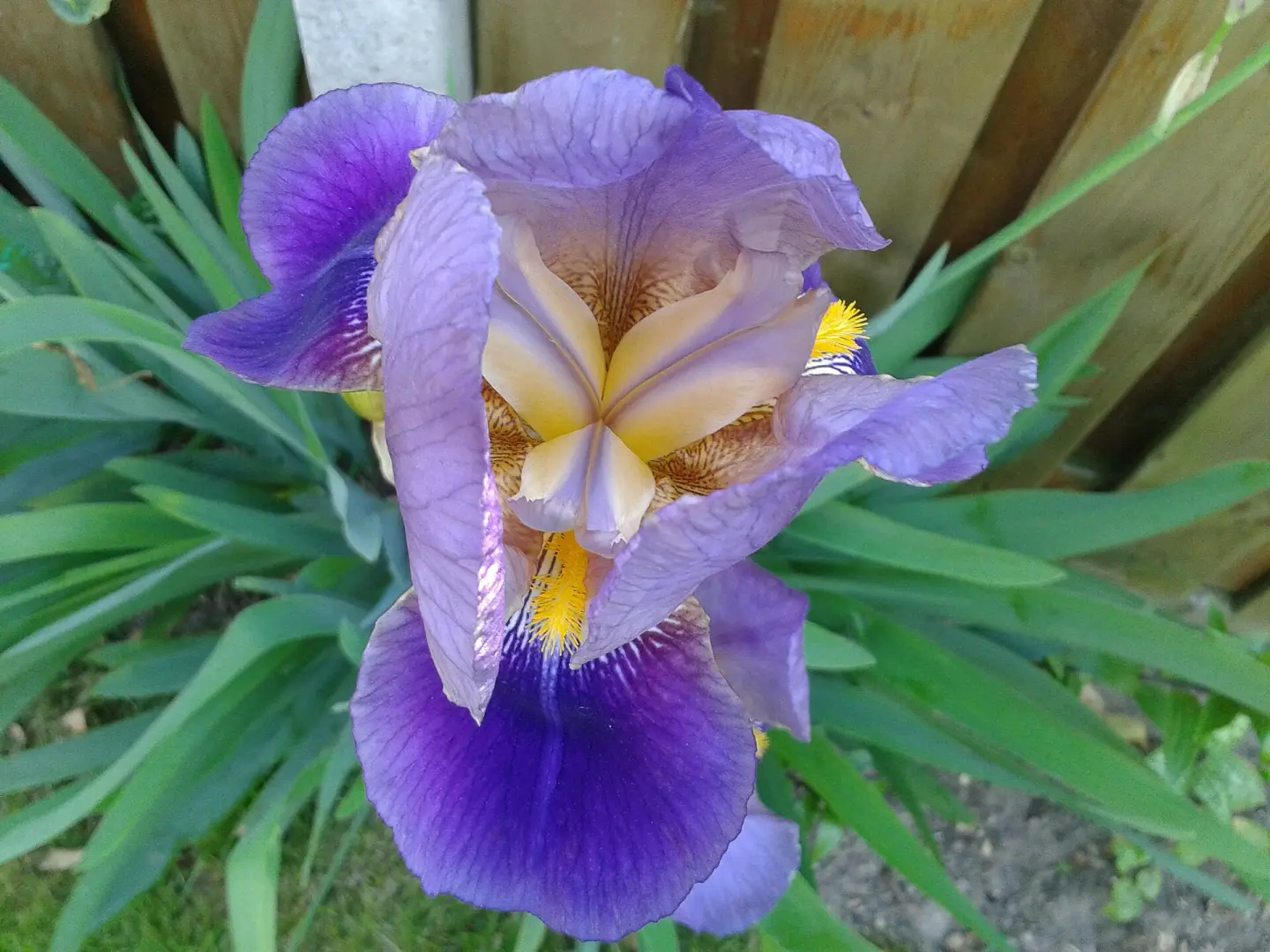
Photo: User:GinoMM · CC BY-SA 3.0, via Wikimedia Commons
Essential Care Requirements
Light
Full sun
Watering
Low
Water new plantings; established plants need water only in long dry spells.
Soil
Well-drained, neutral soil; pH 6.5–7.5.
Temperature and humidity
-30–38 °C · Low humidity
Feeding
Feed lightly with a low-nitrogen fertilizer in spring.
Pruning and propagation
Propagate by division
Cut flower stems after blooming and trim leaves into a fan in late summer.
The rhizomes are toxic if eaten and the sap can irritate skin.
Top Cultivation Tips
Plant rhizomes with their tops exposed to the sun.
Divide every 3–4 years after flowering.
Do not mulch over the rhizomes.
Rebloomers flower again in autumn.
Common problems
Aphids
Small, soft-bodied insects that cluster on new shoots and buds, sucking sap and leaving sticky honeydew behind.
How to treat it →DiseaseBacterial soft rot
A bacterial rot that turns fleshy roots, bulbs, stems and leaves into wet, slimy, foul-smelling mush.
How to treat it →DiseaseLeaf spot
Fungal or bacterial infections that cause brown, black or purple spots on leaves, often with a yellow halo, leading to early leaf drop.
How to treat it →DiseaseRoot rot
Roots decay in waterlogged soil, so the plant wilts and yellows even though the soil is wet.
How to treat it →