Bee Balm
Monarda didyma and hybrids
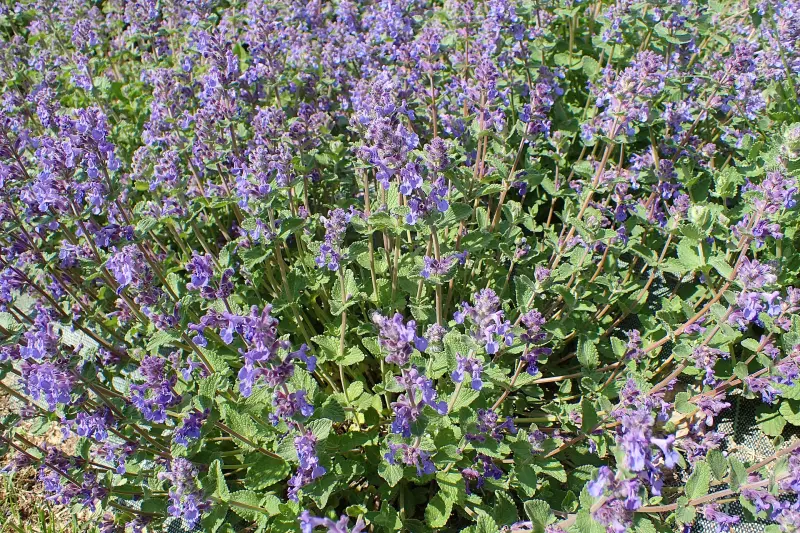
Bee balm is a North American native perennial with aromatic leaves and shaggy red, pink or purple flowers that attract bees, butterflies and hummingbirds. The leaves make a tea.
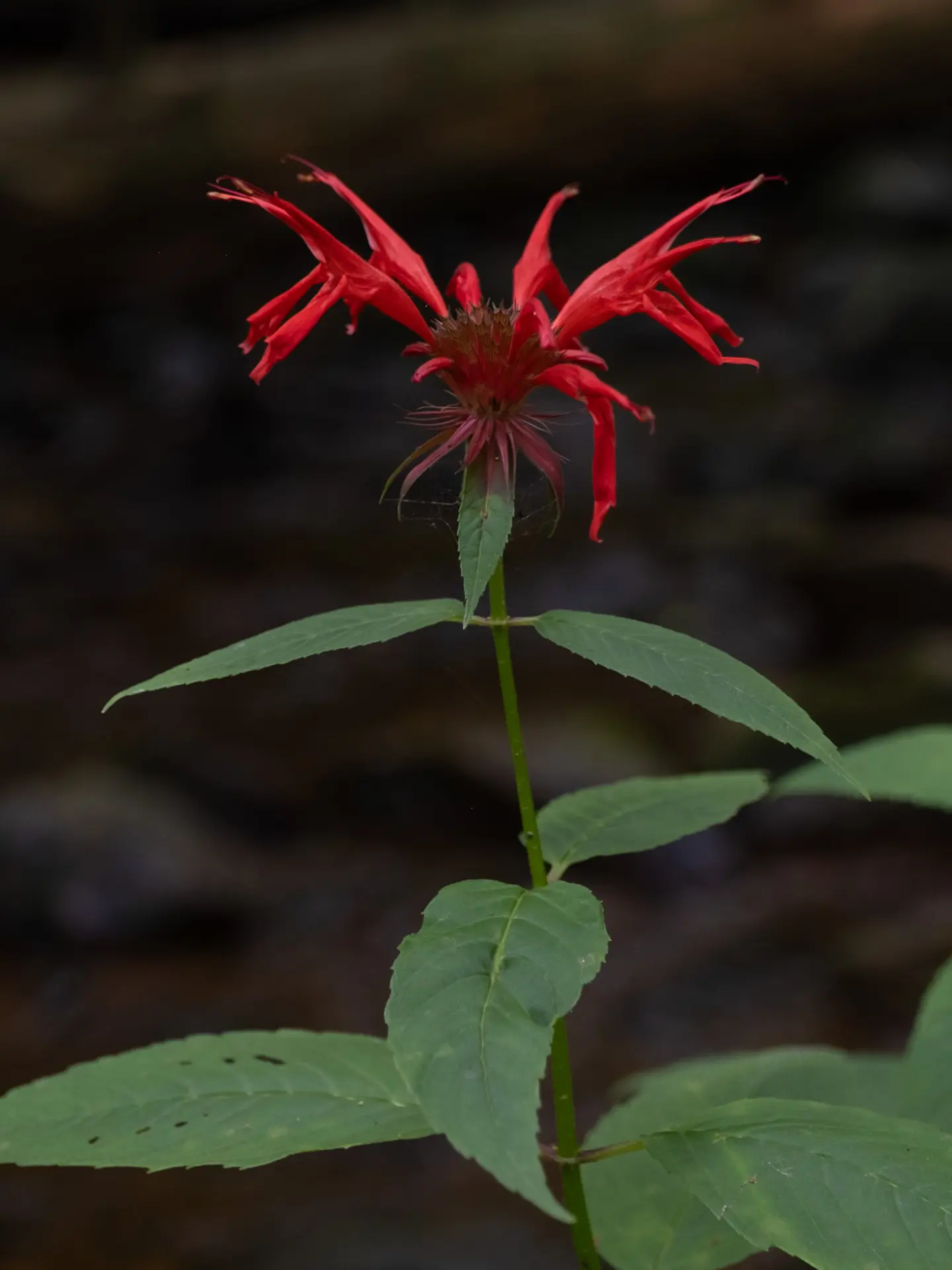
Photo: Alex Abair · CC BY 4.0, via Wikimedia Commons
Essential Care Requirements
Light
Full sun, Partial sun
Watering
Moderate
Keep the soil evenly moist; drought stress encourages mildew.
Soil
Moist, fertile soil; pH 6.0–7.0.
Temperature and humidity
-35–35 °C · Moderate humidity
Feeding
Feed lightly in spring.
Pruning and propagation
Propagate by division, stem cuttings, seed
Deadhead for more flowers; thin crowded stems for airflow.
Bee balm is not toxic; the leaves and flowers are edible.
Top Cultivation Tips
Choose mildew-resistant varieties.
Divide every 2–3 years; it spreads.
Hummingbirds love red varieties.
Hardy in USDA zones 4–9.
Common problems
Powdery mildew
A fungal disease that coats leaves, buds and young shoots with a white, flour-like dust, weakening the plant and spoiling flowers and fruit.
How to treat it →DiseaseRust
A fungal disease that forms orange, brown or yellow powdery pustules, mainly on leaf undersides.
How to treat it →