Crocus
Crocus vernus and spp.
Crocuses are small corms that produce goblet-shaped flowers in purple, white, yellow and striped forms in late winter and early spring, often pushing through snow. They naturalise well in lawns.
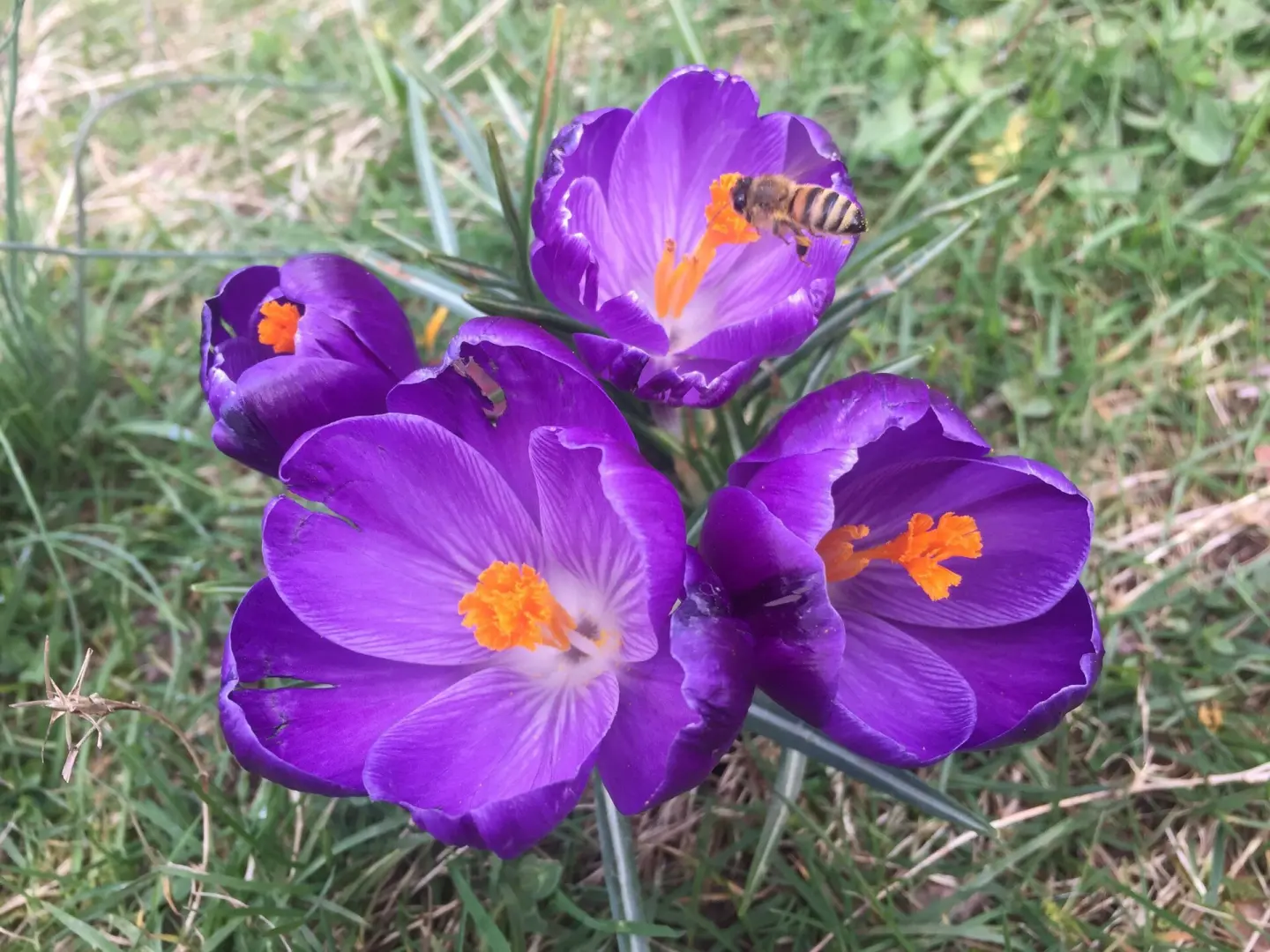
Photo: Generalrelative · CC BY-SA 4.0, via Wikimedia Commons
Essential Care Requirements
Light
Full sun, Partial sun
Watering
Low
Natural rainfall is usually enough; keep dry in summer dormancy.
Soil
Well-drained soil; pH 6.0–7.0.
Temperature and humidity
-30–25 °C · Moderate humidity
Feeding
Feed with a potassium-rich fertilizer after flowering.
Pruning and propagation
Propagate by offsets, seed
Let the leaves die back naturally before mowing.
Spring crocus can cause mild stomach upset in pets. The autumn crocus (Colchicum) is a different plant and is highly toxic.
Top Cultivation Tips
Plant corms in autumn, 8 cm deep, in drifts.
Saffron comes from the autumn-flowering Crocus sativus.
Squirrels may dig up corms; cover with mesh.
Needs a cold winter.
Common problems
Aphids
Small, soft-bodied insects that cluster on new shoots and buds, sucking sap and leaving sticky honeydew behind.
How to treat it →DiseaseRoot rot
Roots decay in waterlogged soil, so the plant wilts and yellows even though the soil is wet.
How to treat it →PestSquirrels
Bushy-tailed rodents that dig up bulbs and seeds, strip bark, and eat fruit, nuts and sweetcorn.
How to treat it →PestVoles
Small rodents that gnaw bark at the base of young trees, eat bulbs and roots, and make runways through grass and mulch.
How to treat it →