English Ivy
Hedera helix
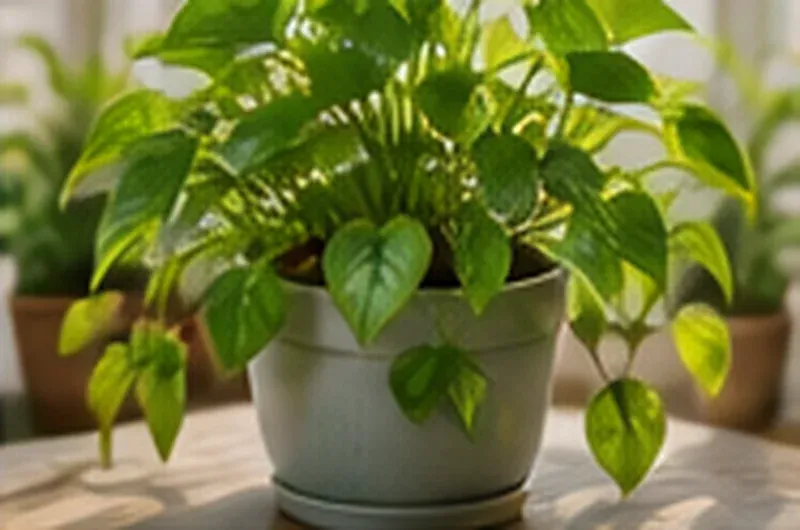
English ivy is an evergreen trailing and climbing plant with lobed leaves in green or variegated forms. Indoors, it suits hanging baskets and shelves in cool, bright rooms; outdoors, it does best in the hills.
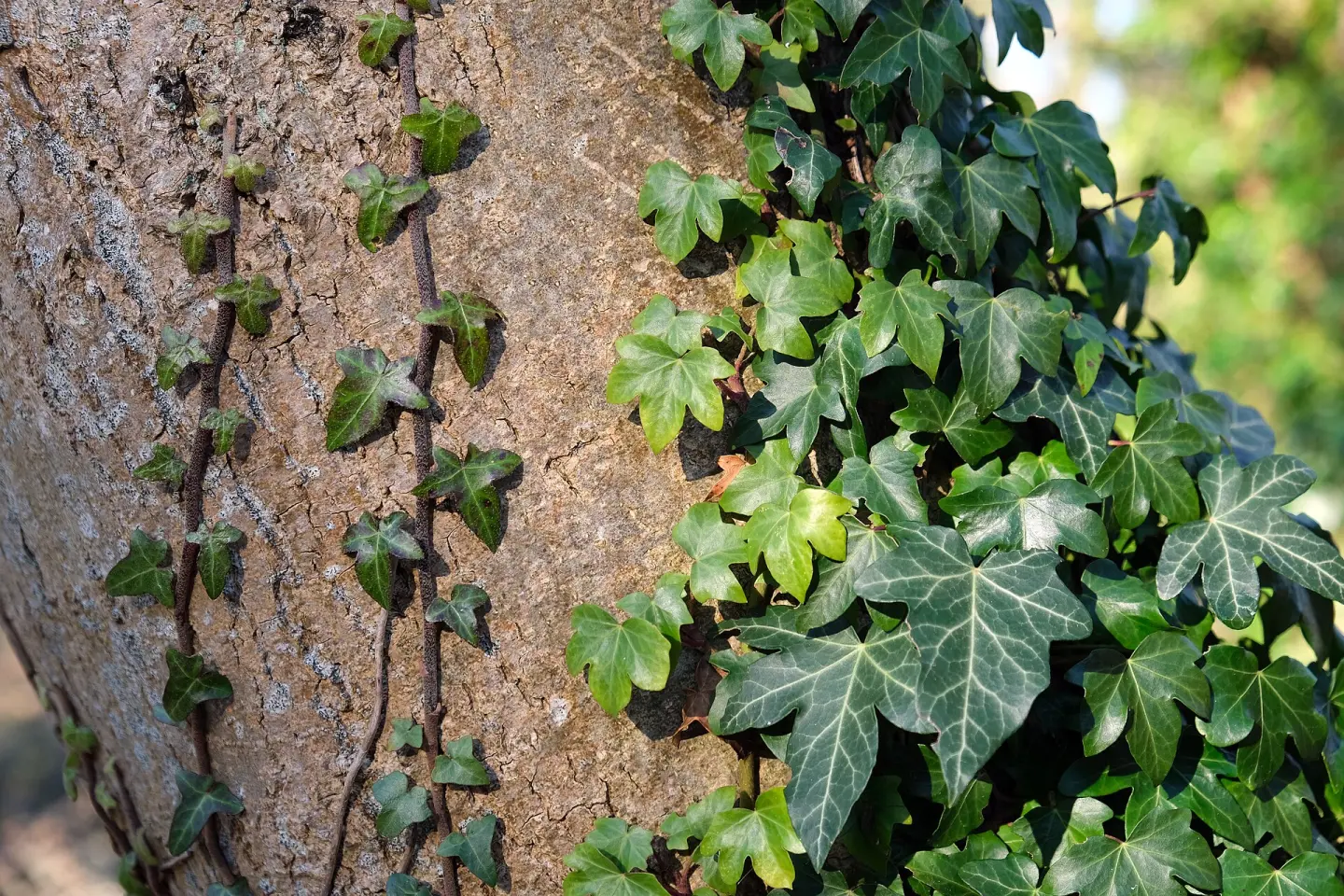
Photo: kallerna · CC BY-SA 4.0, via Wikimedia Commons
Essential Care Requirements
Light
Bright indirect light, Partial sun
Watering
Moderate
Keep the soil lightly moist; let the top dry slightly between waterings.
Soil
Well-drained potting mix; pH 6.0–7.5.
Temperature and humidity
5–28 °C · Moderate humidity
Feeding
Feed monthly in spring and summer.
Pruning and propagation
Propagate by stem cuttings, layering
Trim long trails to encourage bushier growth.
The leaves and berries are toxic if eaten by people and pets, and the sap can irritate skin.
Top Cultivation Tips
Prefers cool rooms; struggles in hot, dry air.
Wash leaves to deter spider mites.
Cuttings root easily in water.
Variegated types need more light.
Common problems
Aphids
Small, soft-bodied insects that cluster on new shoots and buds, sucking sap and leaving sticky honeydew behind.
How to treat it →PestScale insects
Immobile, shell-covered insects that cling to stems and leaves, draining sap and weakening trees and houseplants.
How to treat it →PestSpider mites
Tiny sap-sucking mites that thrive in hot, dry conditions, causing speckled, dull leaves and fine webbing.
How to treat it →