Hellebore
Helleborus × hybridus
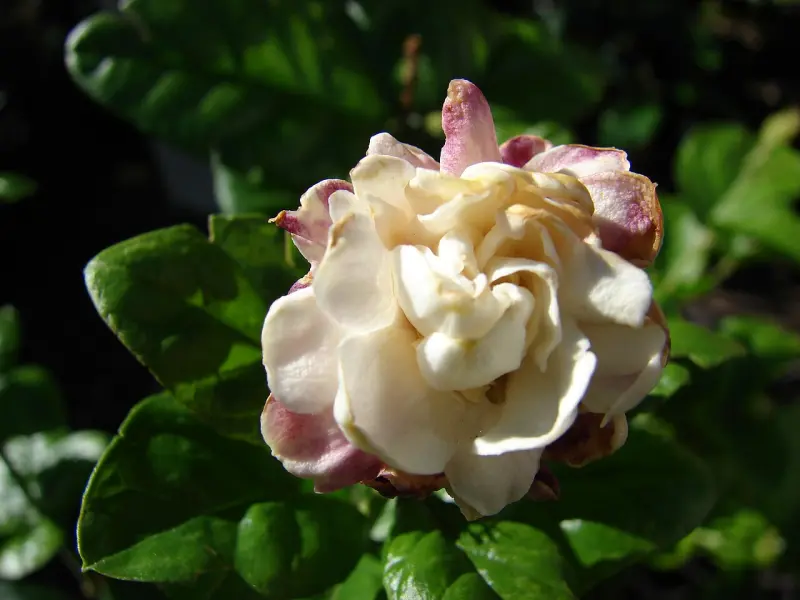
Hellebores are evergreen, shade-tolerant perennials that flower in late winter and early spring, when little else blooms. Their nodding, long-lasting flowers come in white, pink, plum, green and near-black.
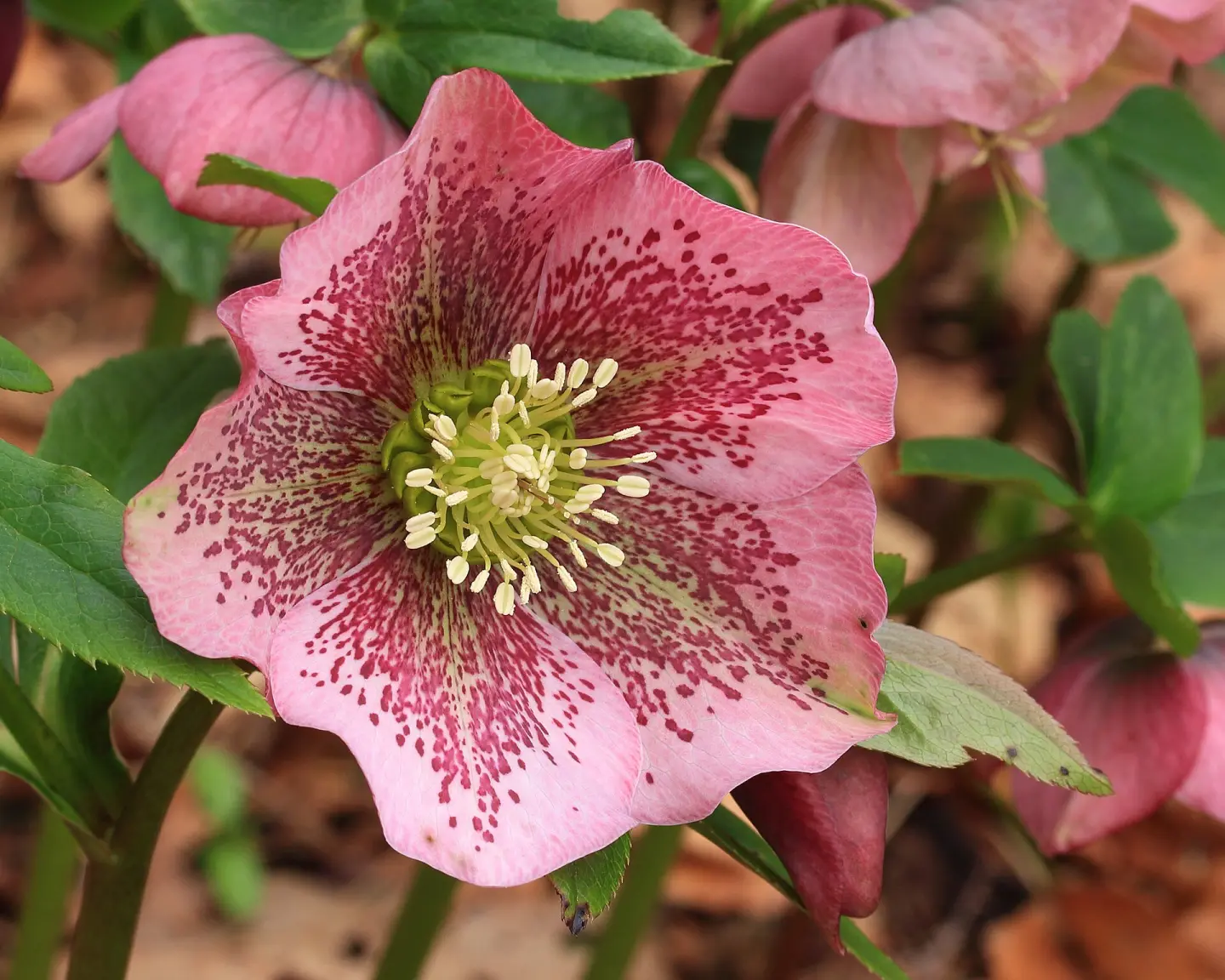
Photo: Dominicus Johannes Bergsma · CC BY-SA 3.0, via Wikimedia Commons
Essential Care Requirements
Light
Partial sun, Low light
Watering
Moderate
Water during dry spells; established plants tolerate dry shade.
Soil
Rich, well-drained soil; pH 6.5–7.5.
Temperature and humidity
-25–30 °C · Moderate humidity
Feeding
Mulch with compost in autumn and feed in spring.
Pruning and propagation
Propagate by division, seed
Cut off old, tatty leaves in late winter to show off the flowers.
All parts are toxic if eaten, and the sap can irritate skin.
Top Cultivation Tips
Plant on a slope to see the nodding flowers.
Seedlings appear around mature plants.
Wear gloves when handling.
Deer and rabbits avoid them.
Common problems
Aphids
Small, soft-bodied insects that cluster on new shoots and buds, sucking sap and leaving sticky honeydew behind.
How to treat it →DiseaseLeaf spot
Fungal or bacterial infections that cause brown, black or purple spots on leaves, often with a yellow halo, leading to early leaf drop.
How to treat it →PestSnails and slugs
Night-feeding molluscs that chew ragged holes in leaves, seedlings and soft stems, especially in wet weather.
How to treat it →