Hyacinth
Hyacinthus orientalis
Hyacinths are spring bulbs with dense spikes of richly fragrant flowers in blue, purple, pink, white and yellow. They are popular in garden beds and for forcing indoors in pots or glasses of water.
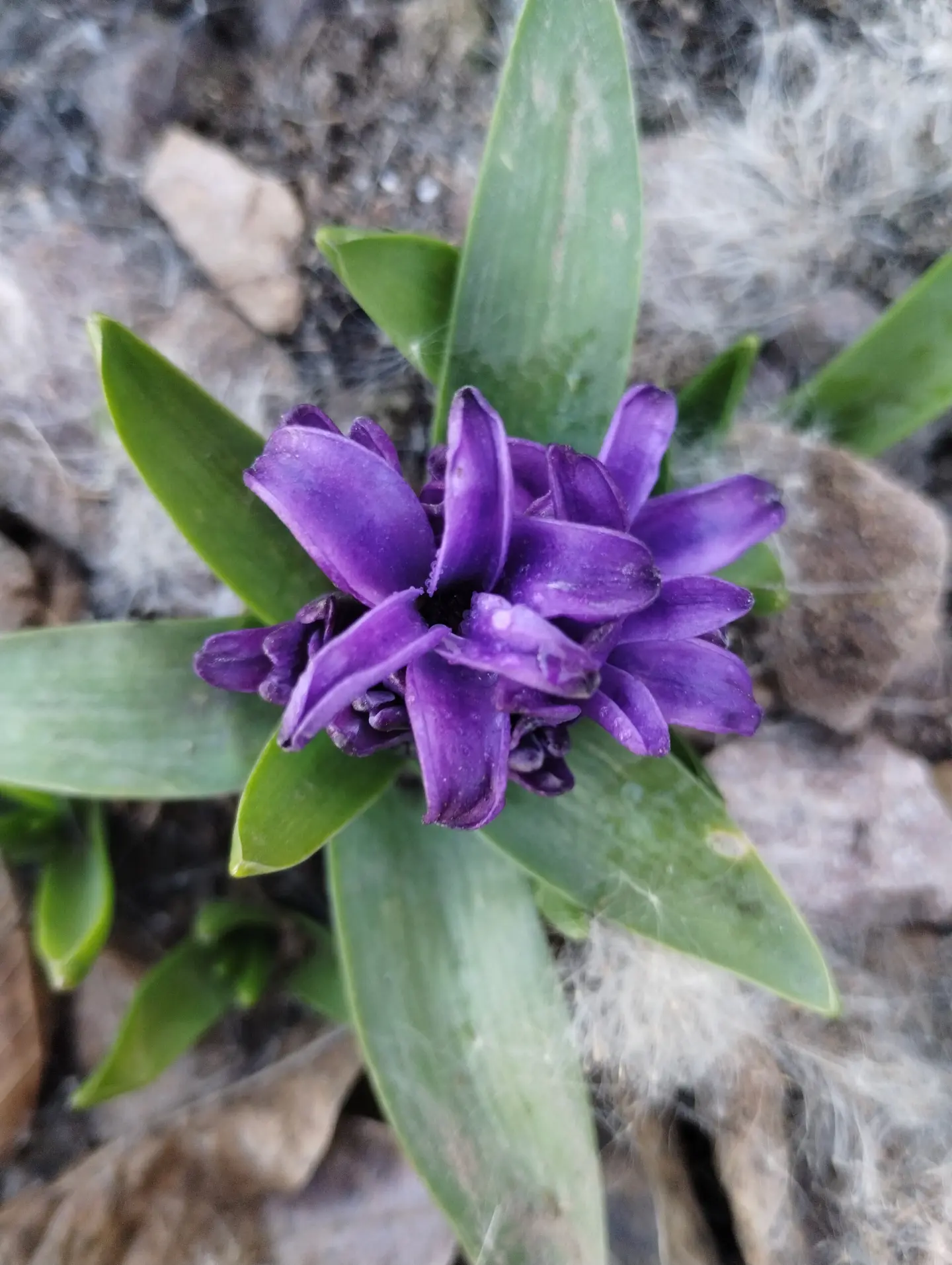
Photo: Plantman · CC BY-SA 4.0, via Wikimedia Commons
Essential Care Requirements
Light
Full sun, Partial sun
Watering
Moderate
Keep moist while growing and flowering; let the soil dry once leaves yellow.
Soil
Well-drained soil; pH 6.0–7.0.
Temperature and humidity
-25–25 °C · Moderate humidity
Feeding
Feed with a bulb fertilizer at planting and after flowering.
Pruning and propagation
Propagate by offsets
Remove spent flower spikes; keep leaves until they fade.
The bulbs are toxic if eaten and can cause skin irritation when handled; wear gloves.
Top Cultivation Tips
Plant in autumn 10–15 cm deep.
For indoor forcing, chill bulbs for 10–12 weeks.
Stake heavy flower spikes.
Flowers are smaller in later years.
Common problems
Grey mould
A fungal rot that covers flowers, fruit and soft stems with fuzzy grey mould in cool, damp conditions.
How to treat it →DiseaseRoot rot
Roots decay in waterlogged soil, so the plant wilts and yellows even though the soil is wet.
How to treat it →PestSquirrels
Bushy-tailed rodents that dig up bulbs and seeds, strip bark, and eat fruit, nuts and sweetcorn.
How to treat it →PestVoles
Small rodents that gnaw bark at the base of young trees, eat bulbs and roots, and make runways through grass and mulch.
How to treat it →