Hydrangea
Hydrangea macrophylla
Hydrangeas are deciduous shrubs with large, rounded heads of blue, pink or white flowers in summer. Flower colour on many varieties depends on the soil: acidic soil gives blue, alkaline soil gives pink. They grow best in cool, moist hill climates.
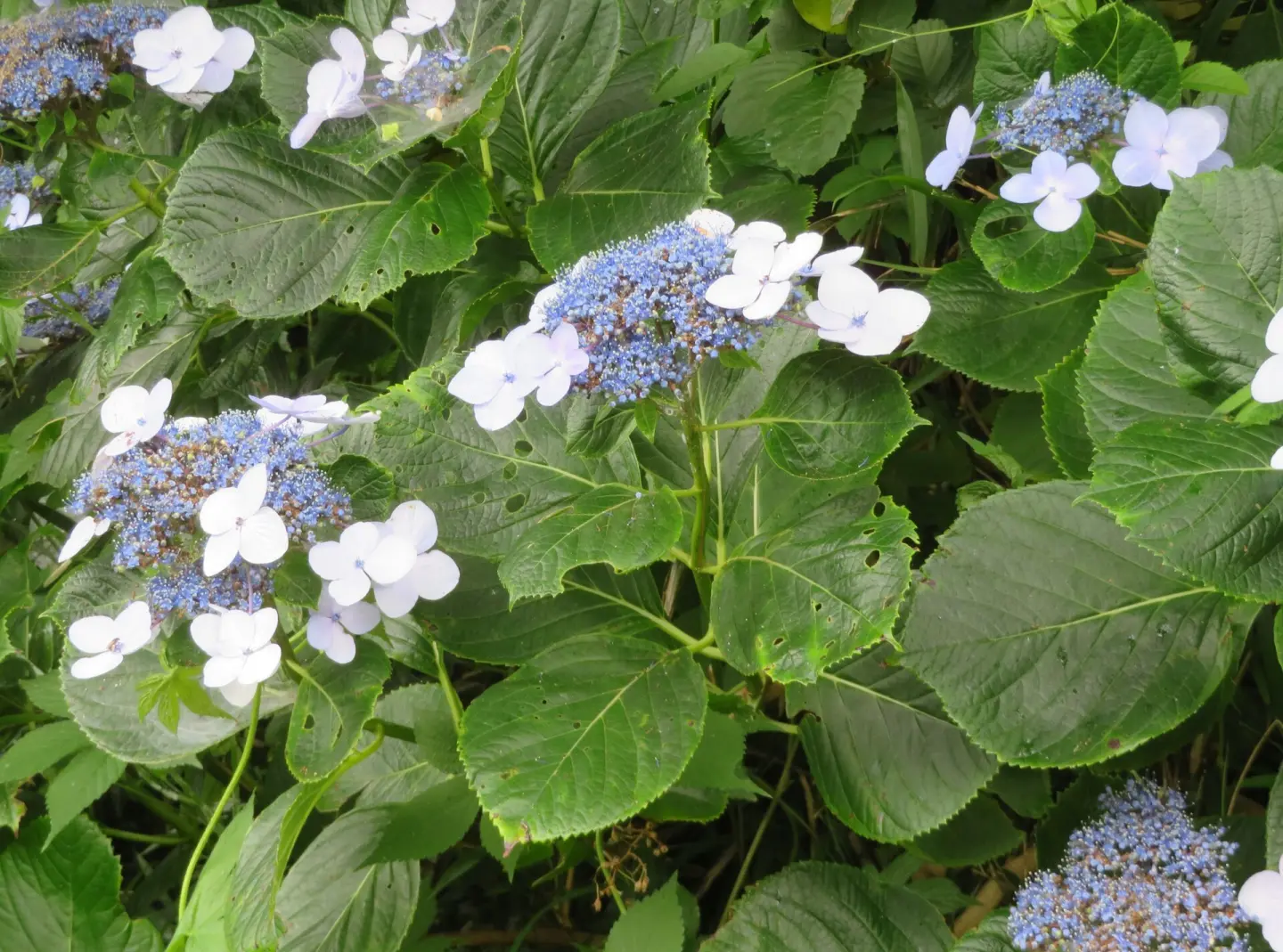
Photo: belvedere04 · CC BY 4.0, via Wikimedia Commons
Essential Care Requirements
Light
Partial sun
Watering
High
Keep the soil consistently moist; hydrangeas wilt quickly in heat and dry soil.
Soil
Rich, moist, well-drained soil; pH 5.0–6.0 for blue, 6.5–7.0 for pink.
Temperature and humidity
-5–30 °C · High humidity
Feeding
Feed in spring with a balanced fertilizer; add aluminium sulphate to keep blue colour, or garden lime for pink.
Pruning and propagation
Propagate by stem cuttings, layering
Remove faded flower heads after flowering. Most bigleaf types flower on last year's stems, so avoid hard pruning.
The leaves, buds and flowers are mildly toxic if eaten by people or pets.
Top Cultivation Tips
Grow in morning sun and afternoon shade.
In the plains, grow in pots and keep shaded in summer.
Mulch to keep roots cool.
Dried flower heads keep their colour.
Common problems
Cercospora leaf spot
A fungal leaf disease that causes round grey spots with reddish-purple borders on beetroot, chard, spinach and many ornamentals.
How to treat it →DiseaseIron chlorosis
Young leaves turn yellow while the veins stay green, usually because alkaline soil stops the plant taking up iron.
How to treat it →DiseaseLeaf scorch
Brown, dry, crisp edges and patches on leaves, usually caused by too little water reaching the leaves in hot, windy or dry weather.
How to treat it →DiseaseLeaf spot
Fungal or bacterial infections that cause brown, black or purple spots on leaves, often with a yellow halo, leading to early leaf drop.
How to treat it →DiseasePowdery mildew
A fungal disease that coats leaves, buds and young shoots with a white, flour-like dust, weakening the plant and spoiling flowers and fruit.
How to treat it →DiseaseSalt damage
Leaf burn and stunted growth caused by too much salt in the soil or water, from sea spray, road salt, hard water or heavy fertiliser use.
How to treat it →DiseaseStem canker
Sunken, dead patches of bark on stems and branches caused by fungi or bacteria, which can girdle and kill the shoot above them.
How to treat it →DiseaseWilting plants
Leaves and stems that droop, caused by too little water, too much water, heat or root and stem diseases.
How to treat it →