Lady Palm
Rhapis excelsa
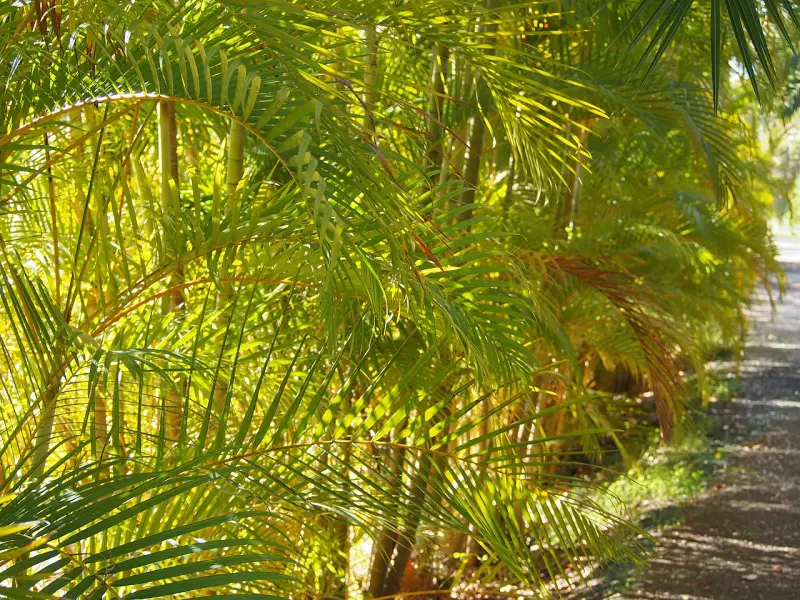
The lady palm forms clumps of slender, bamboo-like stems topped with fans of glossy, finger-like leaflets. It is elegant, slow-growing and tolerant of indoor conditions and shade.
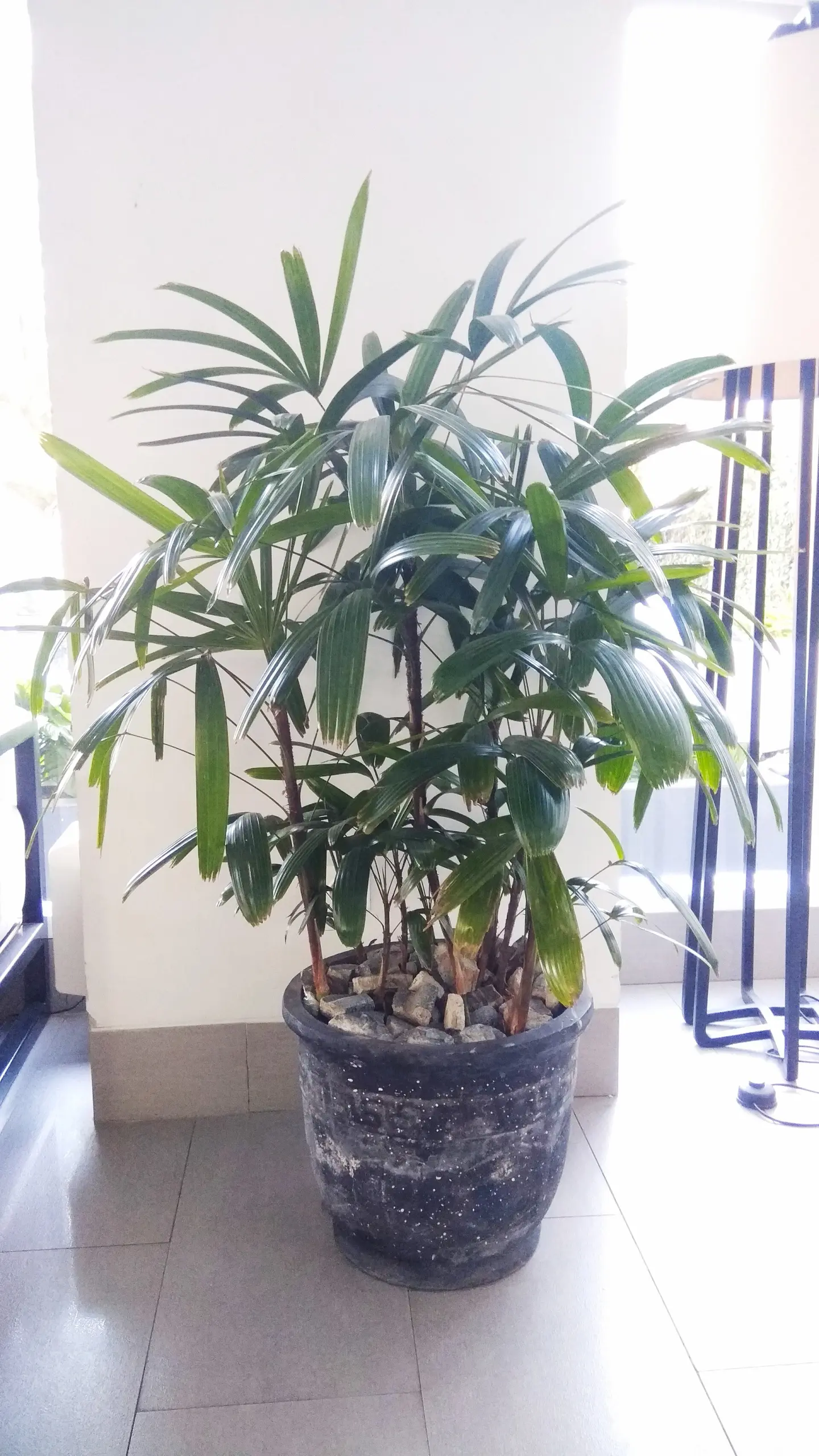
Photo: Aris riyanto · CC BY-SA 4.0, via Wikimedia Commons
Essential Care Requirements
Light
Bright indirect light, Low light, Partial sun
Watering
Moderate
Keep the soil lightly moist; let the top dry slightly between waterings.
Soil
Rich, well-drained potting mix; pH 6.0–7.0.
Temperature and humidity
5–32 °C · Moderate humidity
Feeding
Feed every two months in spring and summer with a diluted fertilizer.
Pruning and propagation
Propagate by division, seed
Remove dead stems and brown leaves.
Lady palm is not toxic to people, cats or dogs.
Top Cultivation Tips
Divide large clumps to make new plants.
Good for shaded verandas.
Wipe leaves to remove dust.
Tolerates cooler rooms.
Common problems
Root rot
Roots decay in waterlogged soil, so the plant wilts and yellows even though the soil is wet.
How to treat it →PestScale insects
Immobile, shell-covered insects that cling to stems and leaves, draining sap and weakening trees and houseplants.
How to treat it →PestSpider mites
Tiny sap-sucking mites that thrive in hot, dry conditions, causing speckled, dull leaves and fine webbing.
How to treat it →