Michaelmas Daisy
Symphyotrichum novae-angliae and S. novi-belgii
These asters bring masses of purple, pink, blue and white daisies to late-season borders, flowering into fall when little else does. They are important late food for bees and butterflies.
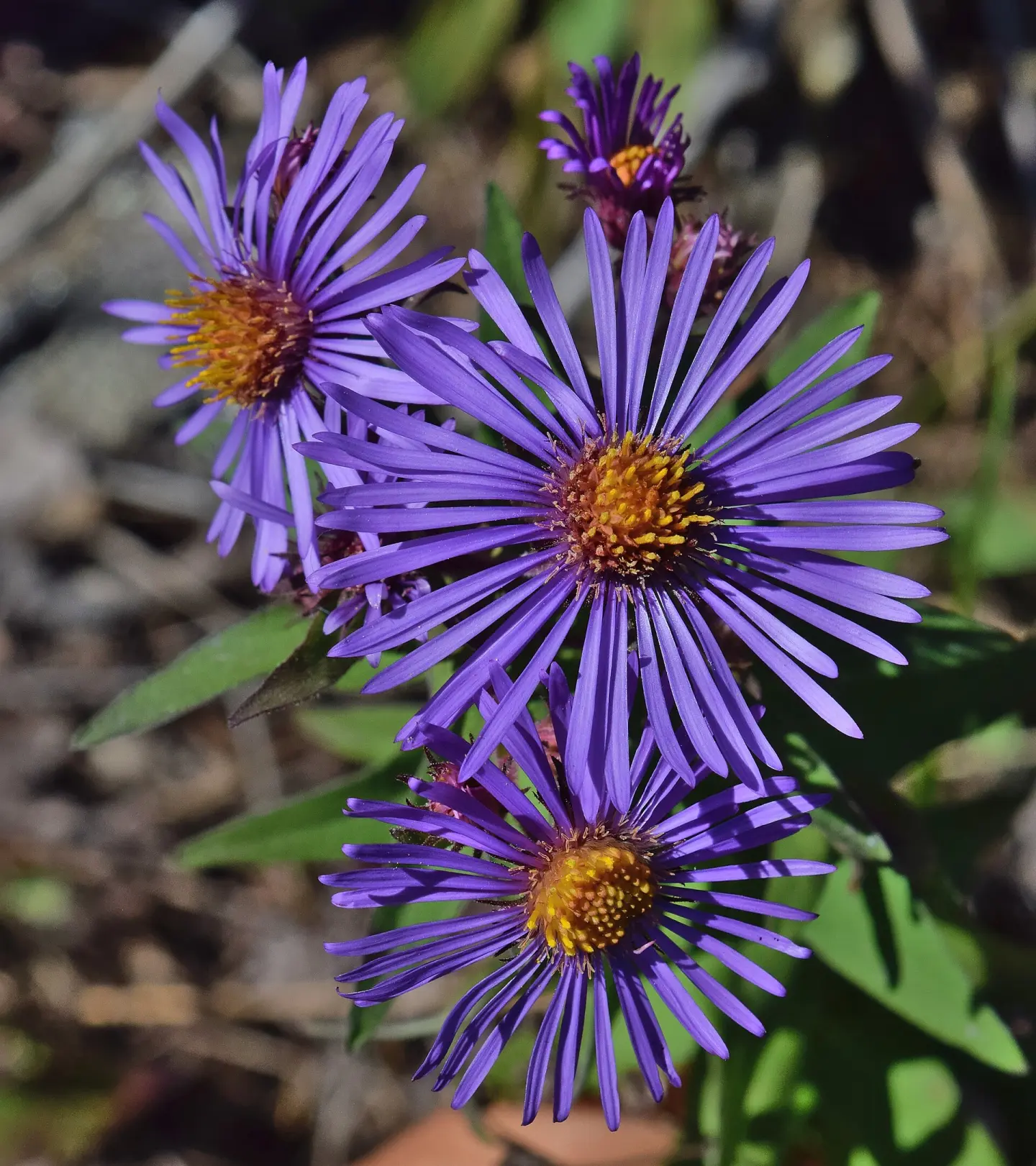
Photo: The Cosmonaut · CC BY-SA 2.5 ca, via Wikimedia Commons
Essential Care Requirements
Light
Full sun
Watering
Moderate
Keep moist in summer; dry roots encourage mildew.
Soil
Moist, fertile soil; pH 6.0–7.5.
Temperature and humidity
-35–32 °C · Moderate humidity
Feeding
Feed lightly in spring.
Pruning and propagation
Propagate by division, stem cuttings
Pinch or give a "Chelsea chop" in late spring for bushier plants; cut down after flowering.
These asters are not toxic.
Top Cultivation Tips
New England asters resist mildew better.
Stake tall varieties.
Divide every 2–3 years.
Hardy in USDA zones 3–8.
Common problems
Aphids
Small, soft-bodied insects that cluster on new shoots and buds, sucking sap and leaving sticky honeydew behind.
How to treat it →DiseaseLeaf spot
Fungal or bacterial infections that cause brown, black or purple spots on leaves, often with a yellow halo, leading to early leaf drop.
How to treat it →DiseasePowdery mildew
A fungal disease that coats leaves, buds and young shoots with a white, flour-like dust, weakening the plant and spoiling flowers and fruit.
How to treat it →