Ponytail Palm
Beaucarnea recurvata
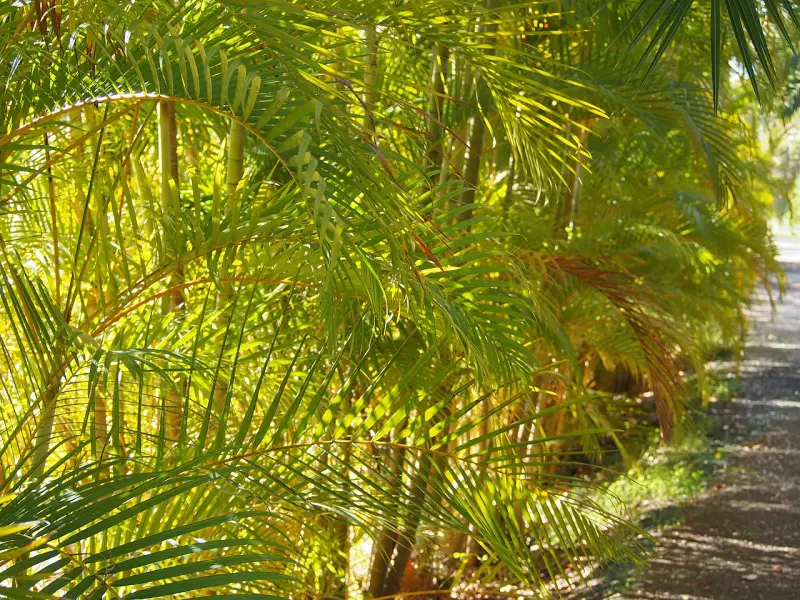
The ponytail palm is not a true palm but a succulent with a swollen, water-storing base and a fountain of long, narrow leaves. It needs very little water and makes a striking, slow-growing plant for a bright room or balcony.
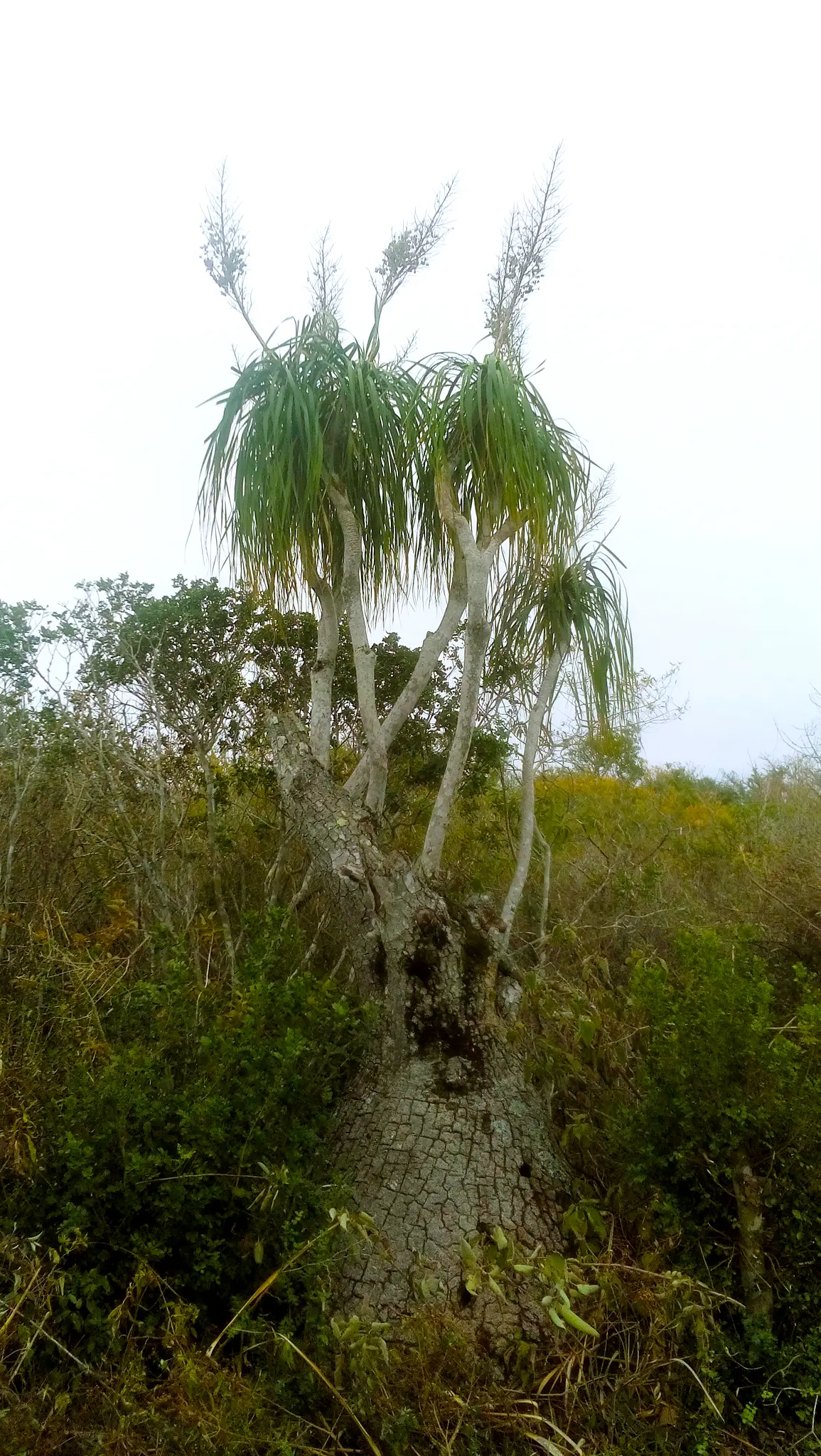
Photo: tereso30 · CC BY 4.0, via Wikimedia Commons
Essential Care Requirements
Light
Full sun, Bright indirect light
Watering
Low
Water deeply only when the soil is completely dry; every two to four weeks is usually enough.
Soil
Gritty cactus mix with good drainage; pH 6.0–7.5.
Temperature and humidity
7–40 °C · Low humidity
Feeding
Feed two or three times a year with a diluted fertilizer.
Pruning and propagation
Propagate by seed, offsets
Trim brown leaf tips with clean scissors.
Ponytail palm is not toxic to people, cats or dogs.
Top Cultivation Tips
Use a heavy, shallow pot to keep it stable.
Repot only every few years.
A soft base means overwatering.
Give as much light as possible.
Common problems
Root rot
Roots decay in waterlogged soil, so the plant wilts and yellows even though the soil is wet.
How to treat it →PestScale insects
Immobile, shell-covered insects that cling to stems and leaves, draining sap and weakening trees and houseplants.
How to treat it →PestSpider mites
Tiny sap-sucking mites that thrive in hot, dry conditions, causing speckled, dull leaves and fine webbing.
How to treat it →