Salvia Nemorosa
Salvia nemorosa and S. × sylvestris
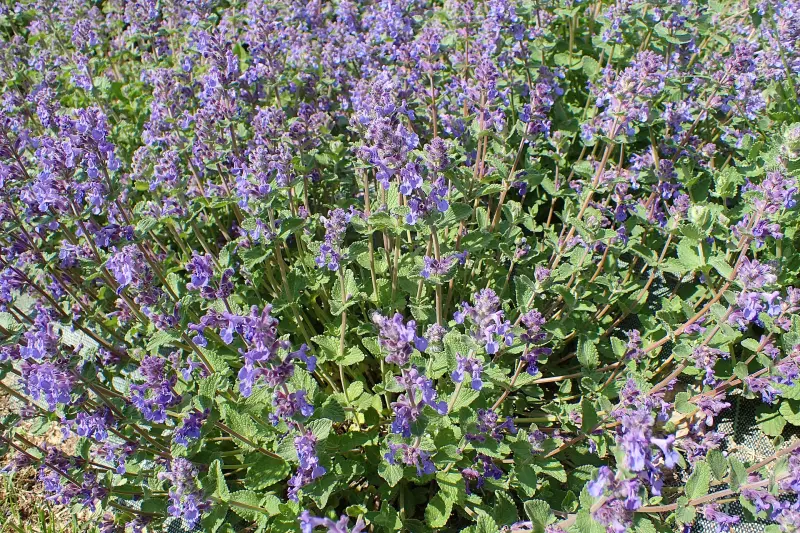
Perennial salvias such as 'Caradonna' and 'May Night' produce upright spikes of violet-blue flowers from early summer, and again if cut back. They are drought-tolerant, loved by bees, and a staple of US and UK borders.
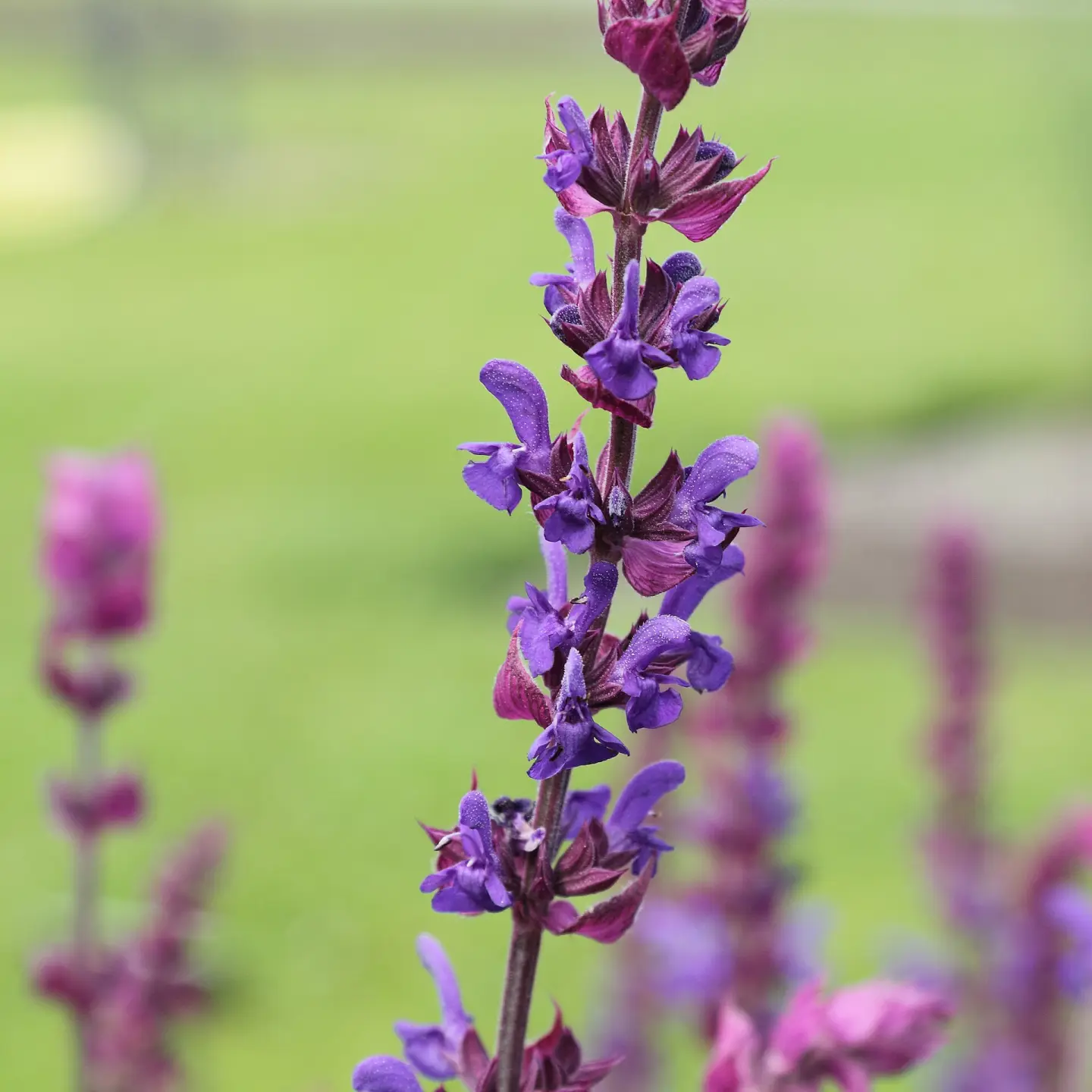
Photo: C T Johansson · CC BY-SA 3.0, via Wikimedia Commons
Essential Care Requirements
Light
Full sun
Watering
Low
Water until established; afterwards only in long dry spells.
Soil
Well-drained, average soil; pH 6.0–8.0.
Temperature and humidity
-30–35 °C · Low humidity
Feeding
Little feeding needed.
Pruning and propagation
Propagate by division, stem cuttings
Shear back faded spikes for a second flush; cut to the ground in late winter. Hardy in USDA zones 4–8.
Perennial salvias are not toxic.
Top Cultivation Tips
Pair with roses and ornamental grasses.
Deer and rabbits usually avoid it.
Divide clumps every 3–4 years.
Excellent for pollinator borders.
Common problems
Powdery mildew
A fungal disease that coats leaves, buds and young shoots with a white, flour-like dust, weakening the plant and spoiling flowers and fruit.
How to treat it →DiseaseRoot rot
Roots decay in waterlogged soil, so the plant wilts and yellows even though the soil is wet.
How to treat it →