Shatavari
Asparagus racemosus
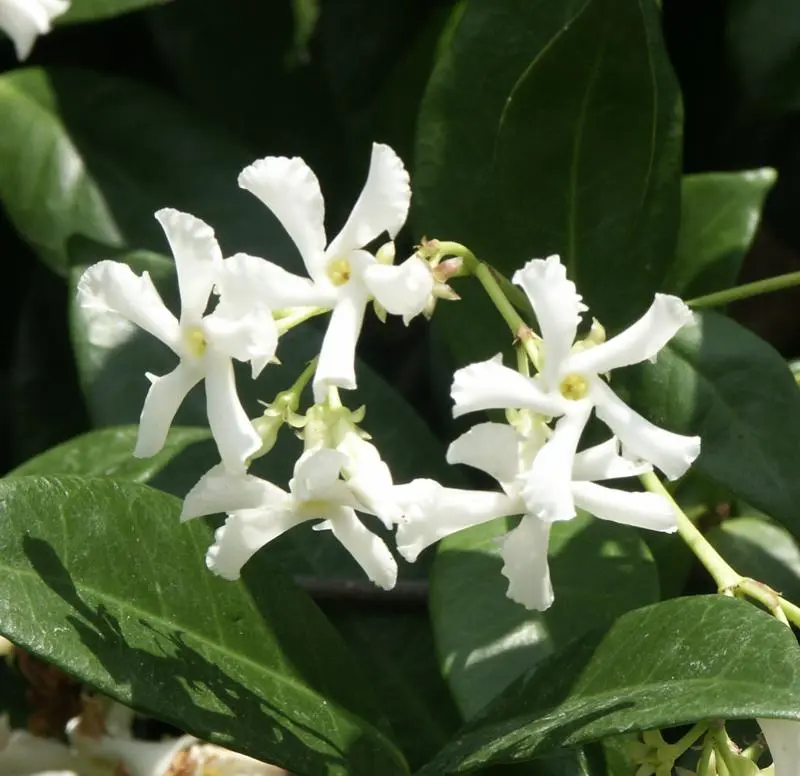
Shatavari is a spiny, feathery climber with clusters of thick, tuberous roots that are used in traditional medicine. In the garden it forms a graceful, arching, evergreen plant with tiny, sweetly scented white flowers.
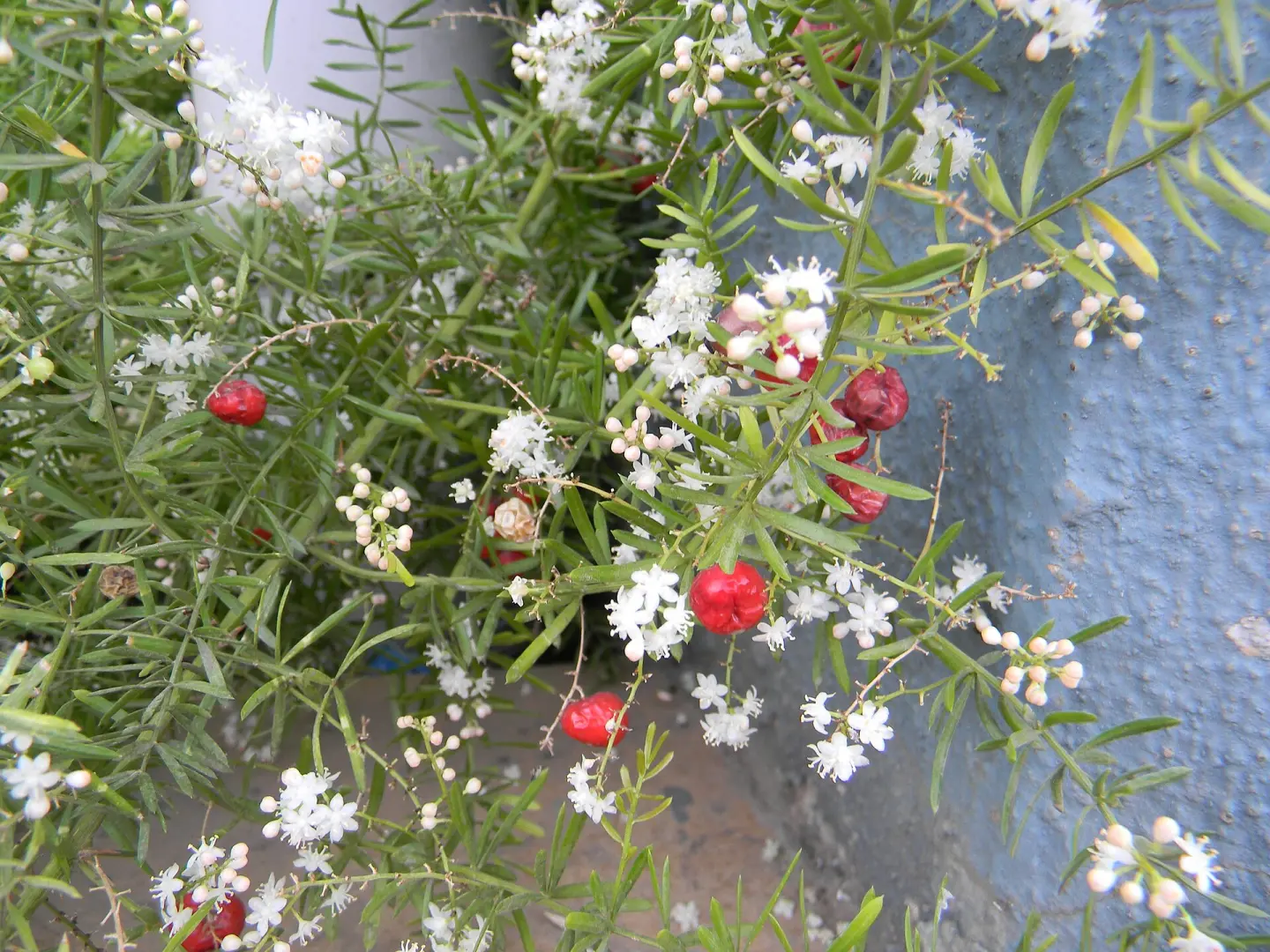
Photo: Neha.Vindhya · CC BY-SA 3.0, via Wikimedia Commons
Essential Care Requirements
Light
Full sun, Partial sun
Watering
Low
Water when the top few centimetres of soil are dry. It tolerates drought once its tuberous roots are established, but resents wet soil.
Soil
Loose, sandy loam or a gritty potting mix with good drainage; pH 6.0 to 7.5.
Temperature and humidity
8–38 °C · Moderate humidity
Feeding
Mix compost into the soil at planting and feed lightly at the start of the rains.
Pruning and propagation
Propagate by seed, division
Cut out old and dead stems at the base every year and trim lightly to control spread. Wear gloves, as the stems have thorns.
The roots are used in traditional medicine, but ask a qualified practitioner before using them. The berries are mildly toxic to pets.
Top Cultivation Tips
Give it a trellis or fence to climb.
Wait until plants are at least two years old before taking roots.
Grow in a large pot or deep bed to give the roots room.
Soak seeds overnight to speed germination.
Common problems
Aphids
Small, soft-bodied insects that cluster on new shoots and buds, sucking sap and leaving sticky honeydew behind.
How to treat it →PestMealybugs
White, cottony insects that hide in leaf joints and under leaves, weakening plants and spreading easily to neighbours.
How to treat it →DiseaseRoot rot
Roots decay in waterlogged soil, so the plant wilts and yellows even though the soil is wet.
How to treat it →PestSpider mites
Tiny sap-sucking mites that thrive in hot, dry conditions, causing speckled, dull leaves and fine webbing.
How to treat it →