Wisteria
Wisteria sinensis and W. floribunda
Wisteria is a long-lived, woody climber famous for its cascading clusters of fragrant lilac, blue, pink or white flowers in spring. It needs a very strong support and regular pruning to flower well.
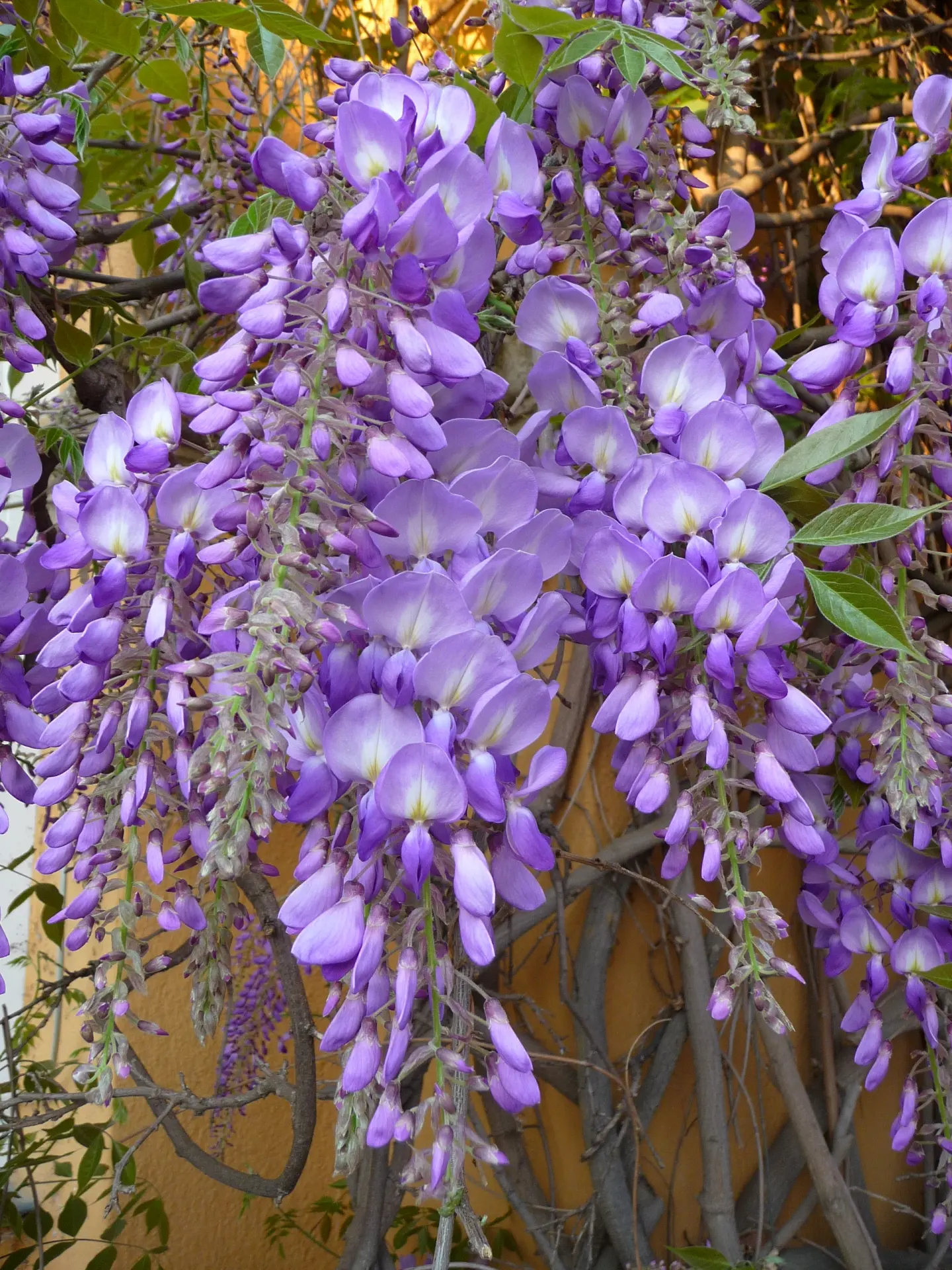
Photo: 3268zauber · CC BY-SA 3.0, via Wikimedia Commons
Essential Care Requirements
Light
Full sun
Watering
Moderate
Water young plants regularly; established vines are fairly drought tolerant.
Soil
Fertile, well-drained soil; pH 6.0–7.0.
Temperature and humidity
-25–35 °C · Moderate humidity
Feeding
Feed with a potassium-rich fertilizer in spring; avoid nitrogen, which gives leaves instead of flowers.
Pruning and propagation
Propagate by layering, grafting, stem cuttings
Prune twice a year: shorten long whippy shoots in summer, then cut them back to two or three buds in winter.
The seeds and pods are toxic and can cause severe vomiting, especially in children and dogs.
Top Cultivation Tips
Buy grafted plants; seedlings can take 15 years to flower.
Train on a sturdy pergola, not a fence.
Keep away from gutters and drains.
Remove pods where children play.
Common problems
Aphids
Small, soft-bodied insects that cluster on new shoots and buds, sucking sap and leaving sticky honeydew behind.
How to treat it →DiseasePowdery mildew
A fungal disease that coats leaves, buds and young shoots with a white, flour-like dust, weakening the plant and spoiling flowers and fruit.
How to treat it →PestScale insects
Immobile, shell-covered insects that cling to stems and leaves, draining sap and weakening trees and houseplants.
How to treat it →