15 of the best plants for bees and butterflies in US and UK gardens
A pollinator garden is easy to make and beautiful to look at. These 15 reliable plants feed bees, butterflies and hoverflies from spring to fall.
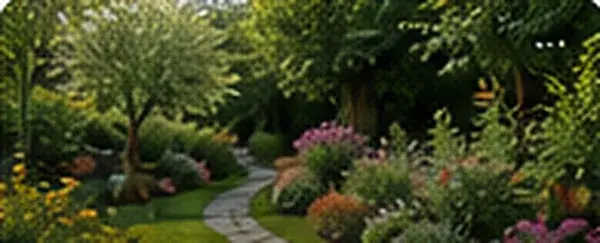
Bees, butterflies, moths and hoverflies pollinate many of the fruits and vegetables we eat, and they are in decline in both North America and Britain. The good news is that gardens make a real difference. Even a few pots on a patio can provide food all season. These 15 plants are reliable, easy to grow and well loved by pollinators.
Spring and early summer
1. Lupins. Tall spires of pea-like flowers in early summer are a magnet for bumblebees. Lupins like sun and well-drained, slightly acidic soil.
2. Foxgloves. Bumblebees climb right inside the bell-shaped flowers. Foxgloves thrive in partial shade and seed themselves around. (All parts are toxic if eaten.)
3. Catmint. Catmint flowers for months, from late spring onward, with soft lavender-blue spikes. Cut it back after the first flush for a second round.
4. Woodland sage. Salvia nemorosa has upright violet spikes that bees adore. Deadhead it to keep it blooming into late summer.
5. Columbine. The spurred flowers of columbine feed early bumblebees and, in North America, hummingbirds.
High summer
6. Bee balm. As the name suggests, bee balm (bergamot) is a favorite of bees, butterflies and hummingbirds. It is native to North America and loves moist soil.
7. Coneflower. Coneflowers (Echinacea) are drought-tolerant, long-flowering and loved by butterflies. Leave the seed heads in fall for goldfinches.
8. Black-eyed Susan. Cheerful and tough, black-eyed Susans flower from midsummer to fall and attract a wide range of insects.
9. Coreopsis. Coreopsis produces masses of yellow daisies for months and copes with poor, dry soil.
10. Yarrow. The flat flower heads of yarrow make perfect landing pads for hoverflies and small bees, whose larvae eat aphids.
11. Garden phlox. Fragrant garden phlox feeds butterflies and moths on summer evenings. Choose mildew-resistant varieties.
12. Lamb's ear. Woolly-leaved lamb's ear has small purple flowers that wool carder bees love.
13. Butterfly bush. Butterfly bush (buddleia) lives up to its name. Choose compact, sterile varieties, as the species can spread into the wild in some regions.
Late summer and fall
14. Russian sage. Airy blue Russian sage flowers from late summer into fall and thrives in hot, dry spots.
15. Michaelmas daisy. Michaelmas daisies (asters) are one of the most important late food sources for bees and butterflies before winter.
How to plant for pollinators
- Plant in groups. Clumps of three to five of the same plant are easier for insects to find than single plants dotted around.
- Aim for flowers from spring to fall. Include early bulbs such as crocus and late flowers such as asters so there is always something in bloom.
- Choose simple flowers. Single, open flowers are easier for insects to reach than heavily double blooms.
- Go easy on pesticides. Even organic sprays can harm bees. Accept a few nibbled leaves.
- Provide water and shelter. A shallow dish of water with stones to land on, a patch of long grass and a pile of logs make a big difference.
- Leave stems standing over winter. Many native bees nest in hollow stems.
Fall is a great time to plant perennials, as warm soil helps roots establish before winter. Find more jobs for the month in our fall garden checklist.
Related Topics

Zara Ahmed
VerifiedFrom overgrown to organized, one visit at a time.
Comments & Discussion (0)
Share your tips, experiences, or ask questions about this guide.
Loading comments...